
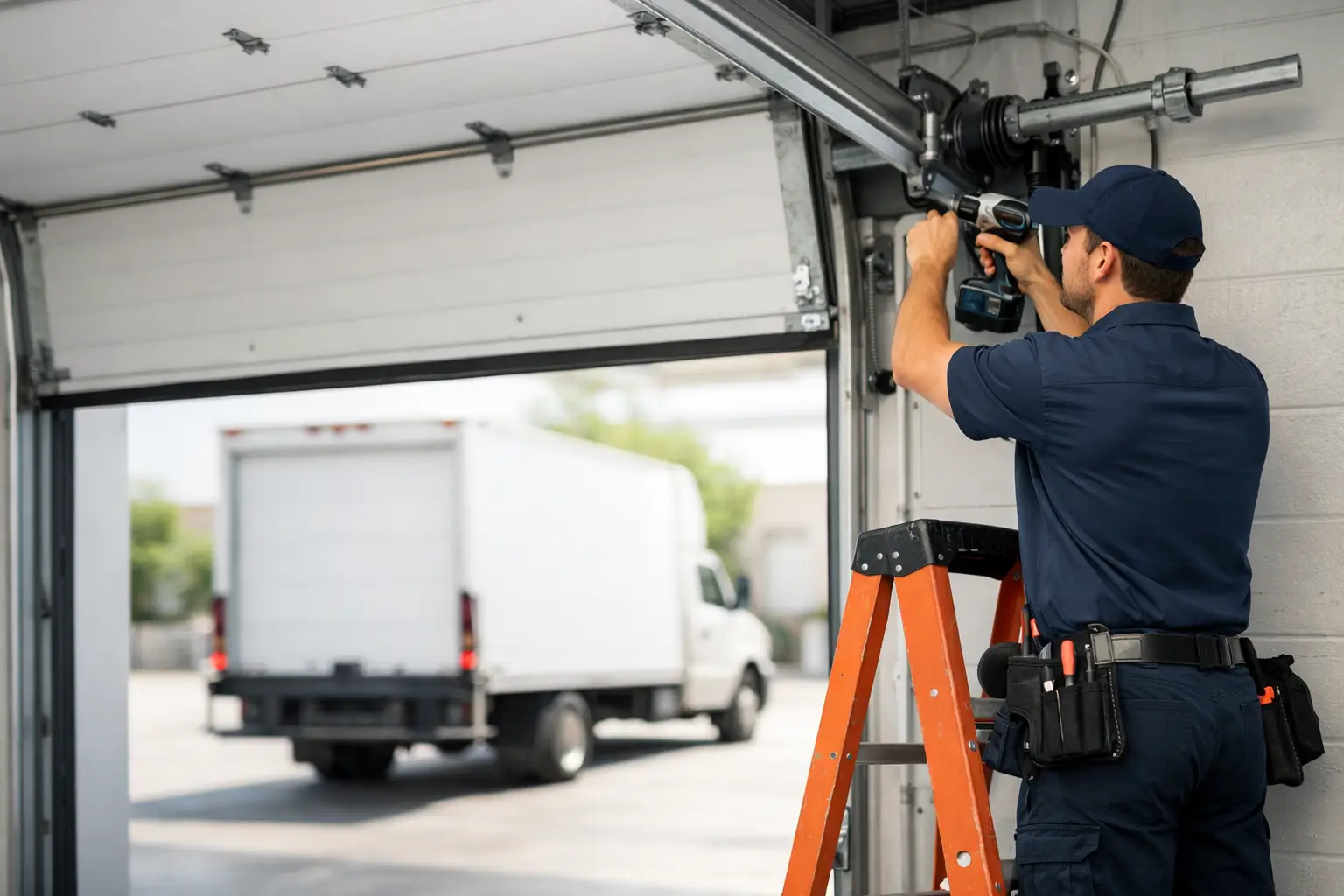
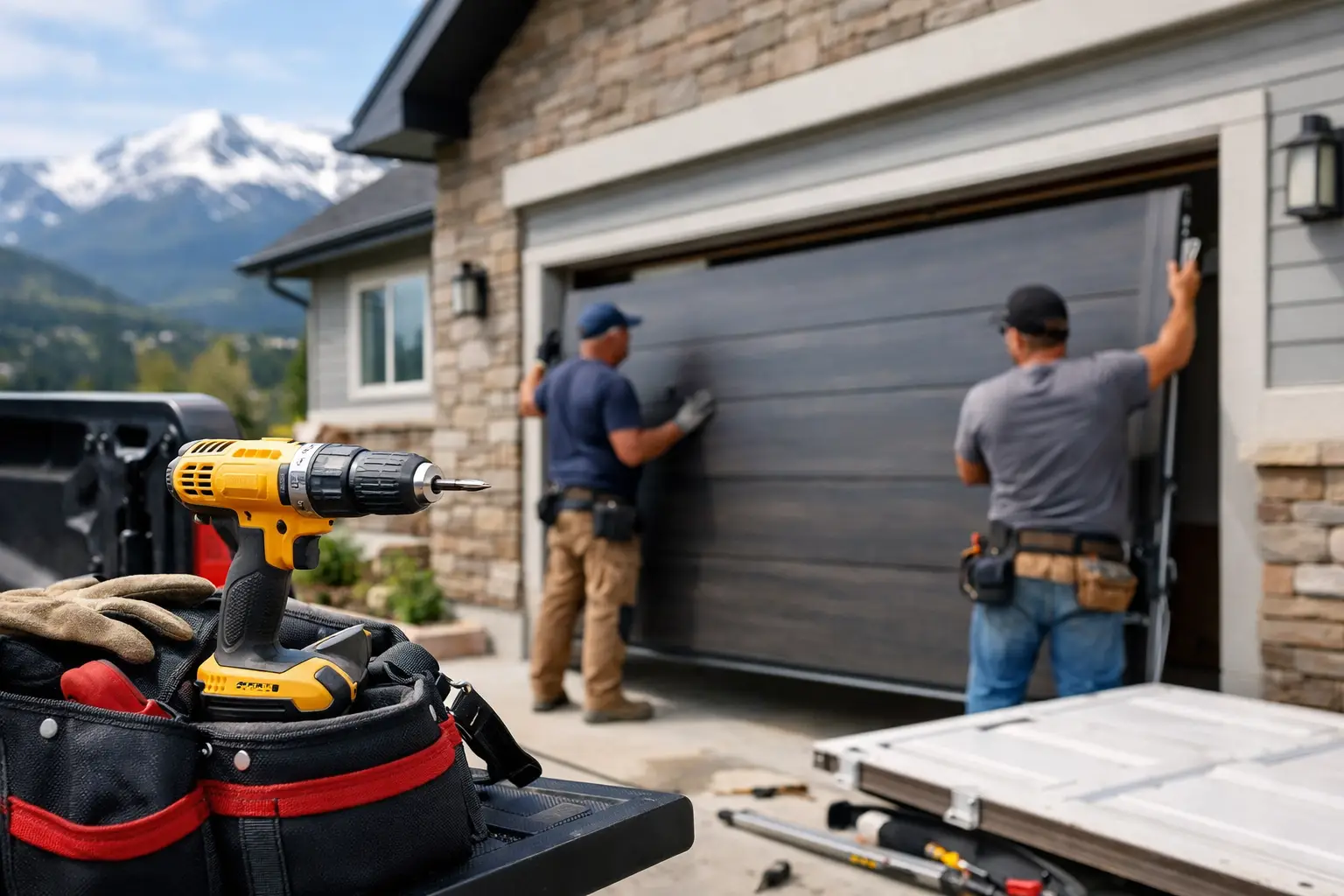
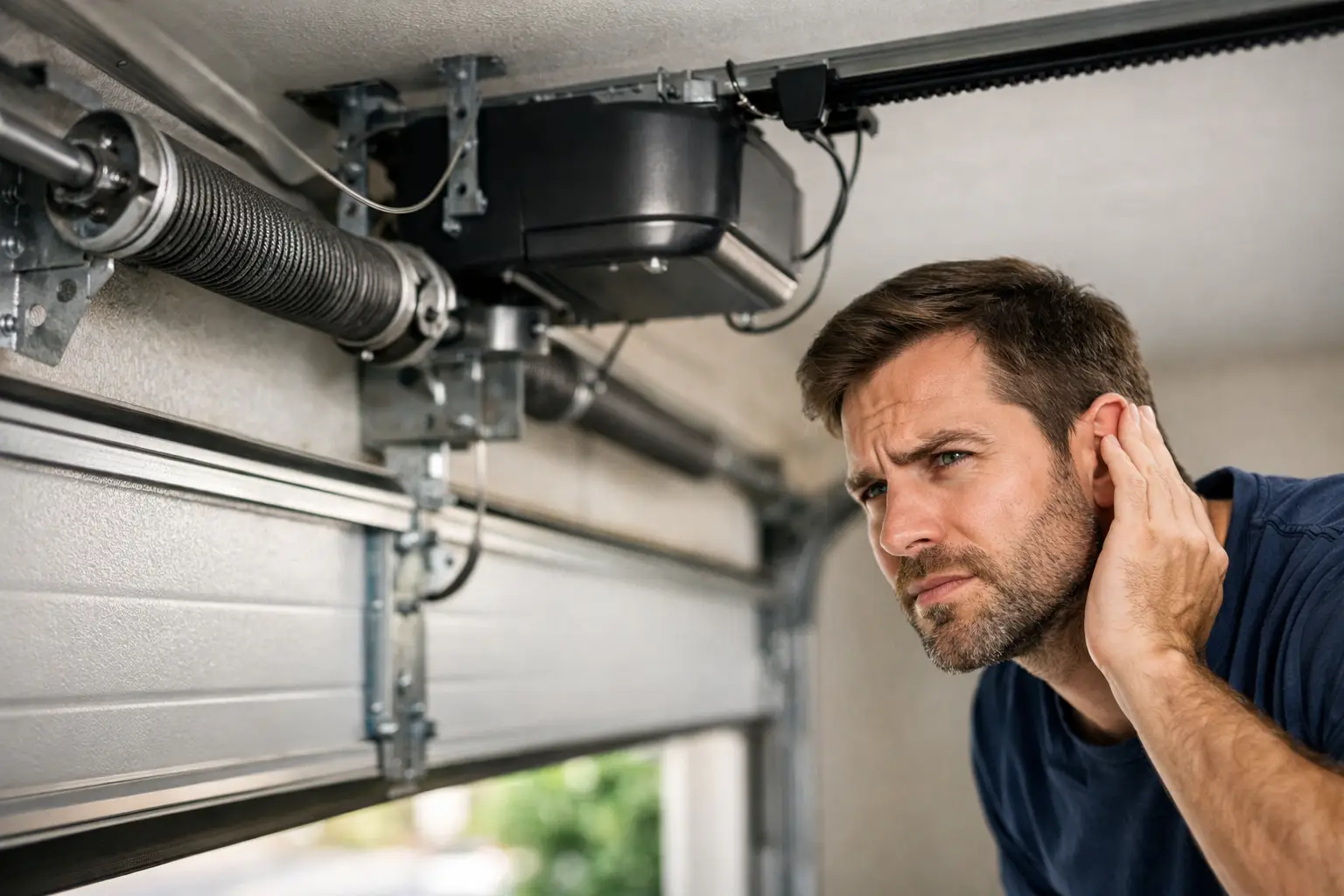
A commercial overhead door that stops halfway open is more than an inconvenience. It can delay deliveries, leave inventory exposed, trap equipment inside, or create a safety problem for employees and customers. The best commercial door operators are the ones sized correctly for the door, the traffic your building handles, and the work happening around it.
For a small auto shop, that may mean a dependable medium-duty operator with simple controls. For a warehouse, farm facility, or busy service bay, it may mean a high-cycle gearhead operator built to lift a heavy door hundreds of times a day. Buying on price alone often leads to the same result: a motor that works for a while, then becomes the reason your door is down.
What Makes a Commercial Door Operator the Right One?
The operator is the powered unit that raises and lowers your overhead, sectional, rolling steel, or high-lift door. It needs to match the door's weight, height, track setup, spring system, and usage level. A strong motor does not fix a poorly balanced door, worn springs, damaged cables, or binding tracks. In fact, those problems can wear out even a good operator faster than expected.
Start with the door itself. A lightweight sectional door at a small business has very different needs than an insulated 16-foot door at a loading area. Rolling steel doors, fire doors, and doors with specialized tracks also require operators and controls designed for that application.
Usage matters just as much. If a door opens six times per day, a standard commercial-duty unit may be a sensible fit. If it opens 50, 100, or more times each day, you need to focus on cycle rating, motor duty cycle, gearing, and serviceability. This is where a higher upfront investment can save money. Downtime during a busy shift costs more than the difference between a light-duty and high-cycle operator.
The Best Commercial Door Operators by Application
There is no single operator that is best for every business. The right choice depends on how your door is built and how hard it works.
Trolley Operators for Standard Sectional Doors
Trolley operators are a familiar choice for standard-lift sectional overhead doors. The operator mounts above the door and moves it through a rail system. They are often a practical option for small warehouses, maintenance buildings, auto shops, and commercial spaces with moderate daily use.
A trolley operator can be dependable and cost-effective when the ceiling has enough room and the door is properly balanced. The trade-off is that it may not be the best fit for high-lift tracks, low headroom conditions, or doors that run constantly throughout the day.
Jackshaft and Hoist Operators for Tight Spaces
Jackshaft and hoist operators mount beside the door rather than overhead. This can preserve ceiling space for lights, lifts, storage, sprinklers, or ductwork. They are commonly used on sectional doors with higher tracks, vertical-lift configurations, and commercial doors where a trolley rail would be in the way.
For many business owners, this is one of the best commercial door operator setups because it keeps the operating equipment accessible from the wall. A chain-hoist option can also provide a manual backup method during a power outage. That matters when the door protects vehicles, tools, or a loading area that cannot stay closed for long.
Gearhead Operators for Heavy Doors and High Cycles
Gearhead operators are built for heavier doors and demanding use. They use a gear reduction system that provides strong lifting power and better control under load. You will often see them at busy warehouses, municipal buildings, industrial facilities, and commercial service operations.
These units cost more than lighter-duty operators, but they are a better fit when a door is large, insulated, frequently used, or exposed to hard working conditions. Choosing a smaller operator to save money is rarely a good deal if the door is part of your daily operations.
Rolling Steel and Fire Door Operators
Rolling steel doors need purpose-built operators. These doors roll upward around a barrel rather than traveling on sectional tracks, and their operation can involve different controls, safety requirements, and mounting methods.
Fire-rated doors require extra attention. Depending on the building and door setup, a fire door may need an approved release device that closes the door when an alarm system is activated or power is lost. This is not a place to guess or use a residential-style opener. The operator, release system, door, and building code requirements must work together.
Brands Matter, but Proper Sizing Matters More
LiftMaster, Manaras, and Linear are among the commercial operator brands frequently considered for overhead door systems. Each offers options across different duty levels and door types. The best brand for your location is often the one that has the right operator for the application and can be serviced with readily available parts.
A good installer should not push one brand or one horsepower rating without looking at the full door system. They should measure the opening, inspect the springs and tracks, confirm the electrical setup, ask how often the door operates, and identify any special needs such as keypads, vehicle detectors, access controls, or monitored safety devices.
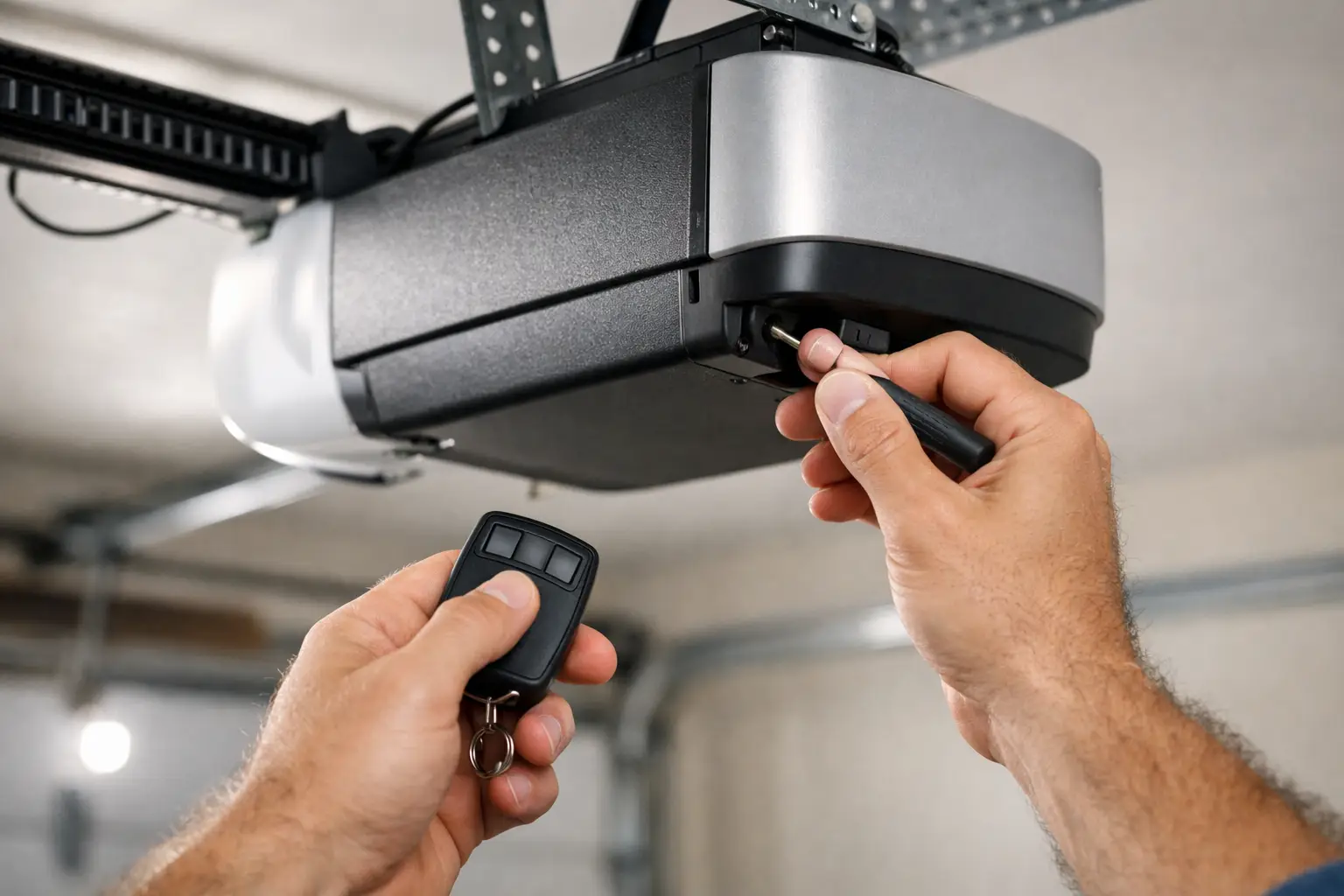
When comparing proposals, make sure you are comparing more than the operator name. Ask whether the quote includes new safety sensors, controls, a wall station, emergency release hardware, electrical work if needed, programming, and removal of the old unit. A lower quote can leave out the components required for a safe, complete installation.
Safety Features Are Not Optional Extras
Commercial doors are heavier than most residential doors and operate around employees, customers, vehicles, and equipment. A reliable system should include properly installed entrapment protection, such as photo eyes or monitored sensing edges, based on the door type and application.
A reversing edge is especially useful where forklifts, carts, or people may pass through the opening. Photo eyes need to be aligned, protected from damage, and tested regularly. A door that only reverses sometimes is not a safe door.
Controls should also match the building. A simple interior push button may be enough for a secure storage area. A business with multiple drivers may need exterior keypads, key switches, card access, or integrated controls. If the door opens onto a public alley or shared drive, secure access and clear warning devices become even more important.
Northern Colorado Conditions Change the Conversation
Cold temperatures, wind, dust, and sudden weather swings can expose weak points in a commercial door system. Thickened lubricant, dry rollers, worn seals, loose hardware, and marginal spring tension can make an operator work harder than it should.
In Greeley, Evans, Windsor, and Ault, it makes sense to inspect the whole door before replacing an operator. If wind has bent a track, a cable is fraying, or the springs are near the end of their rated cycle life, installing a new motor alone will not deliver the reliability you expect.
For insulated doors, the added weight should be considered during sizing. For agricultural or industrial buildings, dust and debris may call for a more durable setup and a maintenance plan that keeps moving parts clean and adjusted.
Do Not Ignore the Door's Balance
A commercial operator should guide a balanced door, not muscle a failing one open. With the operator disconnected by a trained technician, a properly balanced sectional door should stay near its travel position rather than crashing down or flying upward. If it does not, the spring system needs attention.
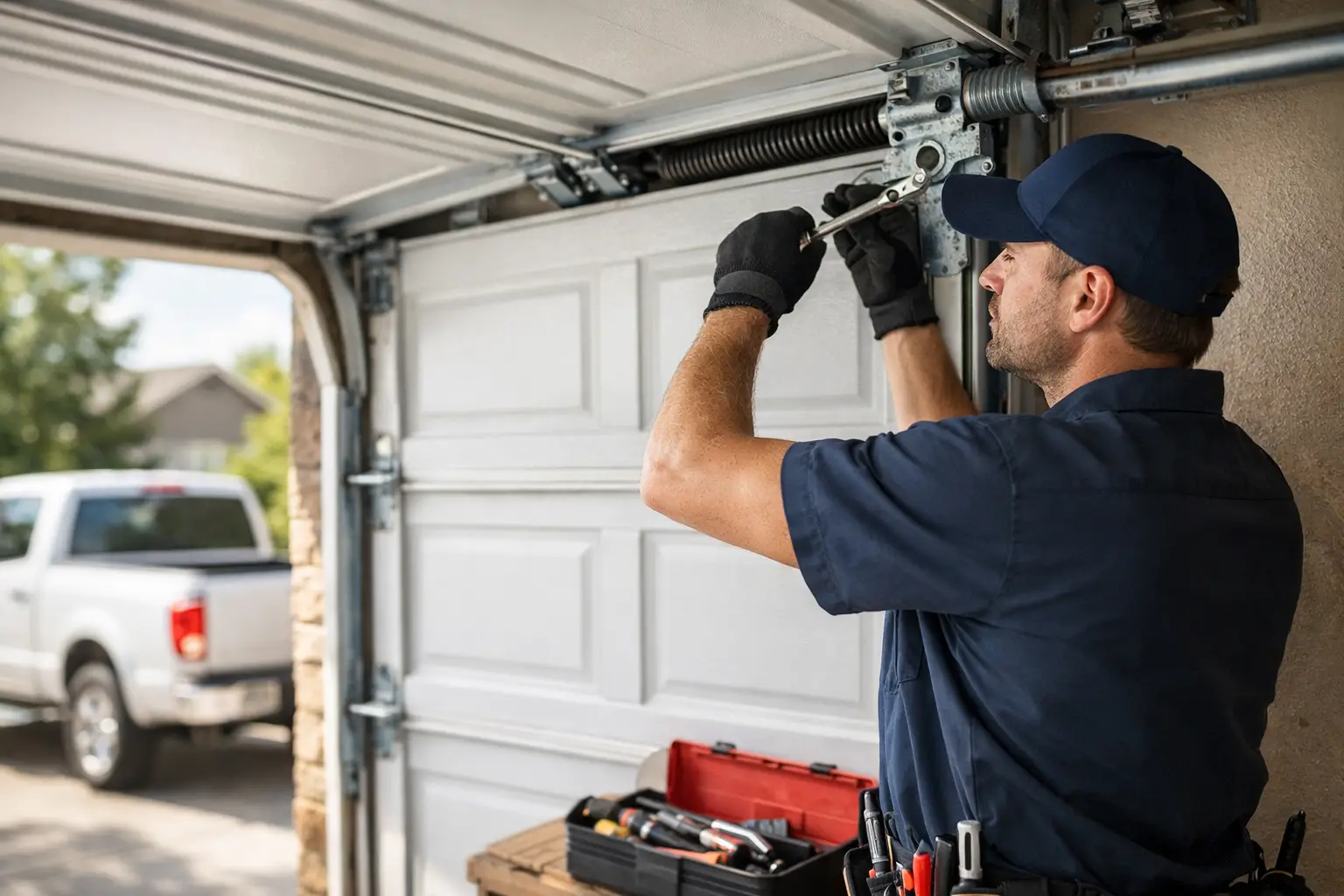
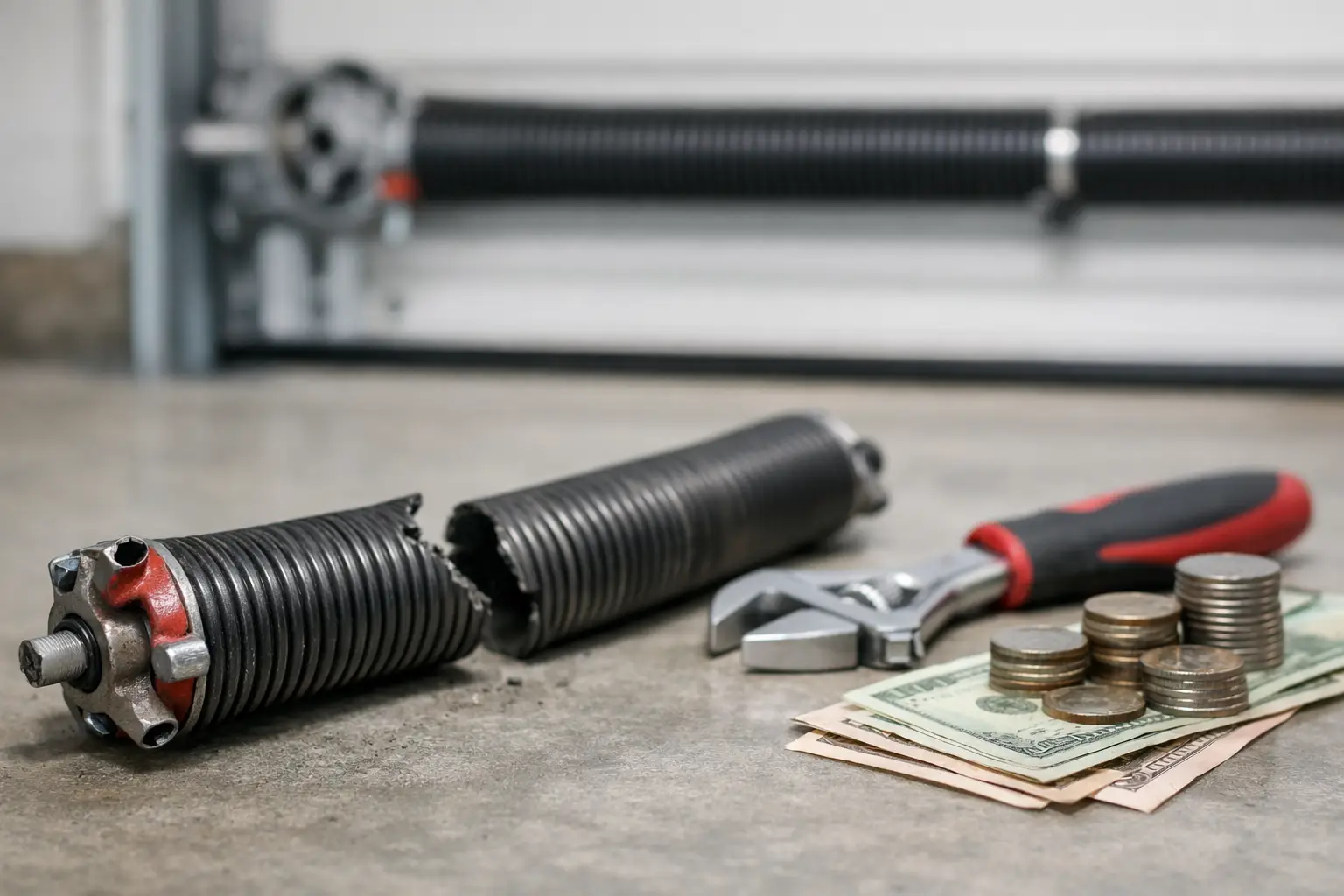
Broken torsion springs, stretched cables, worn rollers, and damaged hinges are common reasons an operator appears to have failed. Replacing the operator first can hide the real problem for a short time, then create a larger repair bill later.
This is also why commercial spring work is not a DIY job. High-tension springs can cause serious injury when handled incorrectly. A trained door technician can identify whether the operator is truly the issue or whether the door hardware is overloading it.
A Practical Way to Choose
Before selecting an operator, be ready to answer a few straightforward questions: What type of door do you have? How wide and tall is it? How often does it open each day? Does the building need special access controls, backup operation, or fire-door functions? Is the door currently balanced and in good mechanical condition?
Those answers narrow the choices quickly. The goal is not to buy the biggest operator available. It is to install one that fits the job, protects the people using the opening, and can be repaired without a long wait for parts.
Greeley Garage Door Repair by Mike can inspect the complete door system, explain the practical options, and provide clear pricing before work begins. For a business, the right operator is the one you do not have to think about during a busy day - it opens when it should, closes safely, and lets your operation keep moving.