

A garage door panel can bend from a backing vehicle, a basketball, high winds, or a door that was already running out of alignment. The question, “can bent garage panel be repaired,” has a real answer: sometimes. A small cosmetic bend may be repairable, but a panel that affects how the door moves, seals, or locks into the track often needs more than a quick straightening job.
The safest choice depends on where the damage is, what material the door is made from, and whether the rest of the system is still working correctly. A bent panel can turn a normally simple repair into an off-track door, broken rollers, damaged cables, or a stuck garage if it is forced to keep operating.
When Can a Bent Garage Panel Be Repaired?
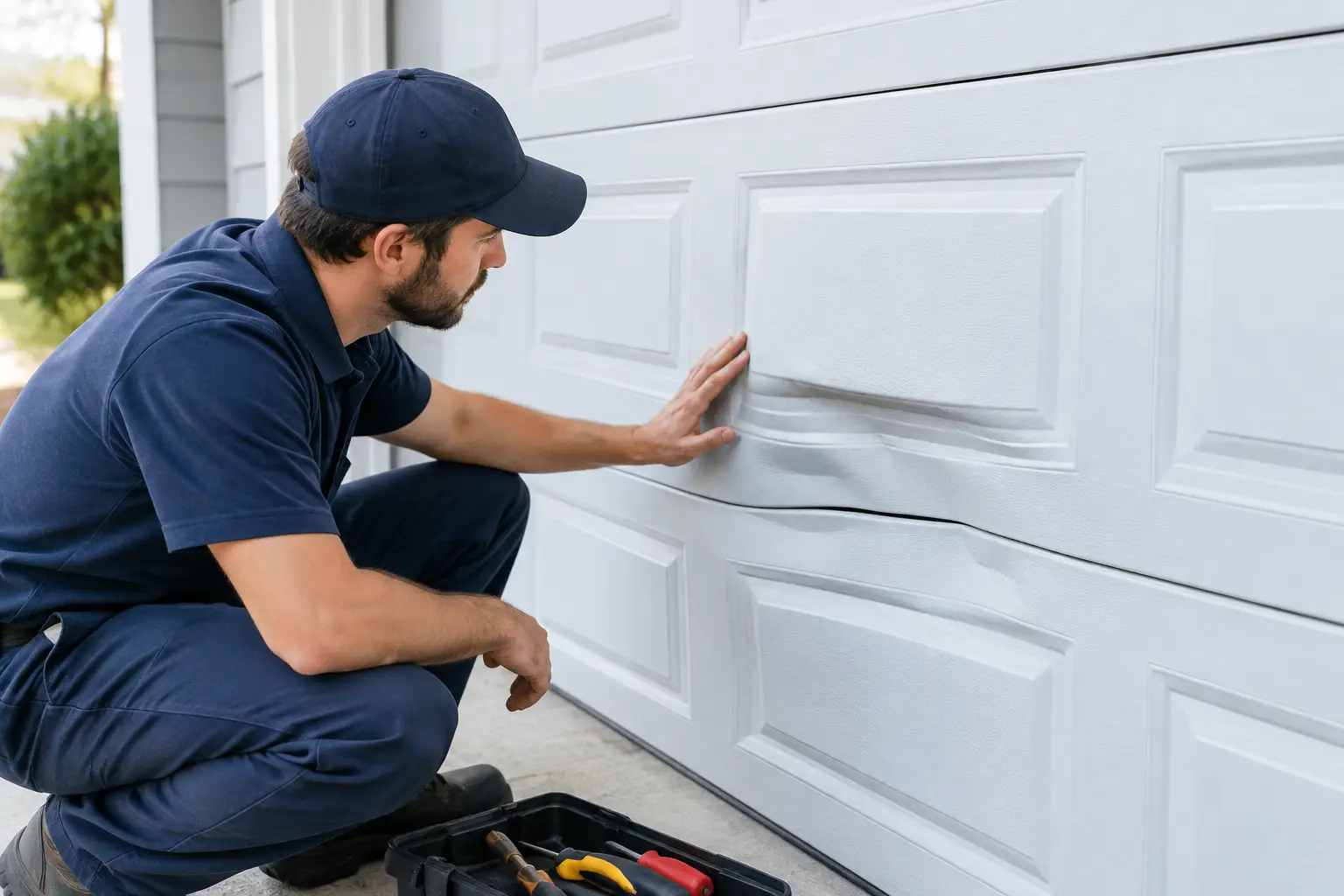
A repair is often possible when the bend is shallow, contained to one area, and not interfering with the panel joints, hinges, or tracks. Light dents in a steel door can sometimes be reshaped enough to restore the door's appearance and movement. This is most likely when the panel has not creased sharply and the insulation inside has not been crushed or exposed.
Small damage near the center of a panel is generally less concerning than damage along its top or bottom edge. The edges are where sections meet, hinges attach, and rollers guide the door through its travel. Once those areas are bent, the panel may no longer sit flat against the next section. That can cause binding as the door opens or closes.
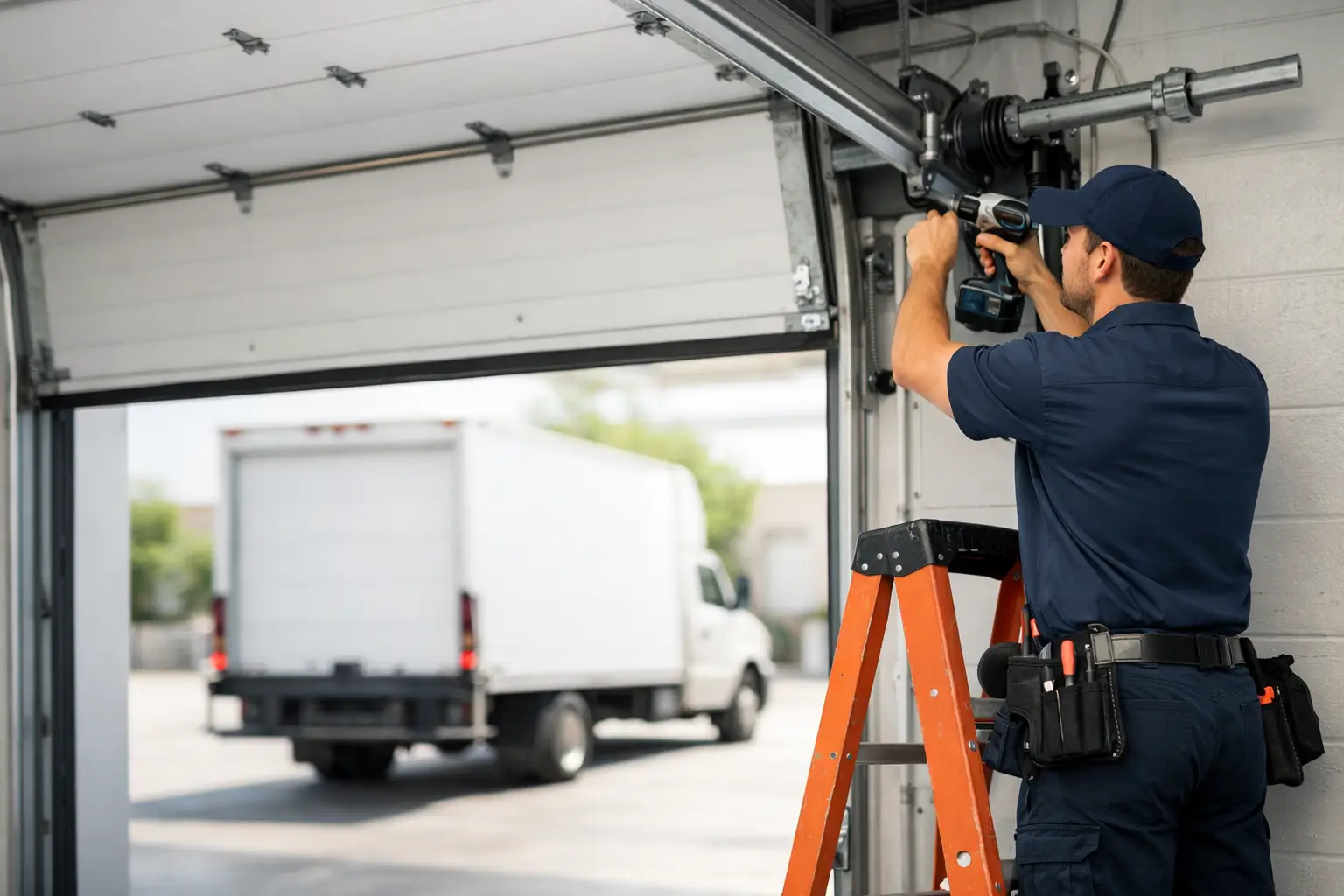
A technician will usually check more than the dent itself. They should inspect whether the tracks are level, whether rollers are worn or popped out, and whether the hinges have pulled loose. If the door was hit while moving, the impact may also have shifted the track or put stress on the cables.
Cosmetic dents versus structural damage
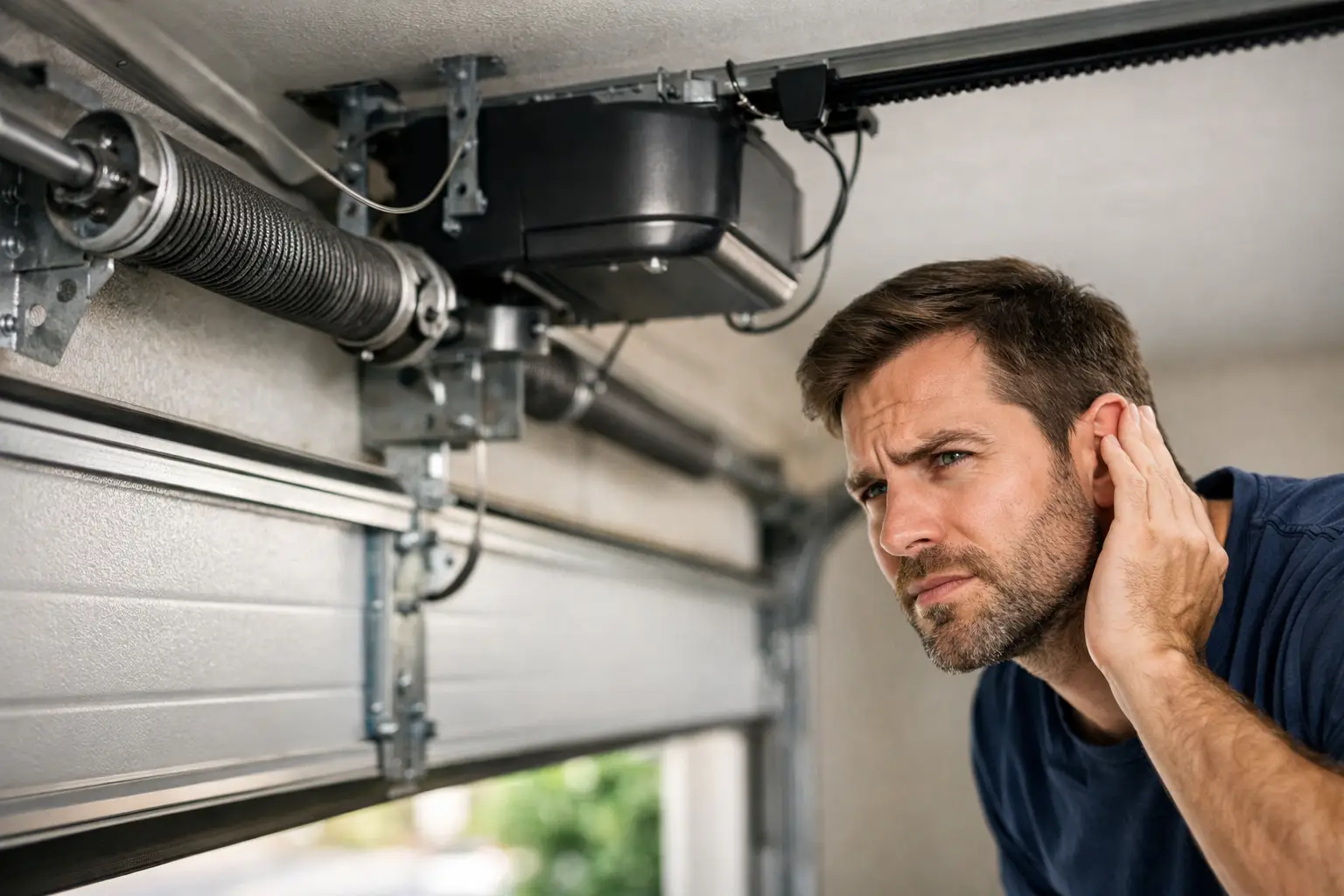
A cosmetic dent looks bad but does not change the door's operation. The door still opens smoothly, closes evenly, and seals against the floor without gaps. Structural damage is different. It may show up as a crease across the panel, a bowed section, cracked insulation, separated steel skin, loose hinges, or a door that jerks and makes noise in one spot.
If the panel is visibly folding when the door runs, stop using the opener. The opener is designed to move a balanced garage door, not drag a damaged section through the tracks. Continuing to run it can strip opener gears, bend the top section, or pull a roller out of the track.
Signs a Bent Panel Should Be Replaced
Panel replacement is usually the better route when the damage affects the panel's strength or the way it connects to the rest of the door. A replacement may cost more than basic dent work, but it can prevent repeated service calls and reduce the risk of a door failing when you need to leave for work.
Replacement is commonly recommended when:
- The panel has a deep crease, split metal, or crushed insulation.
- Hinges or roller brackets are bent, torn loose, or cannot be securely reattached.
- The panel will not line up with the sections above and below it.
- The door binds, shakes, rubs the track, or reverses while closing.
- Damage is close to the bottom seal, top reinforcement, or a panel joint.
- Multiple panels are bent or the door was knocked off track.
For an insulated steel door, the condition of the insulation matters. A dented outer skin might appear fixable, but crushed polystyrene or polyurethane can reduce the panel's rigidity and insulation value. In Northern Colorado, where cold weather and wind put extra stress on garage doors, a weak panel can become more noticeable over time.
Can You Straighten a Bent Garage Door Panel Yourself?
Homeowners can safely handle a few basic checks. Look for obvious objects in the tracks, check whether a roller has come loose, and avoid operating the door if it is binding. You can also take clear photos of the panel and the full door to help a repair technician assess the problem before arriving.
Trying to pound, pry, or pull a panel back into shape is where trouble starts. Garage door sections are thin in some places but reinforced at hinges and edges. Applying force in the wrong spot can create a sharper crease or tear the metal. On insulated doors, it can also separate the outer and inner skins.
Do not loosen cables, bottom brackets, springs, or center hardware to reach the damaged panel. Those parts are under serious tension. A bent panel may be inconvenient, but a spring or cable injury is an emergency. If the door is stuck open and you cannot secure the property, keep people clear of the opening and call for emergency service.
What a Professional Bent Panel Repair Includes
A proper service call begins with finding out why the panel bent. If a vehicle hit the door, the cause is obvious. If the bend appeared gradually, the root issue may be worn rollers, a loose hinge, a damaged track, or a door that has been operating out of balance.
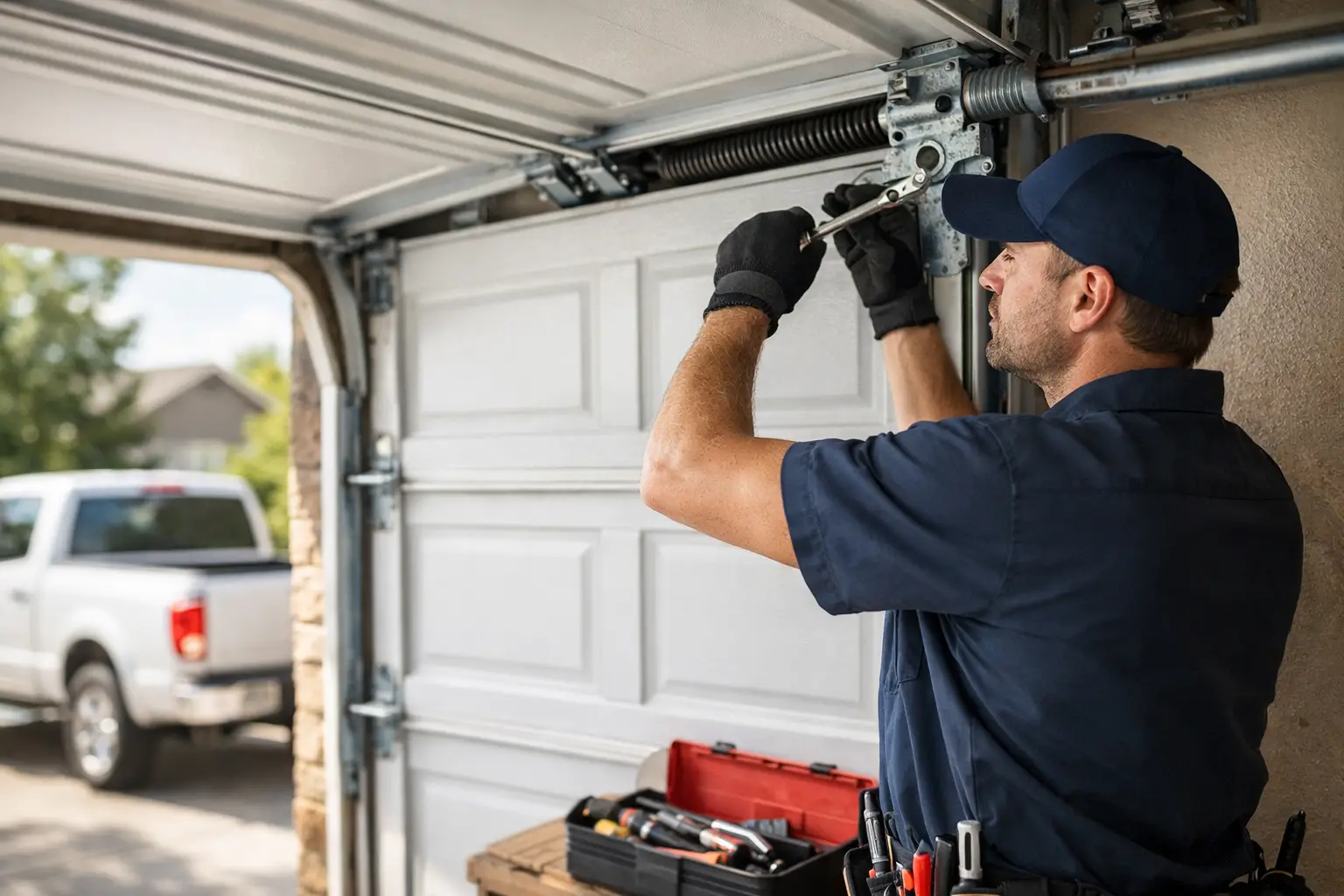
The technician should inspect the door through a full open-and-close cycle when it is safe to do so. They will look at panel alignment, roller travel, track spacing, hinges, cables, springs, and opener force settings. Repairing only the visible panel without correcting the underlying issue can leave the door vulnerable to another failure.
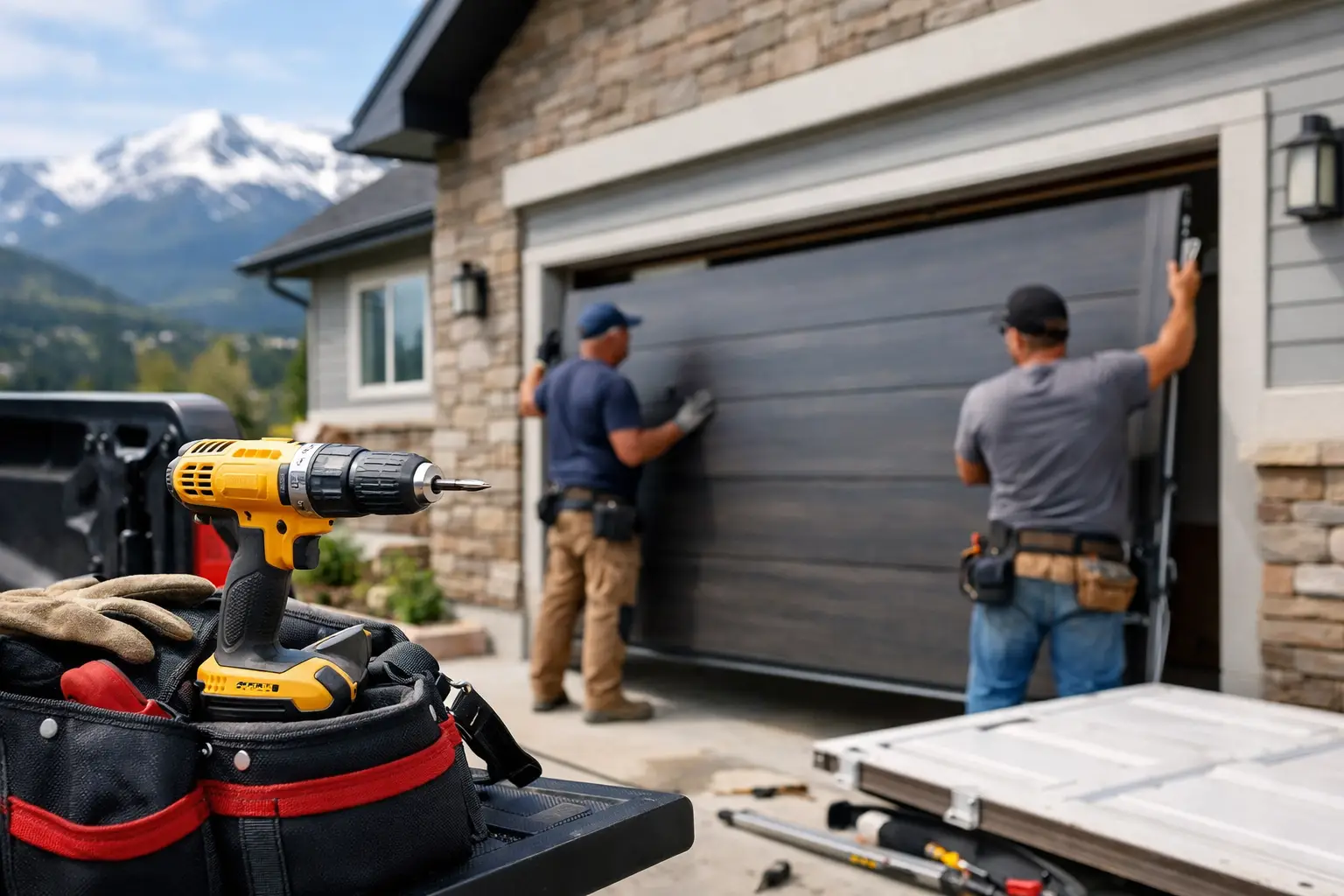
Depending on the damage, the work may include reshaping a minor bend, reinforcing a weakened area, replacing hinges or rollers, realigning track, or replacing a single matching section. Afterward, the door should be balanced, lubricated where appropriate, and tested for smooth travel and safety reversal.
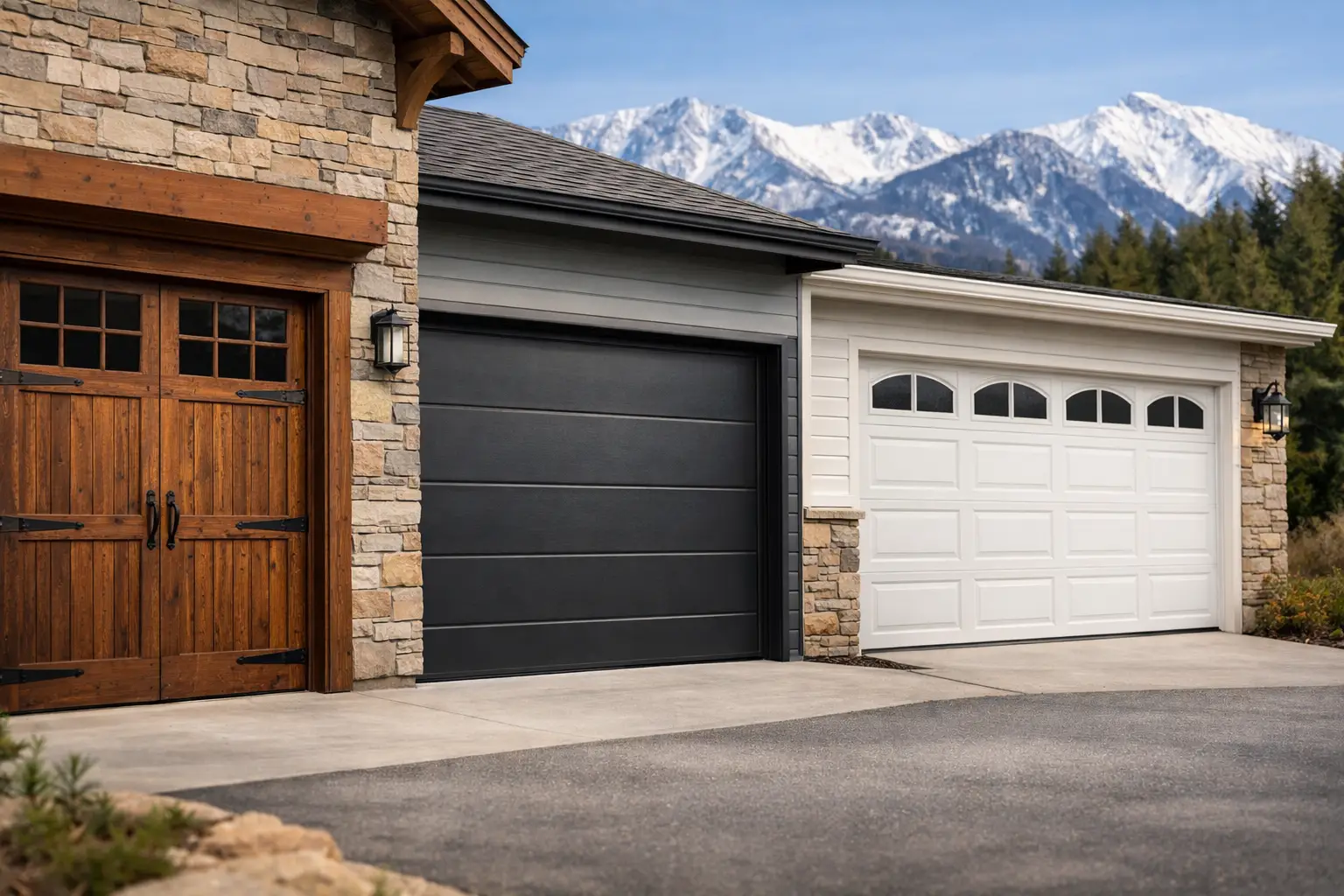
For older doors, finding an exact panel match can be the deciding factor. Manufacturers change designs, window layouts, colors, and insulation thicknesses over time. A single-panel replacement is often the most economical fix when a match is available. If it is not, homeowners have to weigh a slightly mismatched panel against replacing the complete door.
Repair Cost Depends on the Whole Door, Not Just the Dent
There is no honest flat price for every bent garage panel. Minor adjustment and hardware repairs are usually less expensive than replacing a full insulated section. Costs rise if the panel is custom, has windows, requires special color matching, or if the impact also damaged tracks, cables, rollers, or the opener.
The best way to avoid surprises is to ask for an upfront diagnosis and clear pricing before work begins. A local technician should explain whether the panel can be safely repaired, why replacement is recommended if needed, and what related parts need attention. You should not be pressured into a new door when one panel and a few components will solve the problem.
There are times, however, when a complete replacement is the sensible long-term choice. If a door has several damaged sections, extensive rust, outdated safety features, or repeated breakdowns, putting money into one more panel may not be the best value. New insulated doors can improve comfort, curb appeal, and reliability, especially when the garage is attached to the home.
What to Do Right After a Panel Is Bent
First, do not keep cycling the opener to see if the door will “work itself out.” If it is crooked, scraping, or making a loud popping sound, leave it in place. If the door is open and unstable, do not stand beneath it or attempt to pull it shut by hand.
If the door is closed and secure, disconnecting the opener is usually unnecessary unless the door is trying to run on its own or the opener is malfunctioning. Keep vehicles and children clear of the area, take photos for insurance if the damage came from a vehicle or storm, and schedule an inspection before using the door again.
For homeowners in Greeley, Evans, Windsor, and Ault, fast local service matters when a bent section has trapped a vehicle or left the garage exposed. Greeley Garage Door Repair by Mike can inspect the full system, explain the practical options, and make repairs without the call-center runaround.
A bent panel does not automatically mean you need a whole new garage door. But it does deserve prompt attention. The right repair protects the door's movement, your opener, and the people who use that garage every day.