
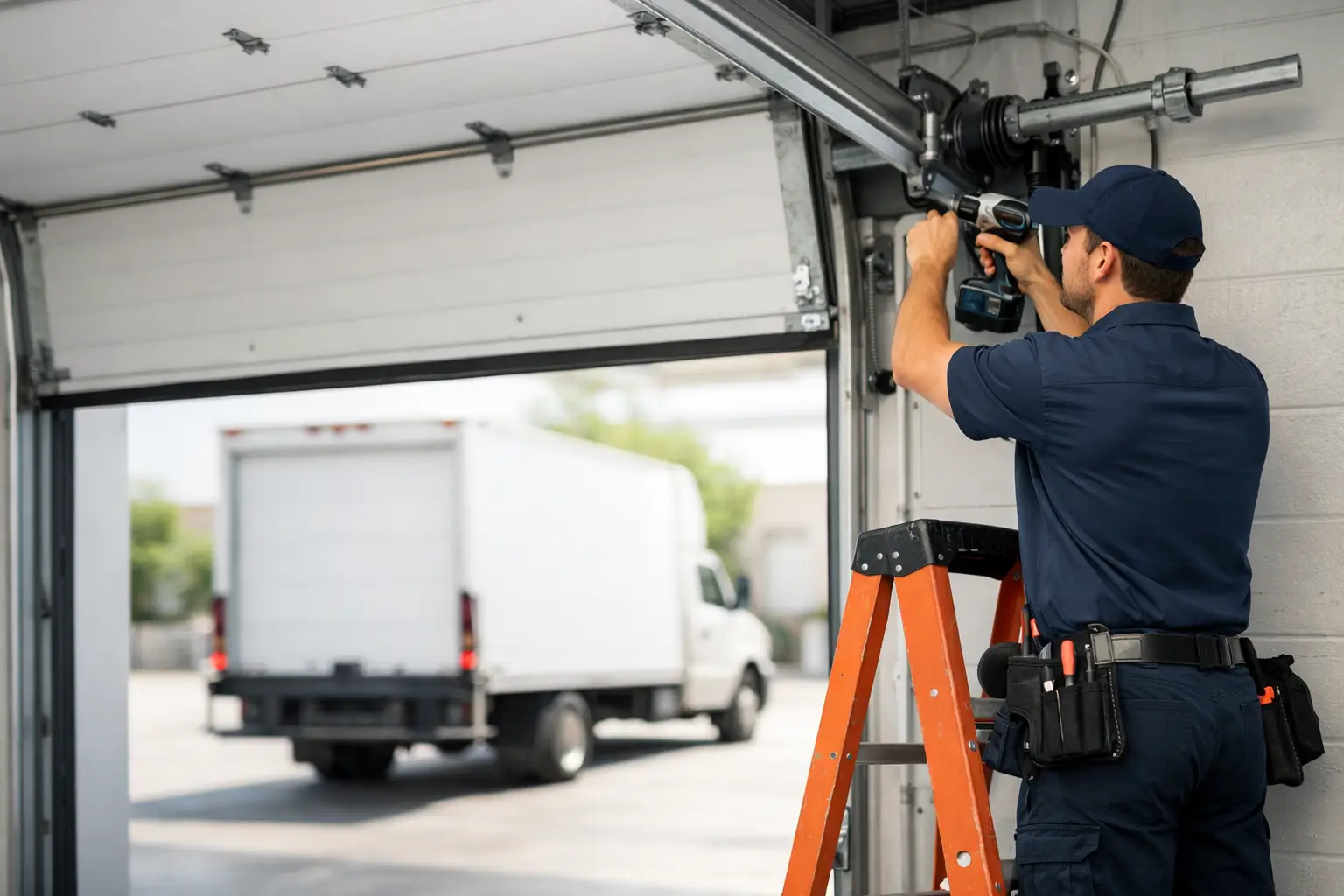
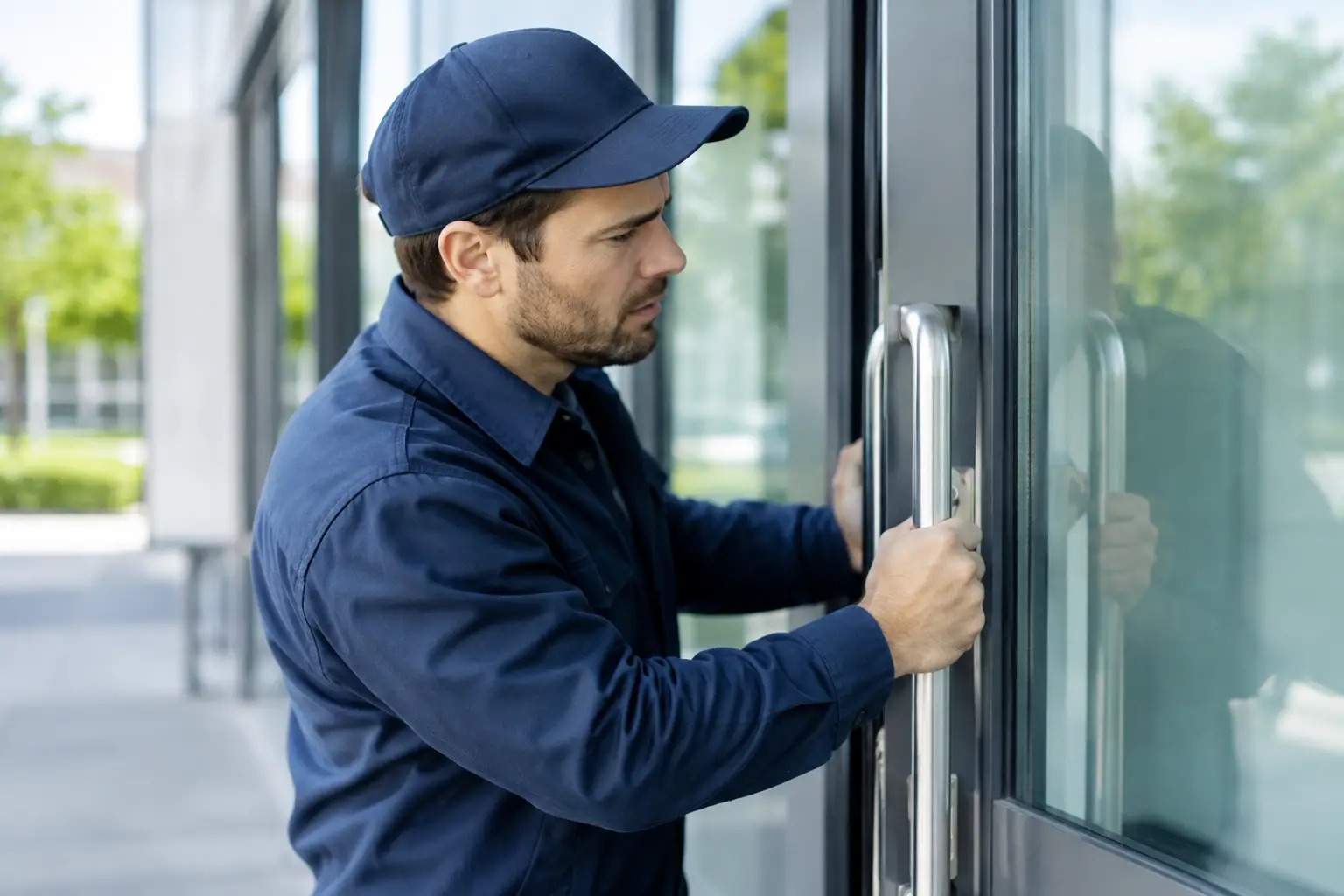
A loading door that will not open at 7 a.m. is more than an inconvenience. It can hold up deliveries, leave equipment trapped inside, create a security concern, and put employees in a bad position. Commercial operator failure is often the issue behind a door that will not move, reverses unexpectedly, runs without lifting the door, or makes a loud humming sound and quits.
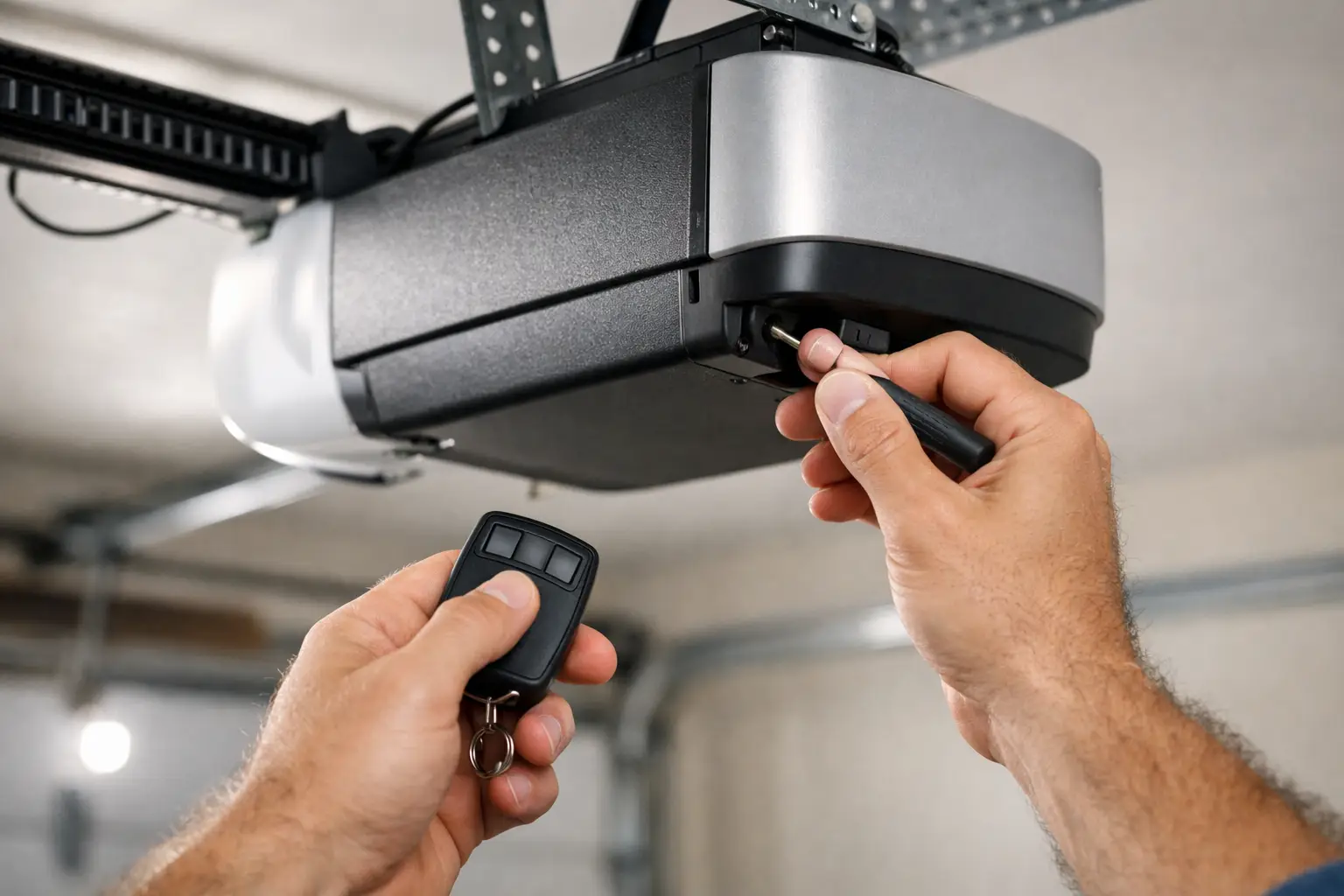
The operator is the motorized unit that opens and closes your commercial garage door or overhead door. It works with the door's springs, cables, tracks, rollers, and safety devices. Because all of those parts work together, a stopped door does not always mean the operator itself has failed. Getting the cause right matters. Replacing an operator when a broken spring or damaged cable is the real problem wastes time and money.
What commercial operator failure looks like
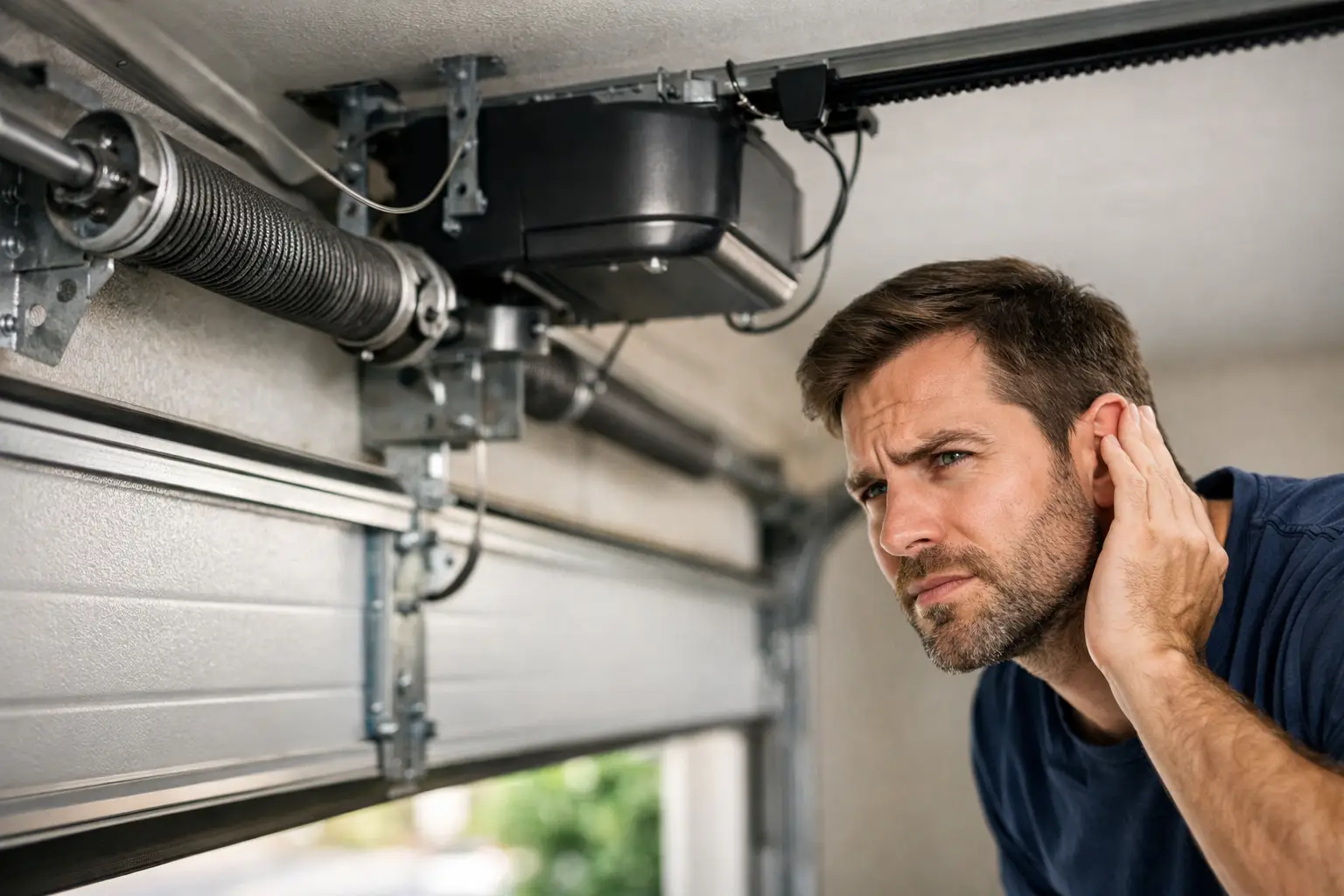
Commercial doors usually give some warning before they stop completely. You may notice the door moving slower than usual, stopping halfway, opening crooked, or needing several button presses before it responds. A chain-drive operator may become noticeably louder. A jackshaft operator may hum but fail to turn the shaft. Some operators flash an error code or show a warning light, while older units may simply stop working.
A door that comes down and immediately reverses is another common complaint. The safety sensors may be blocked or out of alignment, but the problem can also involve a damaged bottom seal, a door that is binding in the tracks, or a control issue. The details matter, especially when the door serves a busy shop, warehouse, farm building, or shared commercial property.
If the motor runs but the door stays in place, stop using it. The operator may have a stripped gear, a failed drive component, or a release system problem. It can also mean the door has lost spring support. Continuing to run the motor against a door that cannot move can turn a repairable issue into a larger one.
The common causes behind a stopped commercial door
Commercial operators are built for frequent use, but frequent use also means normal wear catches up eventually. The most common causes include the following:
- Power and control problems: A tripped breaker, damaged power cord, failed wall station, bad key switch, loose wiring, or remote-control issue can make a healthy operator appear dead.
- Safety device faults: Photo eyes, monitored safety edges, loop detectors, and other required safety components can prevent operation when they are damaged, misaligned, dirty, or improperly wired.
- Worn operator components: Gears, sprockets, chains, belts, capacitors, limit switches, contactors, and circuit boards can wear out or fail with age and high cycles.
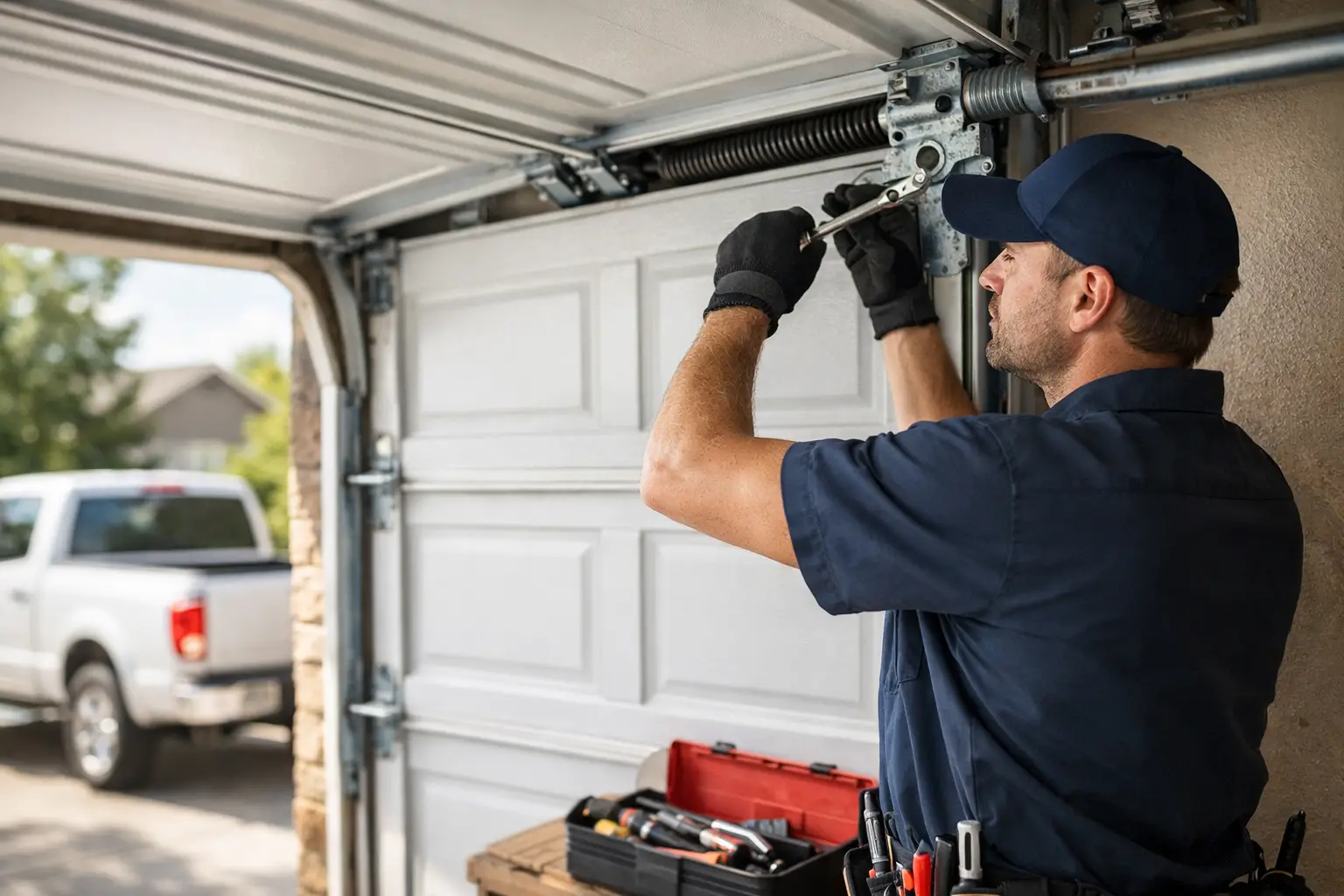
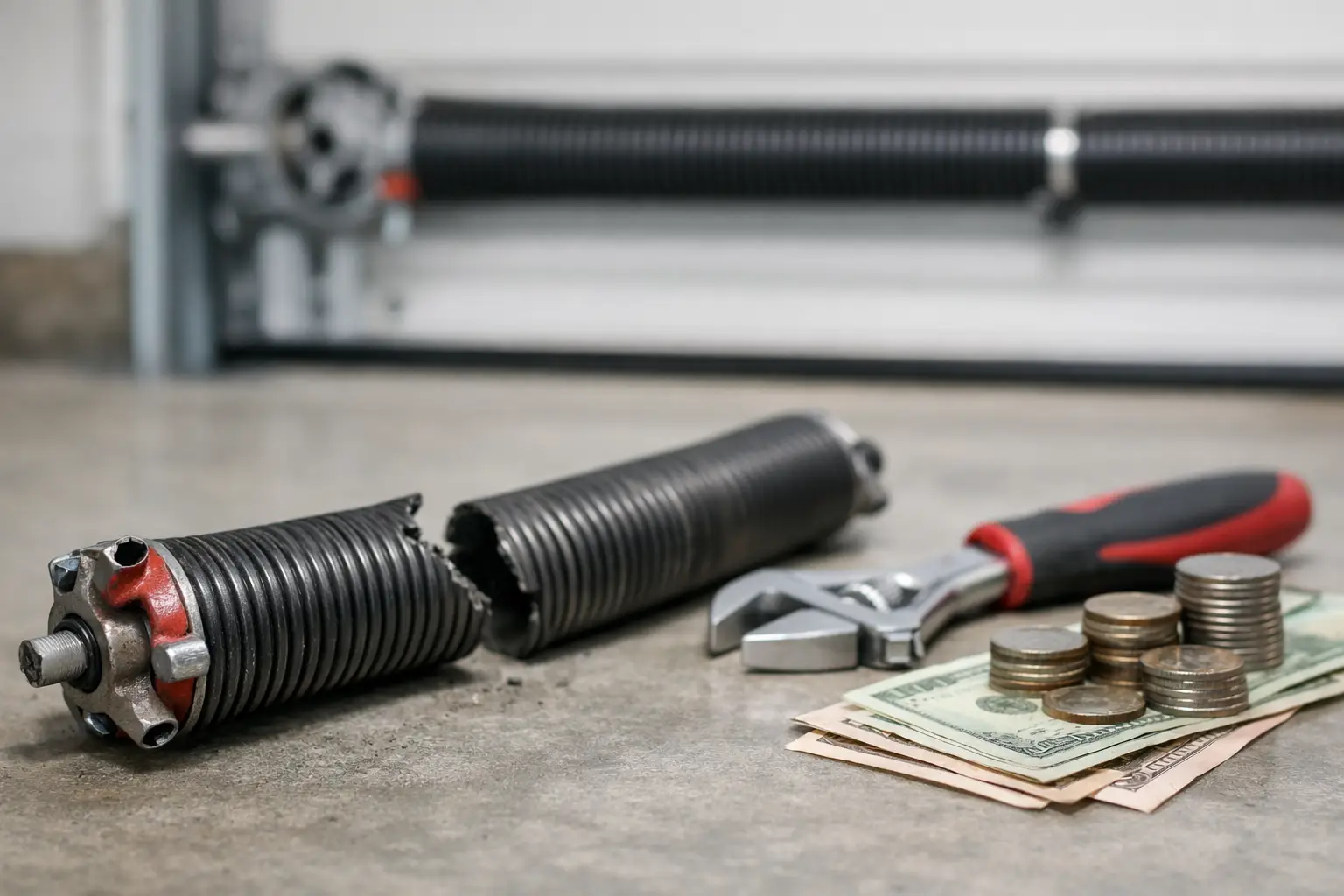
- Door balance and hardware trouble: Broken torsion springs, frayed cables, bent tracks, seized rollers, or a damaged section place too much load on the operator.
- Weather and impact damage: Northern Colorado temperature swings, windblown debris, moisture, and vehicle impacts can affect both door hardware and electrical components.
A good technician checks the complete system instead of treating the motor as an isolated part. A properly balanced door should move with controlled resistance when operated manually by a trained professional. If it is heavy, crooked, or binding, the operator is working far harder than it should. That shortens the life of even a high-quality commercial unit.
When to stop operating the door
Do not ask employees to force a commercial door open or closed. Do not pull on cables, adjust springs, or bypass safety equipment to get through the day. Commercial springs and cables carry serious tension, and a heavy overhead door can cause major injury or property damage when a part fails.
Shut the door down and arrange service right away if it is hanging crooked, off its tracks, has a loose or broken cable, makes grinding or popping noises, or will not stay in the open position. The same applies if someone has backed into the door or if the bottom section is damaged. Even if the operator still runs, the door may not be safe to use.
There are a few safe, basic checks a facility manager can make before calling. Confirm that the operator has power, check whether an emergency stop button has been pressed, make sure nothing is blocking the photo eyes or closing path, and look for obvious damage without touching moving parts. If a qualified person at your business knows the manual release procedure for that specific door, it may help with temporary access. But a manual release is not a solution for a door with broken springs, cables, or track damage.
Repair or replacement: what makes sense?
The right answer depends on the age of the operator, the type of failure, the number of cycles the door sees, and the condition of the door itself. A failed capacitor, limit switch, safety sensor, chain, or wall control can often be repaired without replacing the complete operator. That can be the practical choice when the unit is otherwise in good shape and properly sized for the door.
Replacement becomes more sensible when the operator has repeated electrical failures, obsolete parts, a damaged motor, or a history of struggling with the door. It may also be time to upgrade if your current unit was designed for lighter use than your business now demands. A busy service bay or loading area needs an operator rated for the door weight, door style, duty cycle, and daily traffic.
New commercial operators can offer better controls, monitored safety features, timer-to-close options, and more reliable operation. Those features are useful, but they are not automatically right for every building. A timer-to-close setting, for example, can improve security but must be set up carefully for pedestrian and vehicle traffic. The best setup is the one that fits how the door is actually used.
Preventing the next commercial operator failure
The easiest commercial operator failure to handle is the one that never shuts down your operations. Scheduled maintenance is especially valuable for doors that open dozens of times each day. It gives a technician a chance to catch loose hardware, worn rollers, weak springs, fraying cables, drive wear, and failing safety devices before they cause a full outage.
Your staff can help by reporting changes early. A door that gets louder, moves more slowly, shakes, or requires repeated attempts should be inspected before it stops at the worst possible time. Keep the track area clear, do not hang signs or equipment from the door, and prevent forklifts, trucks, and carts from striking the bottom section or tracks.
For multi-tenant properties and businesses with several bays, keep a simple record of repairs and maintenance visits. Patterns matter. If one operator needs frequent adjustments or one door keeps going out of alignment, there may be a larger issue with the door, traffic flow, or equipment selection.
Fast help for a door that will not run
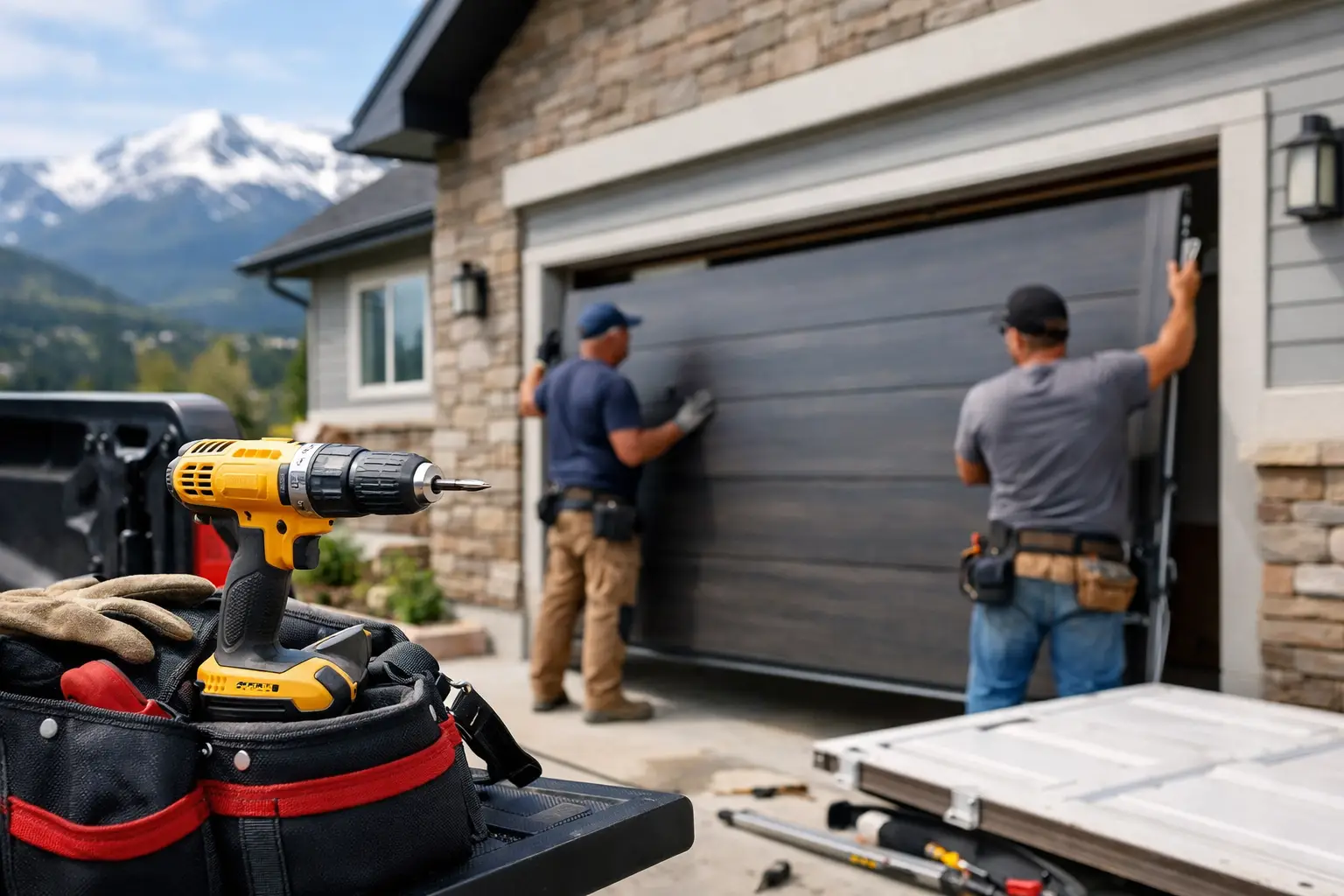
When a commercial door is stuck open, stuck closed, or behaving unpredictably, speed matters, but so does an accurate diagnosis. A technician should inspect the operator, controls, safety components, and door hardware before recommending a repair or replacement. You deserve a clear explanation of what failed, what it will cost to fix, and whether the door can be safely secured while repairs are made.
For businesses in Greeley, Evans, Windsor, and Ault, Greeley Garage Door Repair by Mike provides commercial door and operator service with straightforward pricing and practical repair recommendations. A stocked service truck can often make the difference between a long interruption and a one-visit repair.
A commercial door is part of your daily workflow, not a piece of equipment you should have to think about. When it starts acting differently, address it before a small operator or hardware issue becomes the reason your business cannot open, close, ship, receive, or secure the building.