
A garage door usually gives you a little warning before it quits. It starts moving slower, makes a grinding noise, or shakes more than it used to. That is where a garage door maintenance service earns its keep. It is not about selling extra work. It is about catching worn parts early, keeping your door safe, and avoiding the kind of breakdown that leaves your car trapped when you are already late.
For most homeowners, the garage door is the largest moving part of the house and one of the most used. You may open and close it several times a day without thinking much about what is happening overhead. Springs are under heavy tension, cables carry serious load, rollers wear down, and openers work through heat, cold, dust, and daily use. A little upkeep goes a long way, especially in places where weather swings can be hard on moving parts.
What a garage door maintenance service should actually include
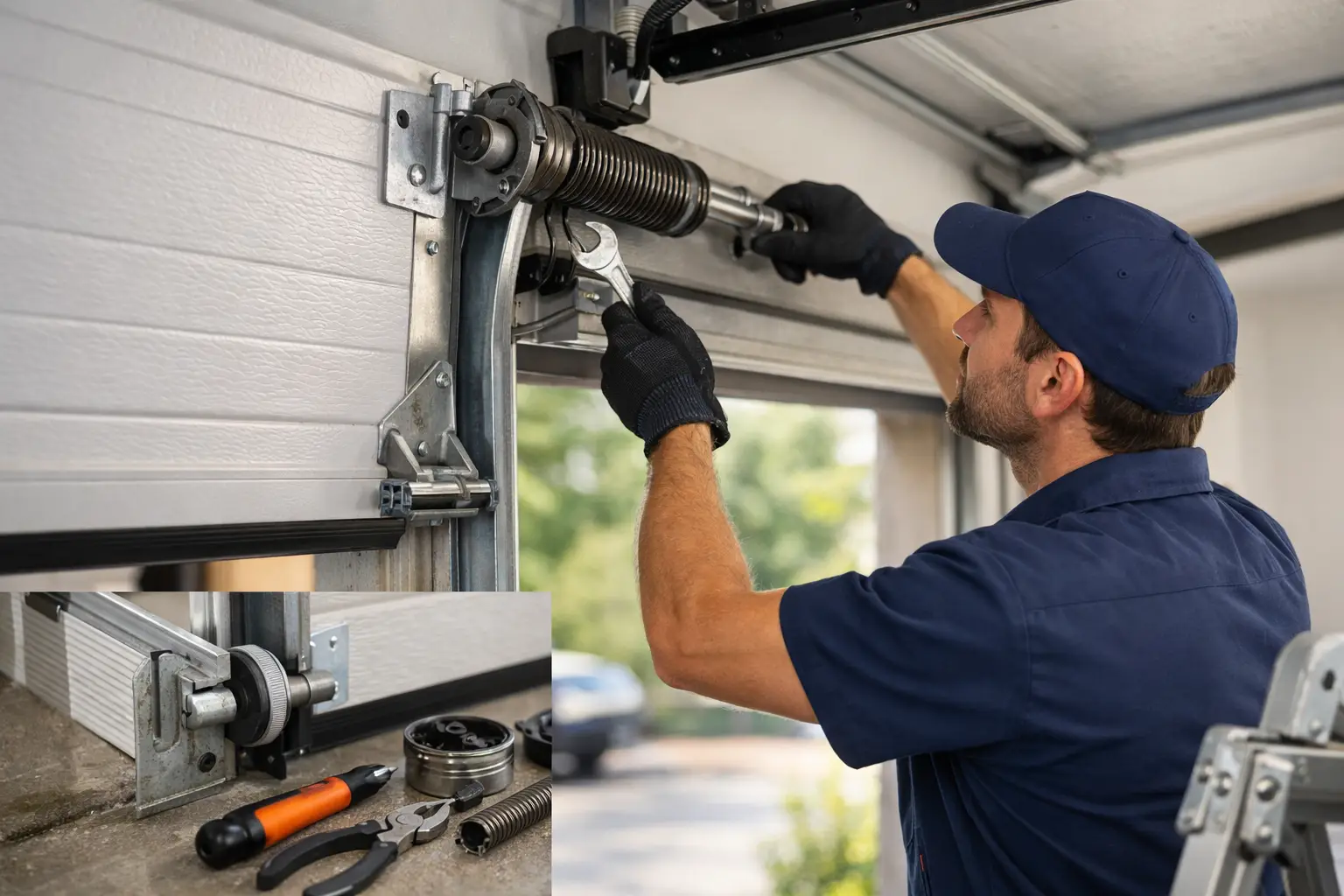
A good maintenance visit should be practical and specific. It is not just a quick spray of lubricant and a bill. The technician should inspect the moving parts, test the balance of the door, look at spring condition, check cables for fraying, examine rollers and hinges for wear, and make sure the tracks are aligned and secure.
The opener matters too. A proper visit should include checking the force and travel settings, testing the safety reversal system, inspecting the wall control and remotes, and making sure the photo eyes are clean, aligned, and responding correctly. If the opener is straining or the door is out of balance, those are problems worth fixing sooner rather than later.
Hardware also needs attention. Garage doors loosen up over time. Fasteners can back out, brackets can shift, and worn bearings can add stress to the whole system. Maintenance should include tightening what is meant to be tightened, spotting parts that are near failure, and explaining clearly what needs immediate repair versus what can wait.
Why routine garage door maintenance service saves money
Most expensive garage door repairs do not start as big failures. They start as smaller issues that were ignored. A worn roller makes the opener work harder. A door that is slightly out of balance puts extra stress on the springs and motor. A frayed cable may still function for a while, until it suddenly does not.
That is the main value of maintenance. You are paying for prevention and timing. Replacing a worn roller or adjusting a door before it starts slamming or binding is usually far cheaper than dealing with a broken spring, damaged panel, or burned-out opener after the system has been struggling for months.
There is also the issue of safety. A garage door that does not reverse properly or has failing lift components is not just inconvenient. It can be dangerous for kids, pets, vehicles, and anyone standing nearby. Maintenance reduces the odds of a surprise failure, which is something every household can appreciate.
How often should you schedule service?
For many homes, once a year is a reasonable schedule. If your garage door is the main entrance to the house and gets used several times a day, twice a year may make more sense. The same goes for households with heavy-duty insulated doors, older openers, or doors that have already needed repair in the past.
Commercial doors are different. A small business with frequent daily cycles will usually need a more regular maintenance plan because wear adds up faster. High-cycle springs, rolling steel doors, and heavier commercial systems can run hard for long hours, and downtime costs more than the service itself.
It also depends on the age of the system. A newer door in good condition may only need routine checks and lubrication. An older door with original springs, older rollers, and years of use will need closer attention. Maintenance is not one-size-fits-all, and a good technician should tell you what fits your door instead of pushing a canned schedule.
Signs you should not wait for your next appointment
Some issues need attention now, not at the next yearly tune-up. If the door is jerking, going crooked, reversing for no clear reason, or making loud popping or scraping noises, something is wrong. The same goes for doors that feel heavy, move unevenly, or leave gaps when closed.
A slow opener can also be a warning sign, especially if the door used to move normally. Many people assume the motor is failing, but the real issue is often with the door itself. If the springs are weakening or the rollers are dragging, the opener is just trying to compensate.
And if you see a broken spring, a hanging cable, or a roller out of the track, stop using the door. That is not maintenance territory anymore. That is repair, and it should be handled by a trained technician with the right tools and replacement parts.
What homeowners can do between service visits
There are a few simple things you can do without taking risks. You can watch how the door moves, listen for changes in sound, and keep the tracks free of obvious debris. You can also test the photo eyes by making sure nothing blocks their view and confirming the door reverses when the beam is interrupted.
You can inspect weather seal at the bottom and around the frame too. Worn seal may not stop the door from working, but it can let in dust, moisture, and cold air. In Northern Colorado, that matters more than many homeowners expect.
What you should not do is adjust torsion springs, remove bottom brackets, or try to reset major hardware if you are not trained. Those parts carry real tension. A lot of garage door jobs look simple until someone gets hurt. Maintenance should make life easier, not create a bigger problem.
Choosing the right garage door maintenance service
This is where homeowners often get frustrated. They call for maintenance and end up with vague answers, high-pressure upselling, or a technician who barely looks at the system before recommending a full replacement. That is not the standard to accept.
A reliable service company should explain what they inspected, what they found, and what matters most. They should be clear about pricing, realistic about urgency, and willing to tell you when a part still has life left in it. Good maintenance is built on trust. If every visit turns into a sales pitch, the service is missing the point.
It also helps to choose a local team that understands how weather and daily use affect garage doors in this area. Cold snaps, wind, dust, and temperature swings all take a toll on springs, seals, and opener performance. A company that works on these systems every day will usually spot patterns faster and carry the right parts to solve problems in one trip.
That is part of why many homeowners and property managers prefer a family-owned company like Greeley Garage Door Repair by Mike. When you talk to someone who actually works on doors, the conversation is simpler. You get straight answers, clear pricing, and service focused on fixing the problem rather than stretching it out.
When maintenance makes sense and when replacement does
Maintenance is the right move when the door is basically sound and the issues are wear-related. Rollers, hinges, cables, safety settings, lubrication, minor alignment concerns, and opener adjustments all fall into that category. These are normal service needs, not signs that the whole system is done.
Replacement enters the picture when the door has major structural damage, repeated breakdowns, or outdated parts that no longer make financial sense to keep patching. If panels are bent, insulation is failing, tracks are compromised, and the opener is mismatched to the door, putting more money into maintenance may not be the best value.
That said, there is a middle ground. Sometimes a door looks rough but still has years left with the right repairs. Other times a newer-looking system has deeper issues than expected. That is why honest inspection matters more than assumptions.
Garage door maintenance service is one of those jobs that feels easy to postpone right up until the day the door will not open. A little attention now can save you from a much more stressful call later. If your door is noisier, slower, shakier, or simply overdue for a checkup, getting it looked at is a practical move that protects both your schedule and your safety.