
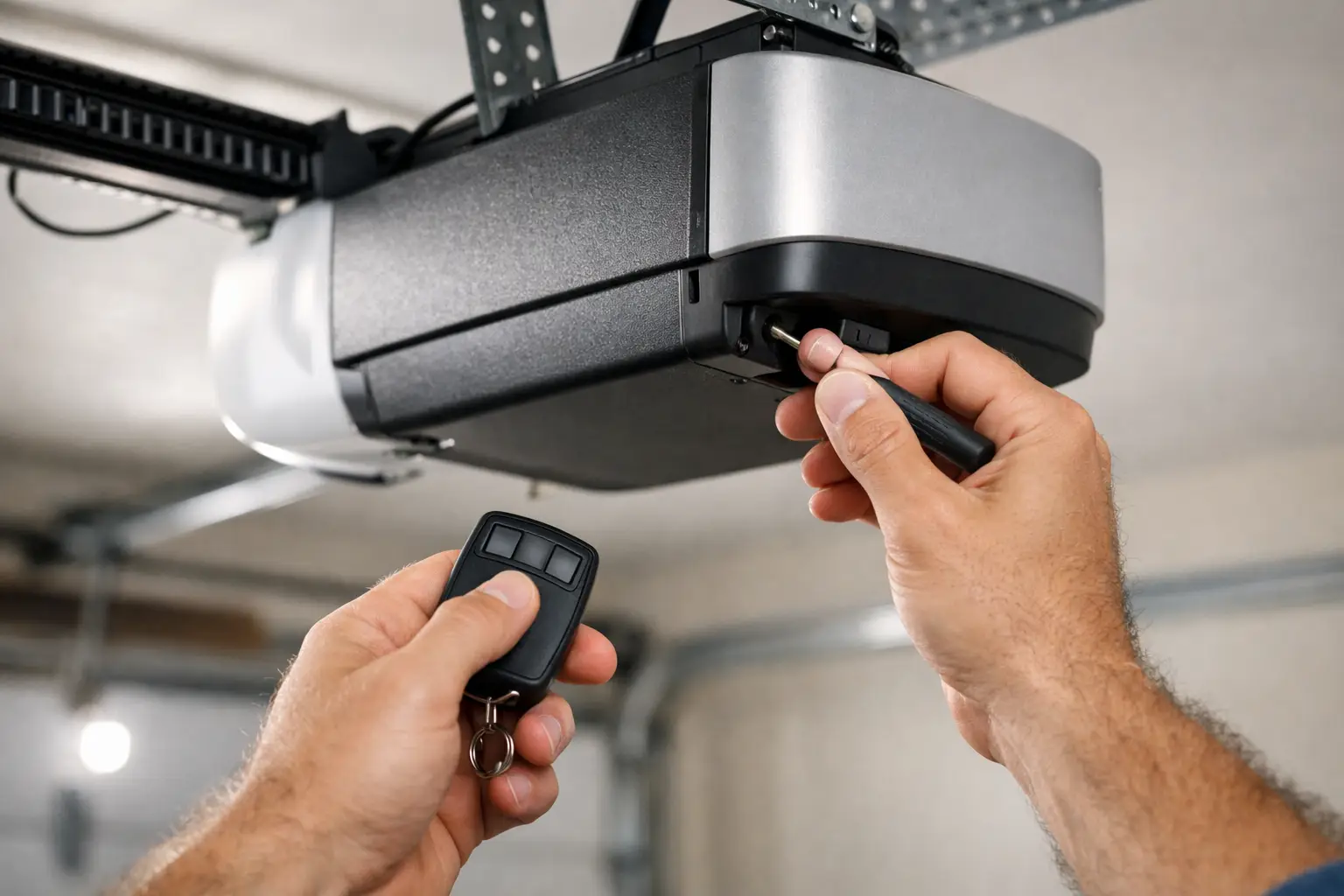
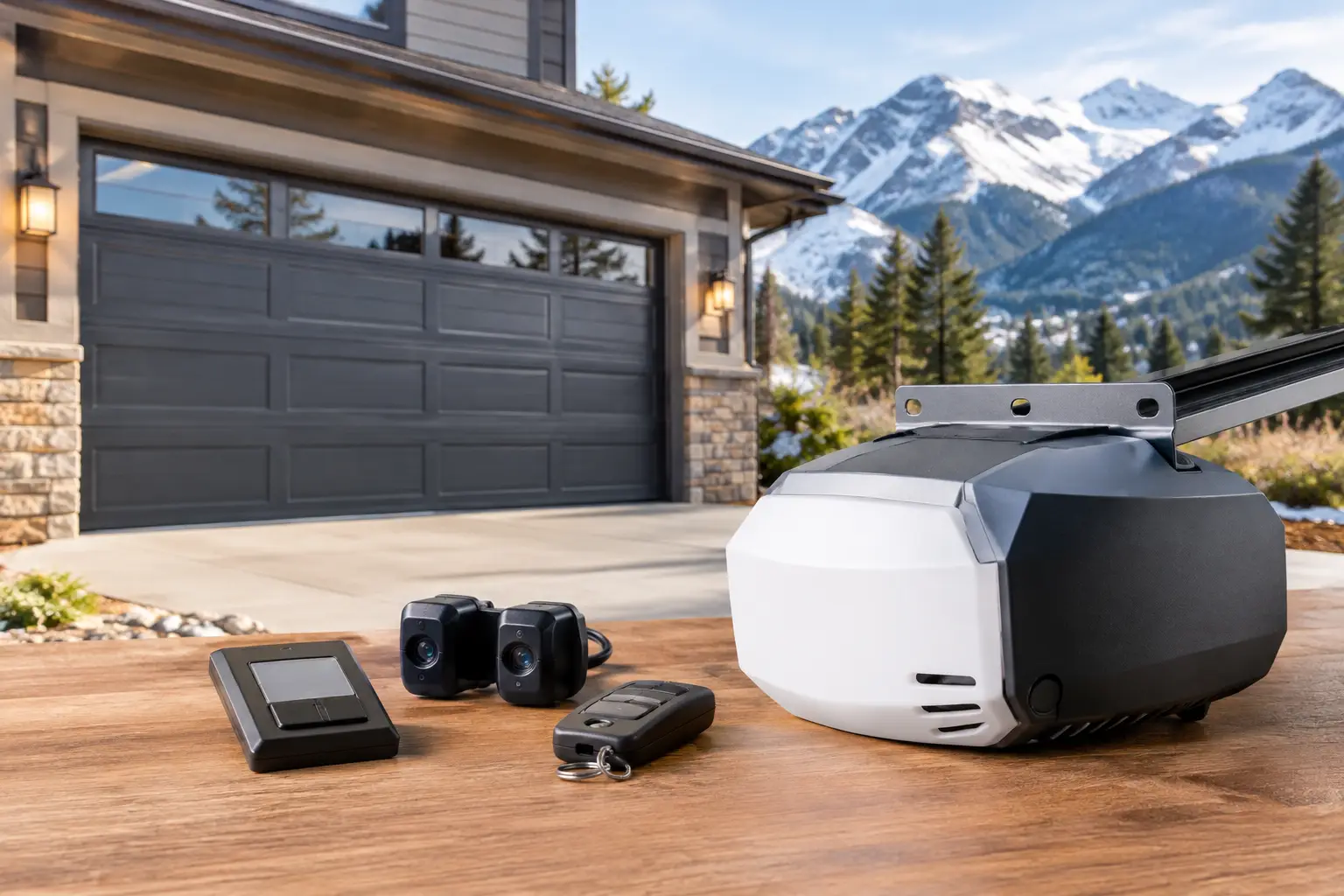
A garage door opener is easy to overlook until the morning it will not lift the door, the remote quits working, or the power goes out with your vehicle inside. This opener buying guide is built for homeowners who want a dependable replacement, not a sales pitch full of features they will never use.
The right opener should match your door, your garage layout, and how your household actually uses the space. For a quiet attached garage, that may mean a belt-drive unit. For a heavy wood door or a high-traffic commercial bay, the answer may be very different. Start with the basics, then choose the features that make everyday access safer and easier.
Start With Your Garage Door, Not the Opener
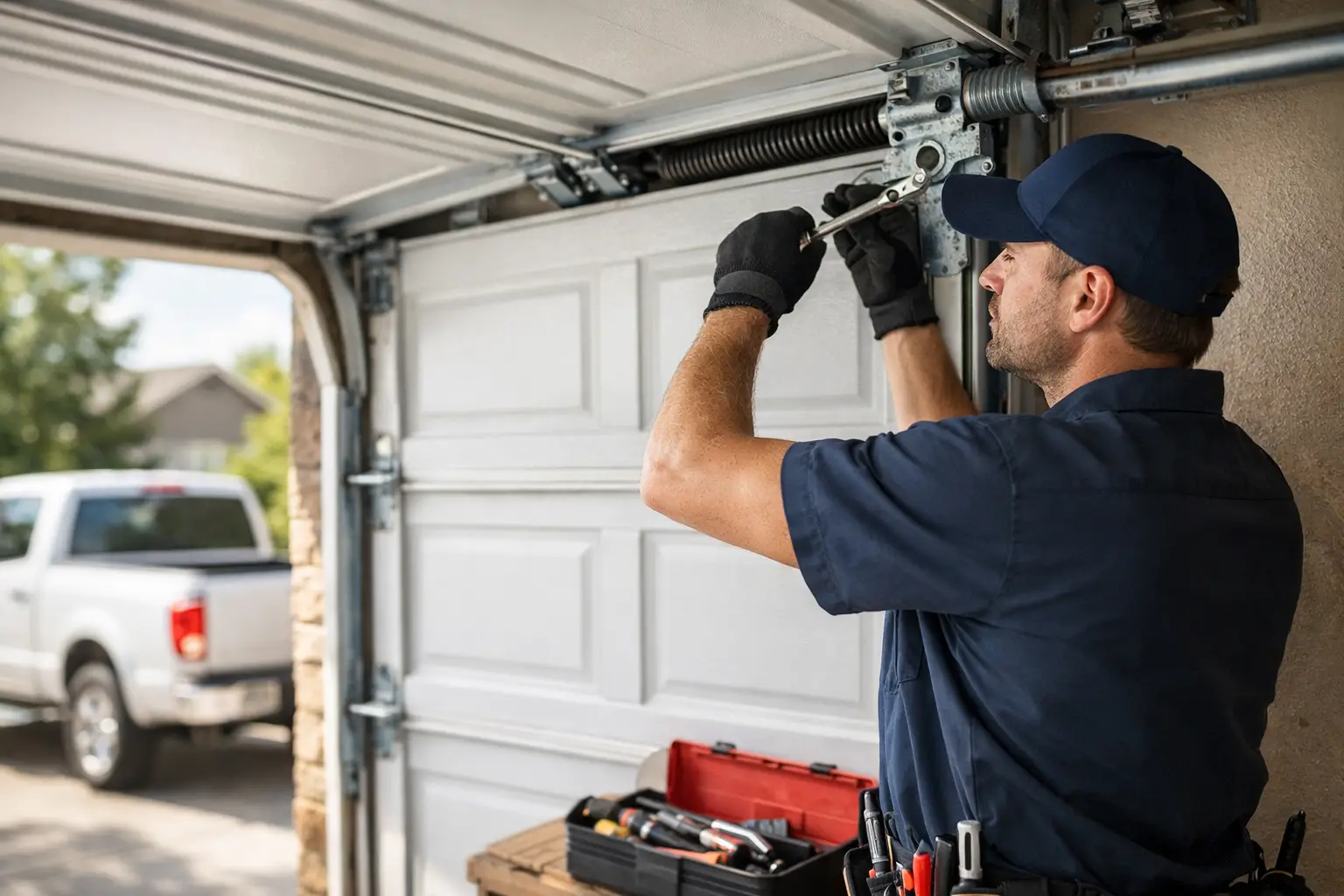
The opener does not do the heavy lifting by itself. A properly balanced garage door should move smoothly by hand when it is disconnected from the opener. Springs carry the door's weight. The opener guides the door up and down.
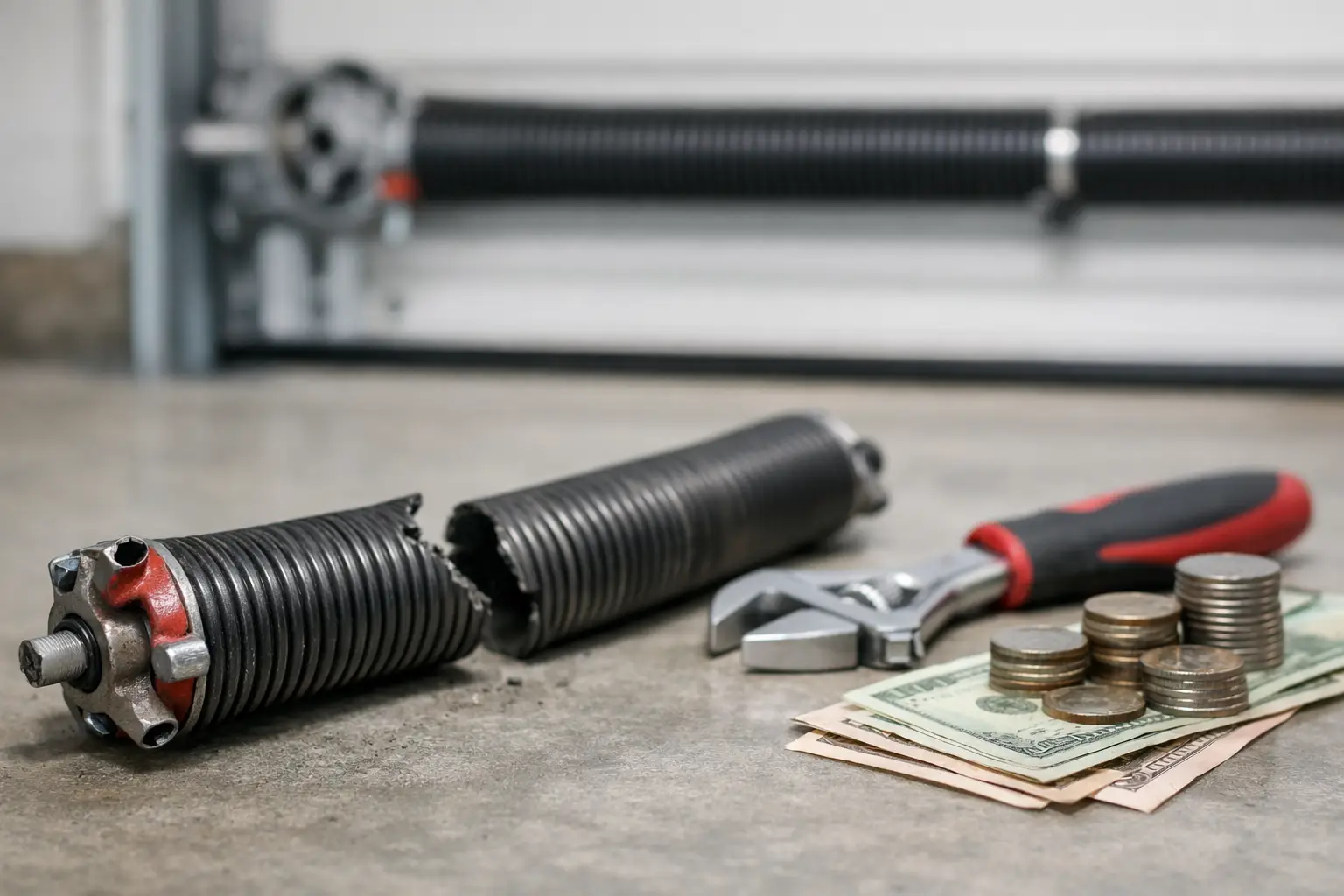
That matters because a new opener cannot fix a door with broken springs, worn rollers, damaged cables, or bent tracks. Installing a powerful motor on an unbalanced door can shorten the life of the opener and leave the real problem untouched.
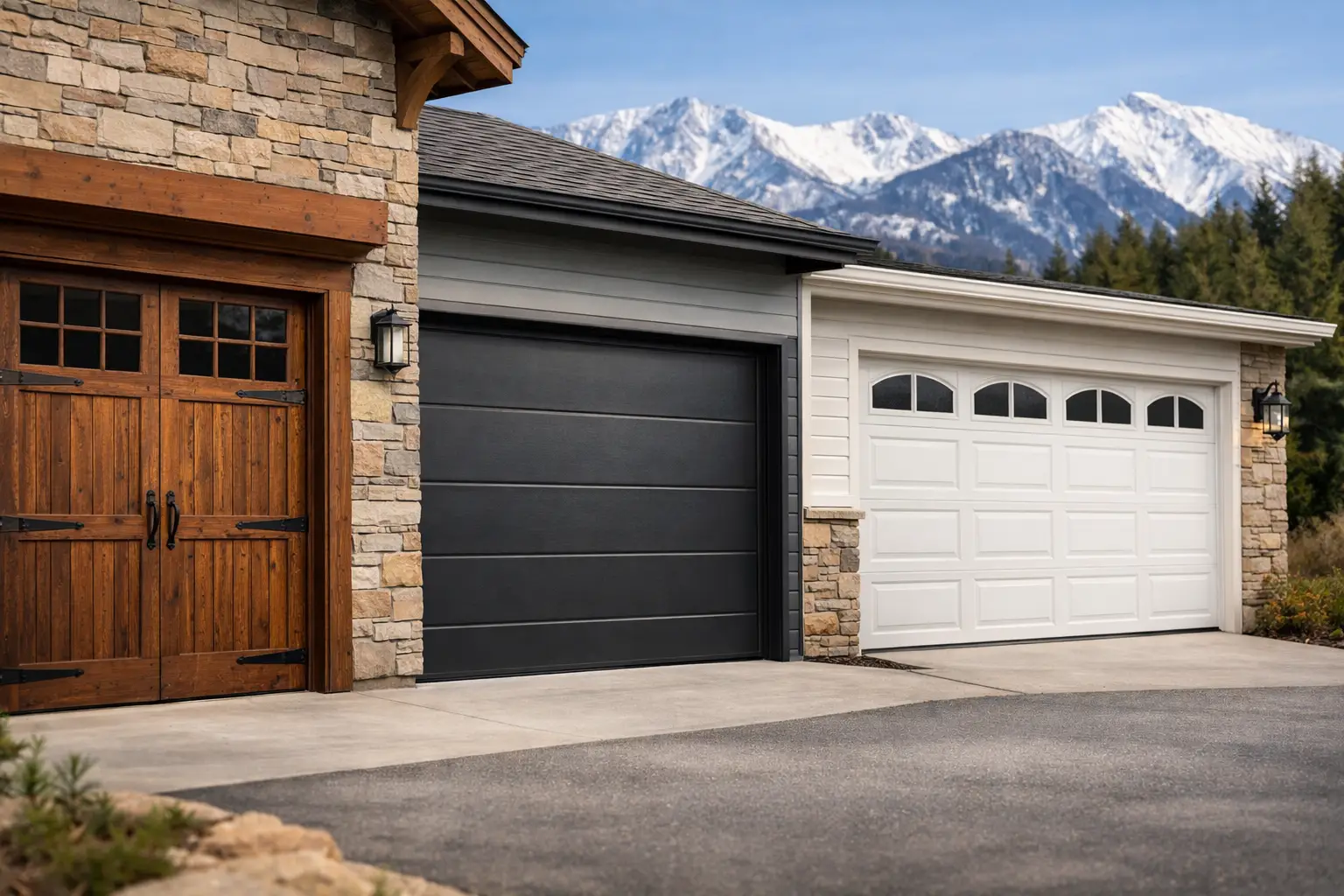
Before choosing a unit, consider the door's size, material, and condition. A standard single or double steel sectional door is usually straightforward. A solid wood door, insulated carriage-style door, oversized door, or commercial door often needs a more capable system. If the door strains, shakes, gets stuck, or reverses unexpectedly, have the door inspected before selecting an opener.
Choose the Right Opener Drive Type
The drive system affects noise, maintenance needs, price, and long-term performance. There is no single best choice for every home.
Chain-drive openers
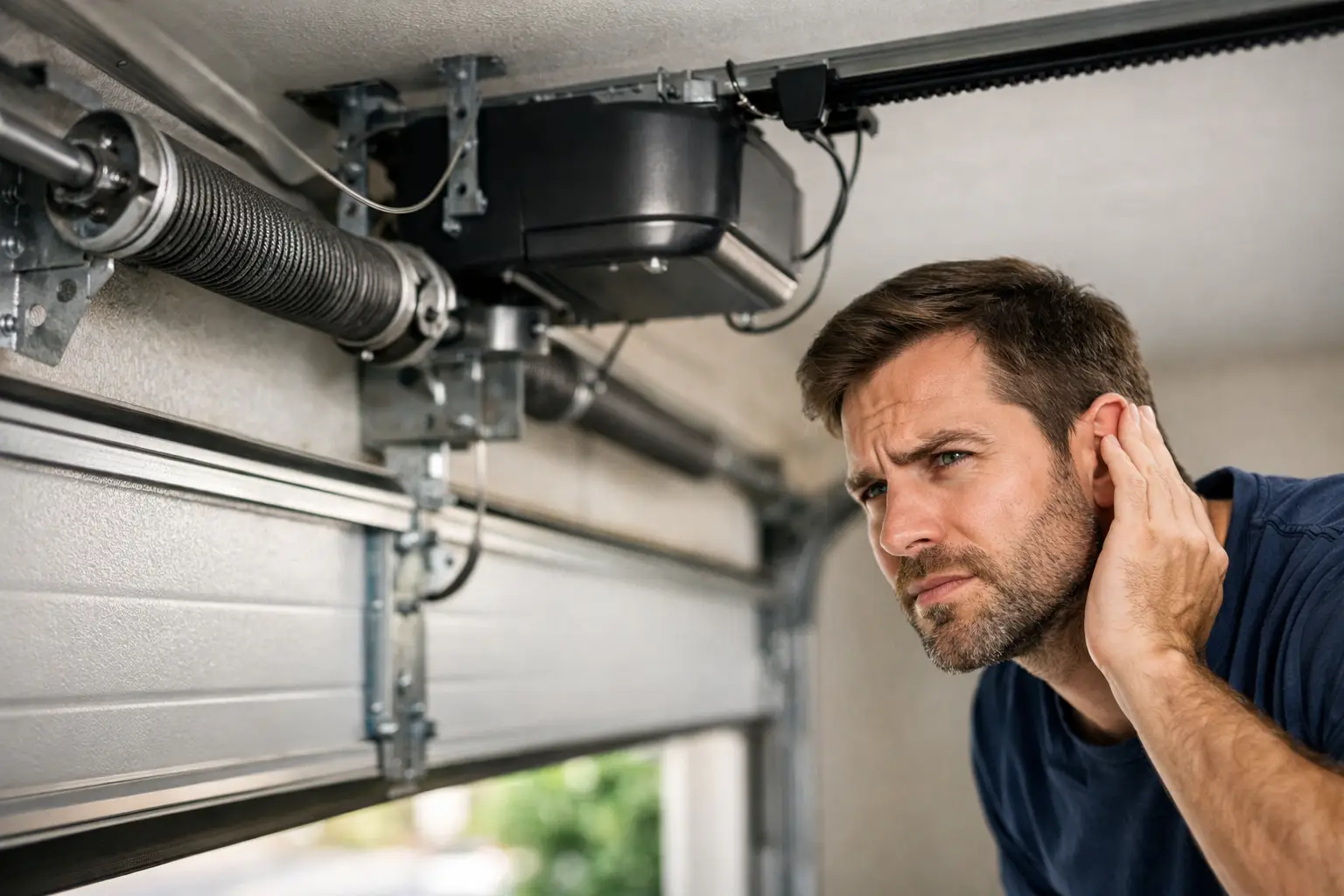
Chain-drive openers use a metal chain to move the trolley. They are a practical option for detached garages, rental properties, and homeowners who want reliable performance at a lower upfront cost. The trade-off is noise. You will hear the chain during operation, and it can be noticeable if there is a bedroom or living area above the garage.
Belt-drive openers
Belt-drive models use a reinforced rubber belt instead of a chain. They are usually the best fit for attached garages because they run much more quietly. They cost more than basic chain-drive units, but many homeowners find the quieter operation worth it, especially when early departures or late-night arrivals are part of the routine.
Screw-drive openers
Screw-drive systems move the trolley along a threaded steel rod. They have fewer moving parts than some designs and can work well for certain door types. However, performance can be affected by major temperature swings if the unit is not properly maintained. In Northern Colorado, where cold mornings and hot summer days can put equipment through its paces, installation quality and regular service matter.
Wall-mount or jackshaft openers
A wall-mount opener installs beside the garage door rather than overhead. This frees up ceiling space for storage, lights, or a vehicle lift. It is a smart choice for garages with high ceilings, limited headroom above the door, or a finished ceiling you would rather keep clear.
Wall-mount units generally cost more, and they require the right side clearance and a properly configured torsion spring system. They are not the automatic answer for every garage, but they are excellent when overhead space is valuable.
Motor Power: More Is Not Always Better
Many buyers focus on horsepower first, but the door's balance and condition are more important than buying the biggest motor available. For most standard residential doors, a quality opener with appropriate lifting capacity will work well when the springs and hardware are in good shape.
Heavier doors may call for a stronger opener, but a technician should first confirm that the springs are sized correctly. A door that is too heavy to lift manually is not a motor problem. It is usually a spring or balance problem, and continuing to run it can burn out a new opener.
For commercial properties, look beyond residential horsepower ratings. High-cycle overhead doors, rolling steel doors, and doors used throughout the workday need commercial-grade operators designed for frequent use. A unit that works fine for four cycles a day at home may not hold up at a busy shop or warehouse.
Safety Features Are Not Optional
Every modern opener should include photo-eye safety sensors near the bottom of the tracks. These sensors send an invisible beam across the opening. If a person, pet, bike, or object breaks that beam while the door is closing, the door should reverse.
Test the sensors monthly. Close the door using the wall button, then pass an object through the sensor path. The door should reverse immediately. Also test the door's reversing function by placing a flat object, such as a piece of wood, on the floor beneath the door. If the door does not reverse as it should, stop using it until the issue is repaired.
Look for an opener with rolling-code technology as well. This changes the access code after each use, making it harder for someone to copy a remote signal. It is a standard feature on reputable modern models and a worthwhile security upgrade from older openers.
Smart Features Worth Paying For
Smart garage door controls can be genuinely useful, but they are not essential for everyone. The best systems allow you to check whether the door is open, receive alerts, and operate the door from a phone app. That can save a trip home when you are unsure whether you closed the garage before leaving.
For families, activity alerts can be helpful when kids arrive home from school. For property managers, remote monitoring can reduce unnecessary site visits. Some systems also work with cameras, delivery access, or home automation platforms.
Still, do not choose an opener based only on an app. Wi-Fi features depend on a stable signal in the garage and may require account setup or periodic updates. A dependable wall button, remote, safety sensors, and manual release matter more than a long list of connected features.
Do Not Skip Battery Backup
A battery backup lets the opener operate during a power outage. That is a useful feature in any home, but it is especially valuable when a storm, wind event, or utility interruption leaves a garage door closed with your vehicle inside.
Without battery backup, you can still use the manual emergency release, provided you can safely access it from inside the garage. That is not always convenient when the garage is your main entry point or when someone in the household has limited mobility. Battery backup adds cost, but for many families it is cheap insurance against being stuck.
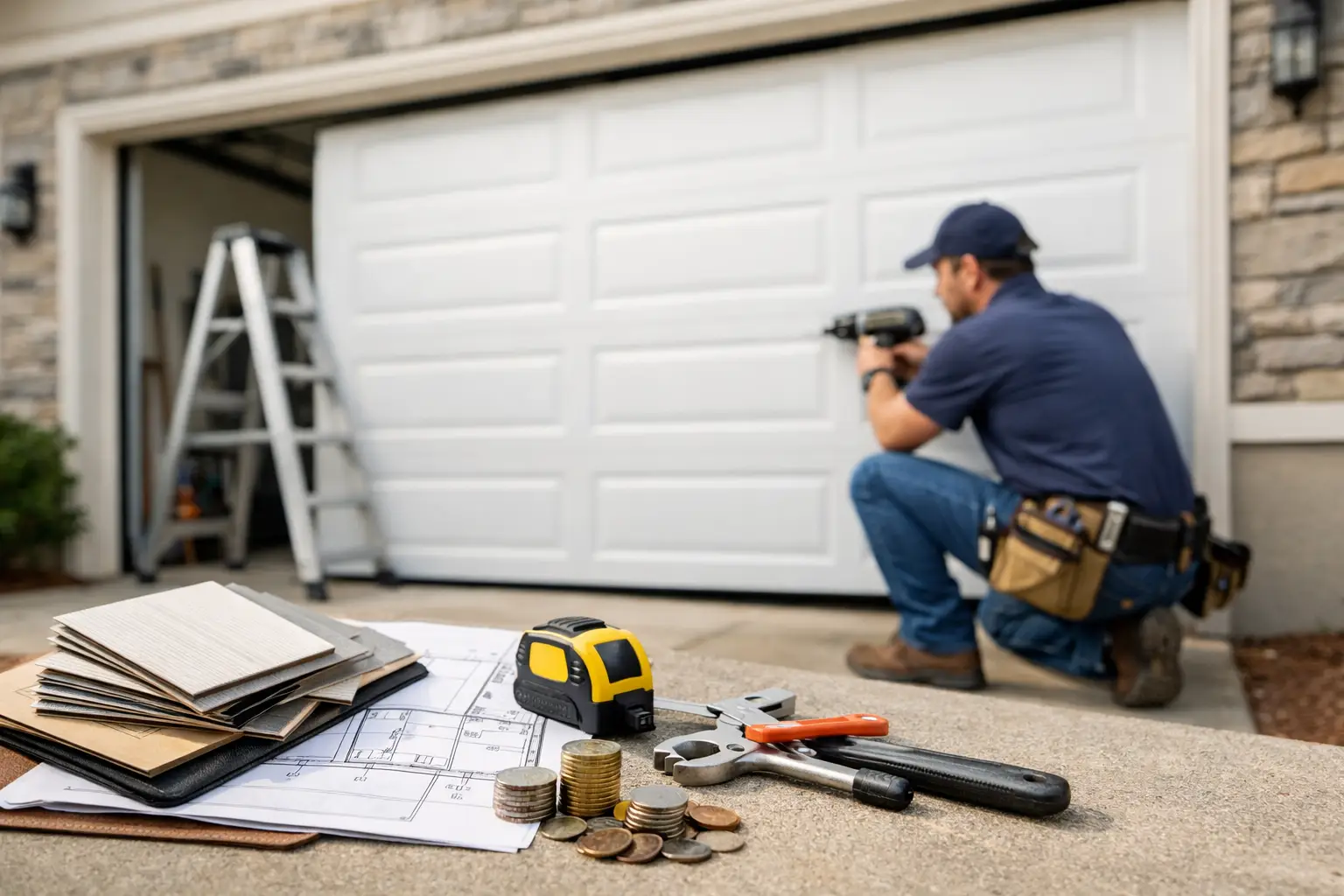
Budget for Installation and Door Repairs
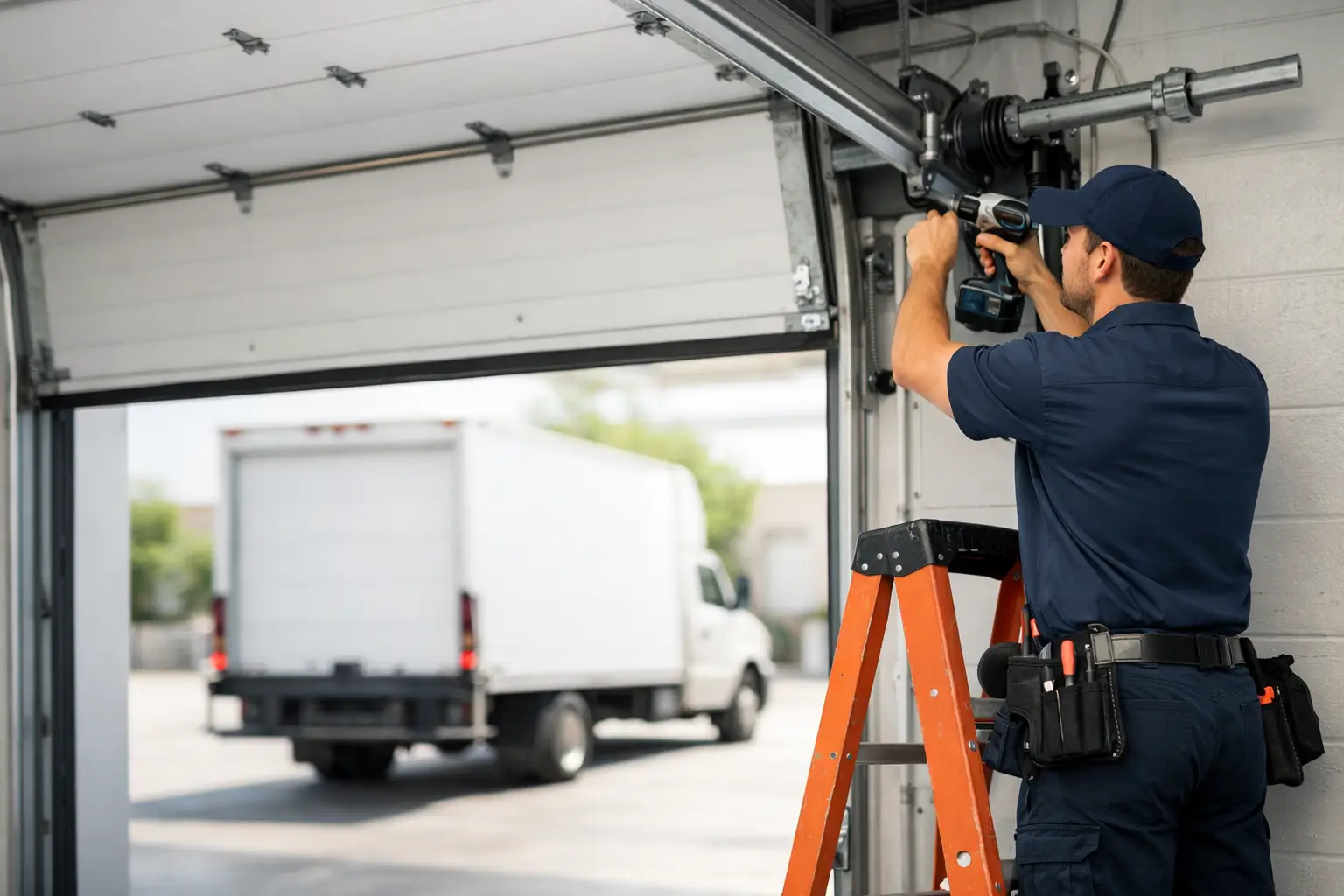
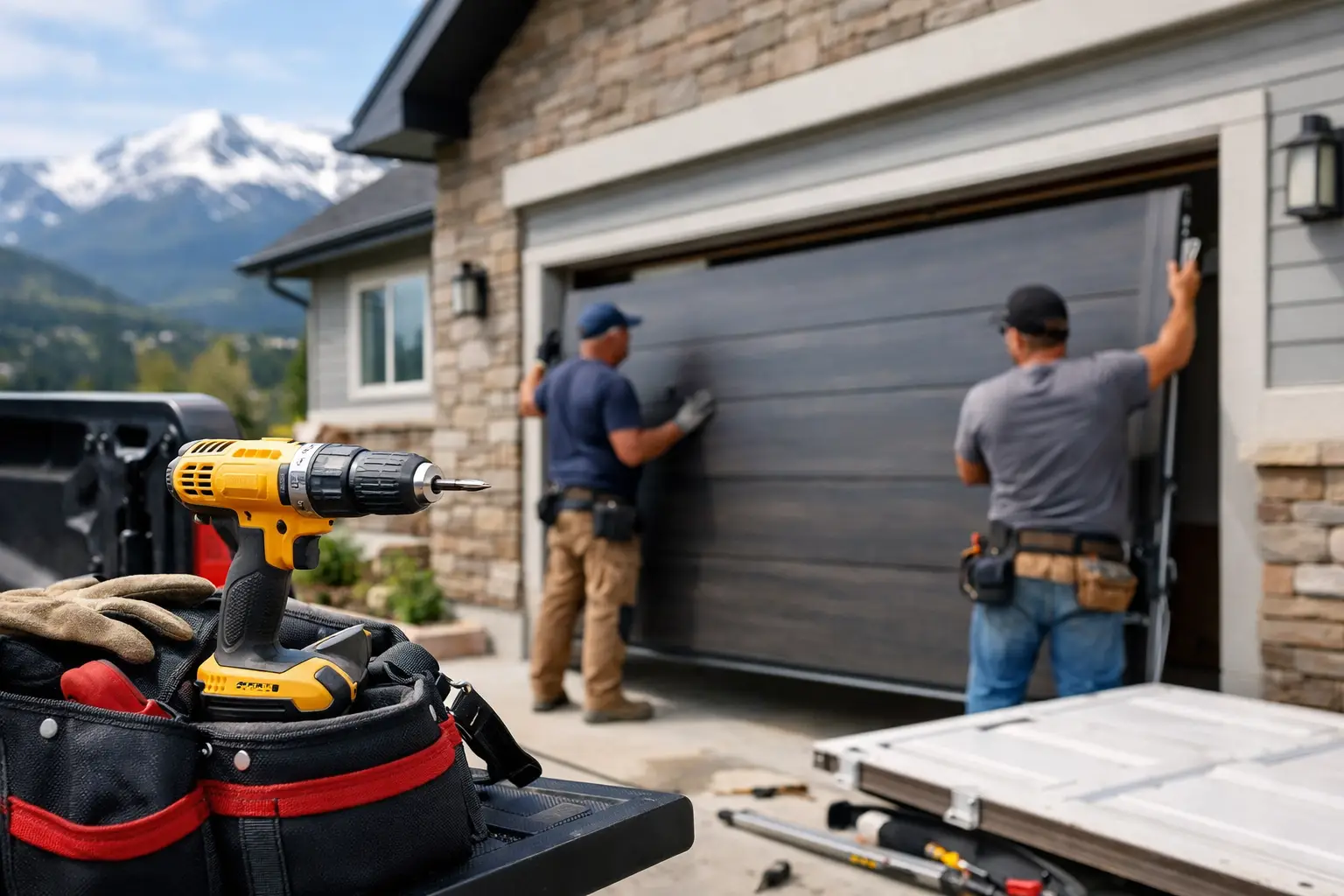
The price of an opener is only part of the purchase. Installation may include removing the old unit, assembling and mounting the new opener, setting travel limits, programming remotes, aligning safety sensors, and testing the system. If the door has worn rollers, weak springs, a damaged bottom seal, or loose hardware, those issues should be addressed at the same time.
A basic chain-drive opener typically costs less than a quiet belt-drive unit, while wall-mount models and feature-rich smart openers cost more. The final price depends on the opener model, the door's condition, required electrical work, and whether repairs are needed before installation. Ask for a clear upfront estimate that separates the opener, installation, and any recommended door repairs.
Be cautious with unusually low advertised pricing. A garage door system is under significant tension, and rushed installation or skipped safety checks can create problems later. The lowest quote is not always the best value if it leaves you with an unbalanced door, poorly aligned sensors, or no workmanship protection.
When Repair Makes More Sense Than Replacement
You may not need a new opener if the problem is a worn gear, bad capacitor, damaged remote, misaligned safety sensor, broken trolley, or faulty wall control. In many cases, a repair restores reliable operation for less than replacement.
Replacement is usually the better call when the opener is older, parts are no longer available, the motor is failing, or the unit lacks modern safety and security features. It also makes sense when repeated repairs are adding up. A local technician can explain the difference plainly and help you compare the cost of repair against a new installation.
A Practical Opener Buying Guide Checklist
Before you choose, confirm that the door is balanced and in good repair. Then select a drive type that fits your noise tolerance and garage layout, choose enough capacity for the actual door, and prioritize safety sensors, rolling-code security, and battery backup. Add smart controls if they solve a real need for your household.
For homeowners in Greeley, Evans, Windsor, and Ault, weather changes and daily use can expose weak garage door hardware fast. A properly matched opener, installed on a balanced door, is the best way to avoid the frustration of a door that quits when you need it most. If you are unsure which model fits your garage, a hands-on inspection can save you from buying the wrong unit and paying twice.