
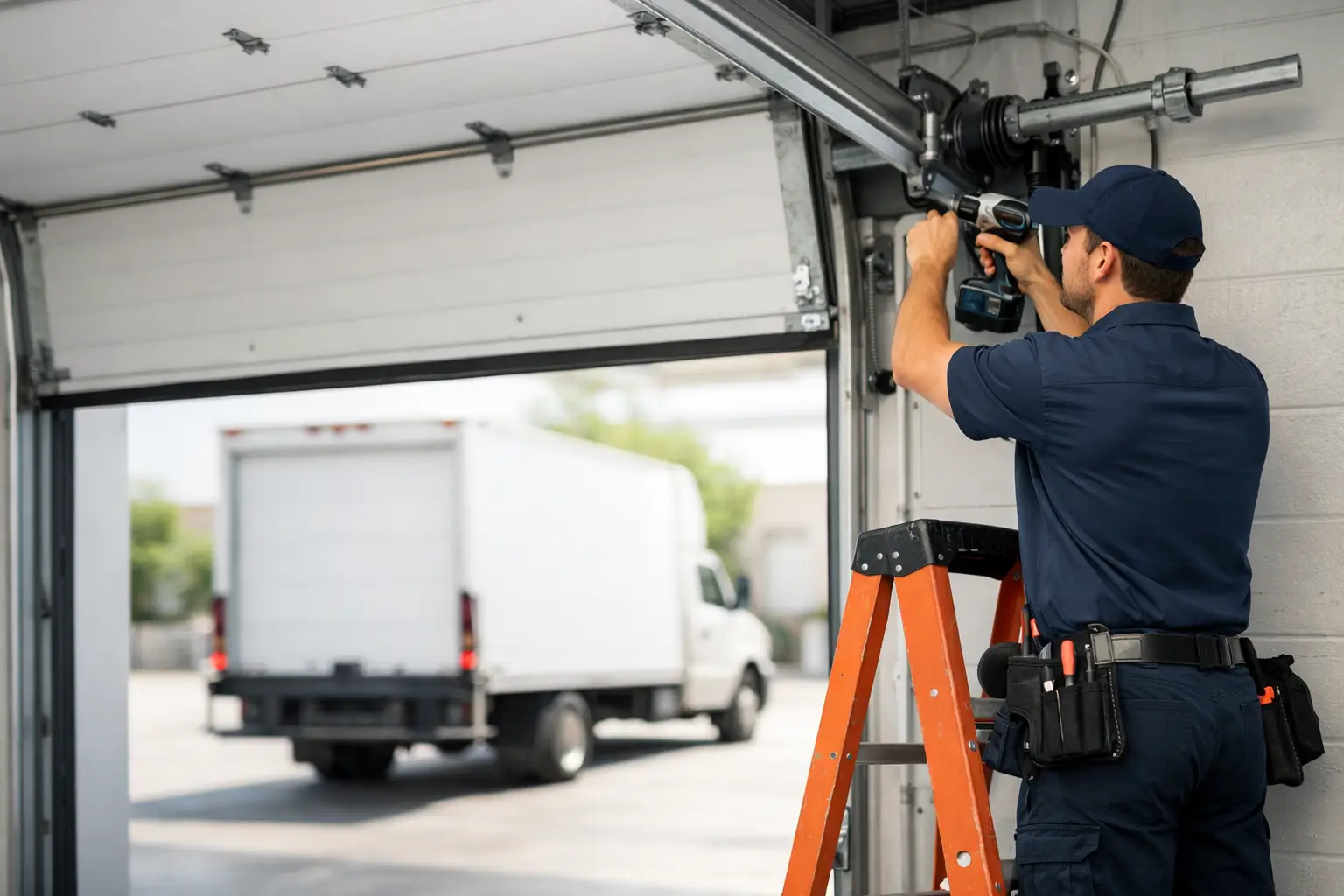
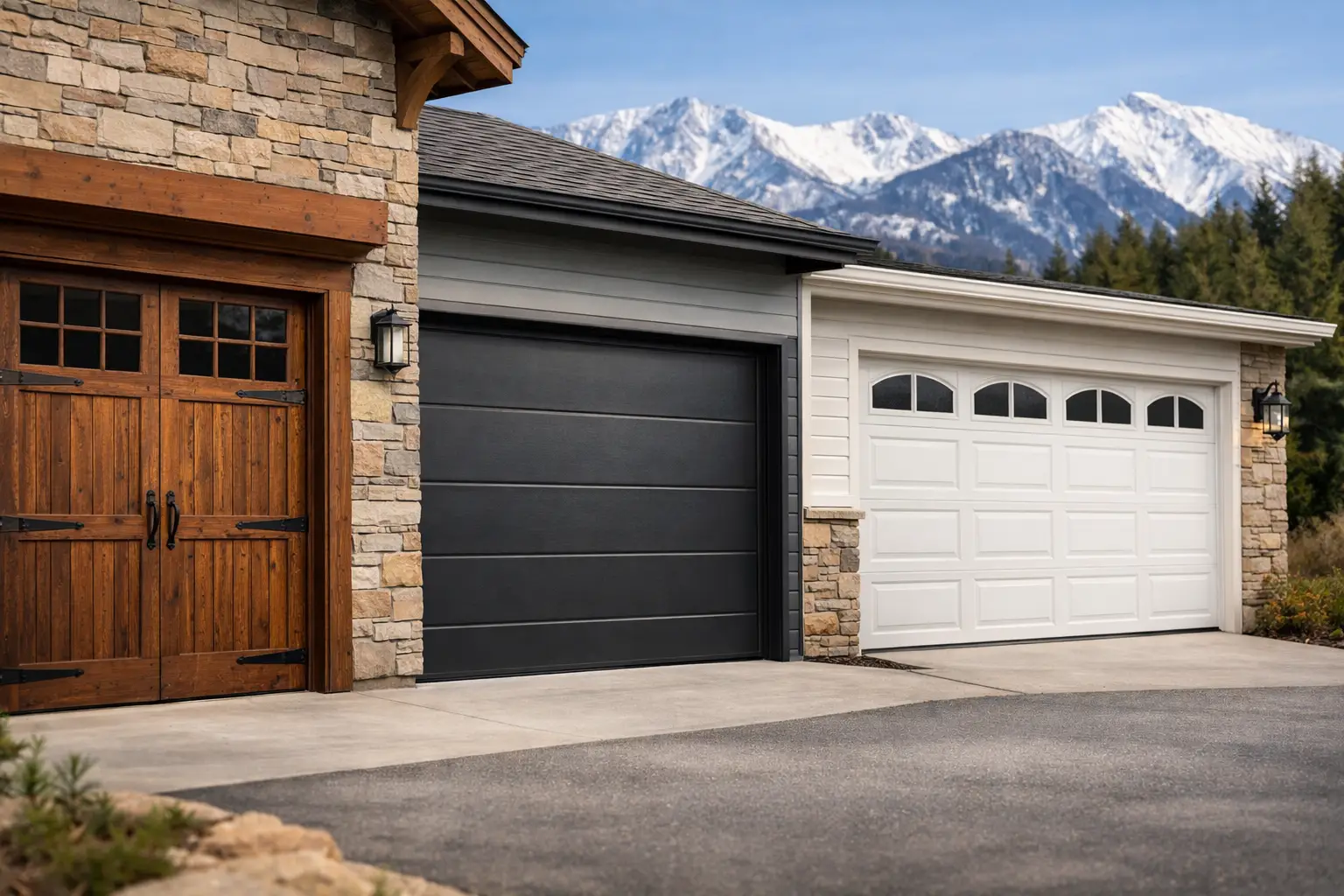
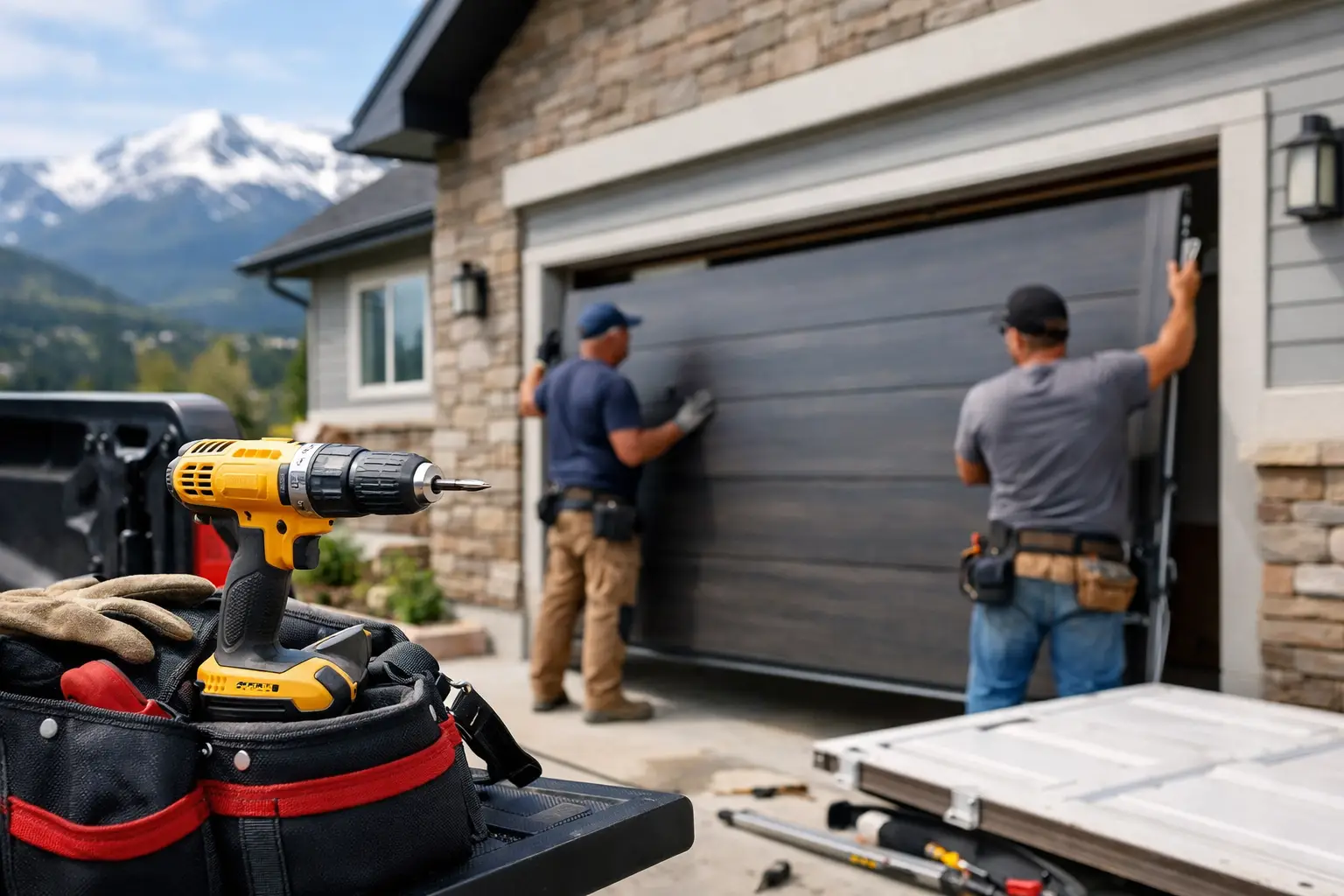
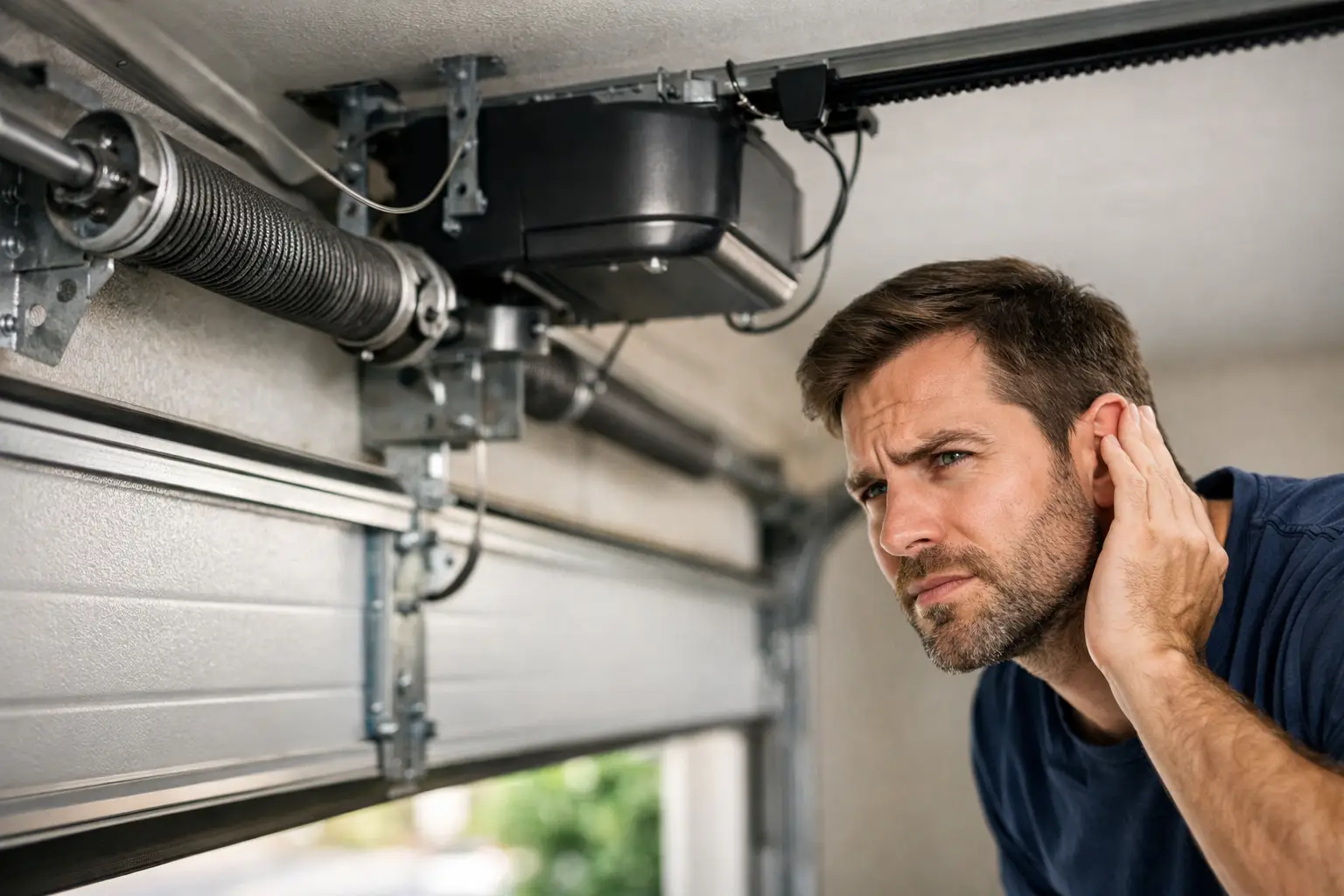
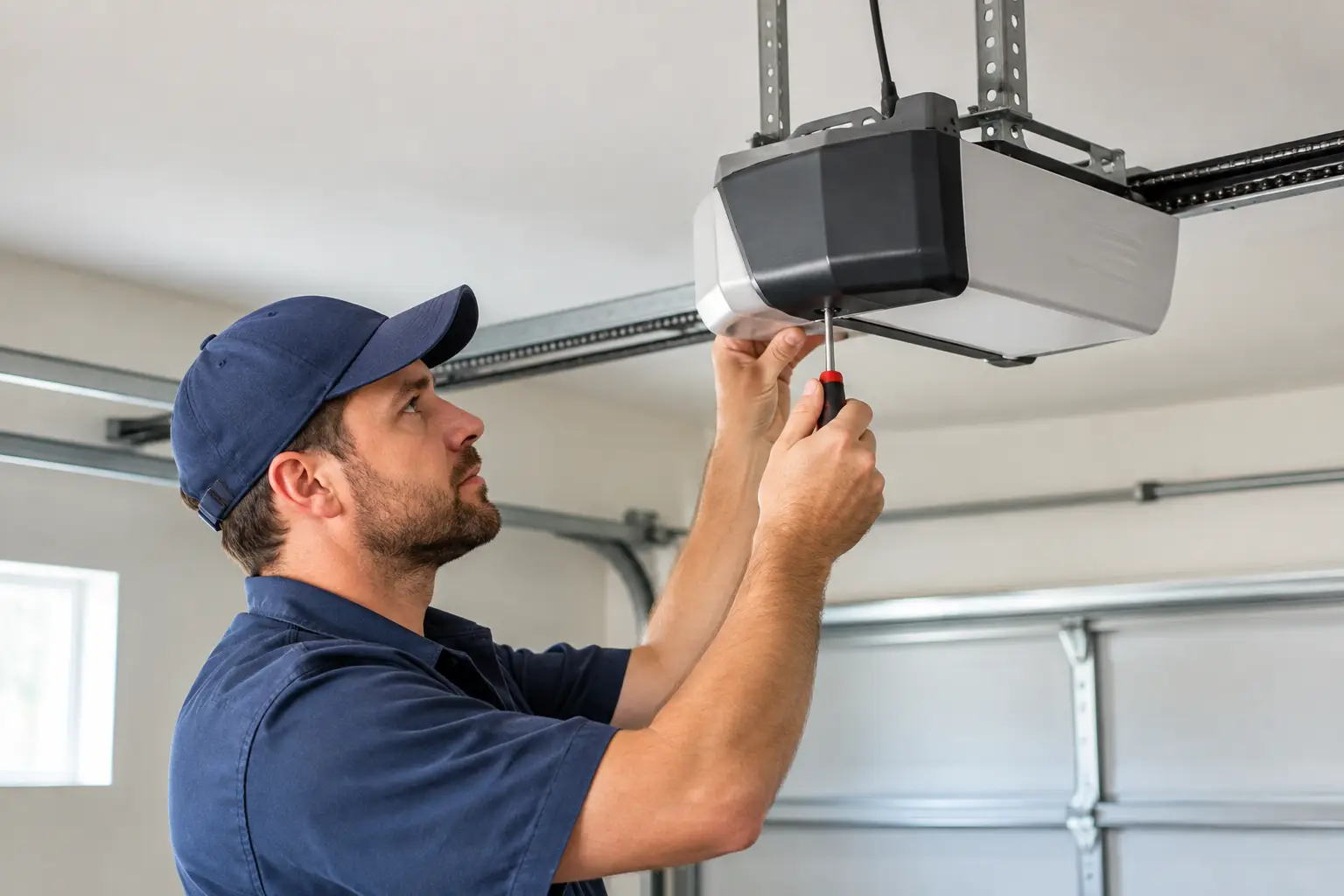
A garage door that will not open when you are headed to work is more than an inconvenience. Garage door operators control one of the heaviest moving parts in your home, and a problem can leave your car trapped, your garage unsecured, or your family trying to lift a door that should not be lifted by hand.
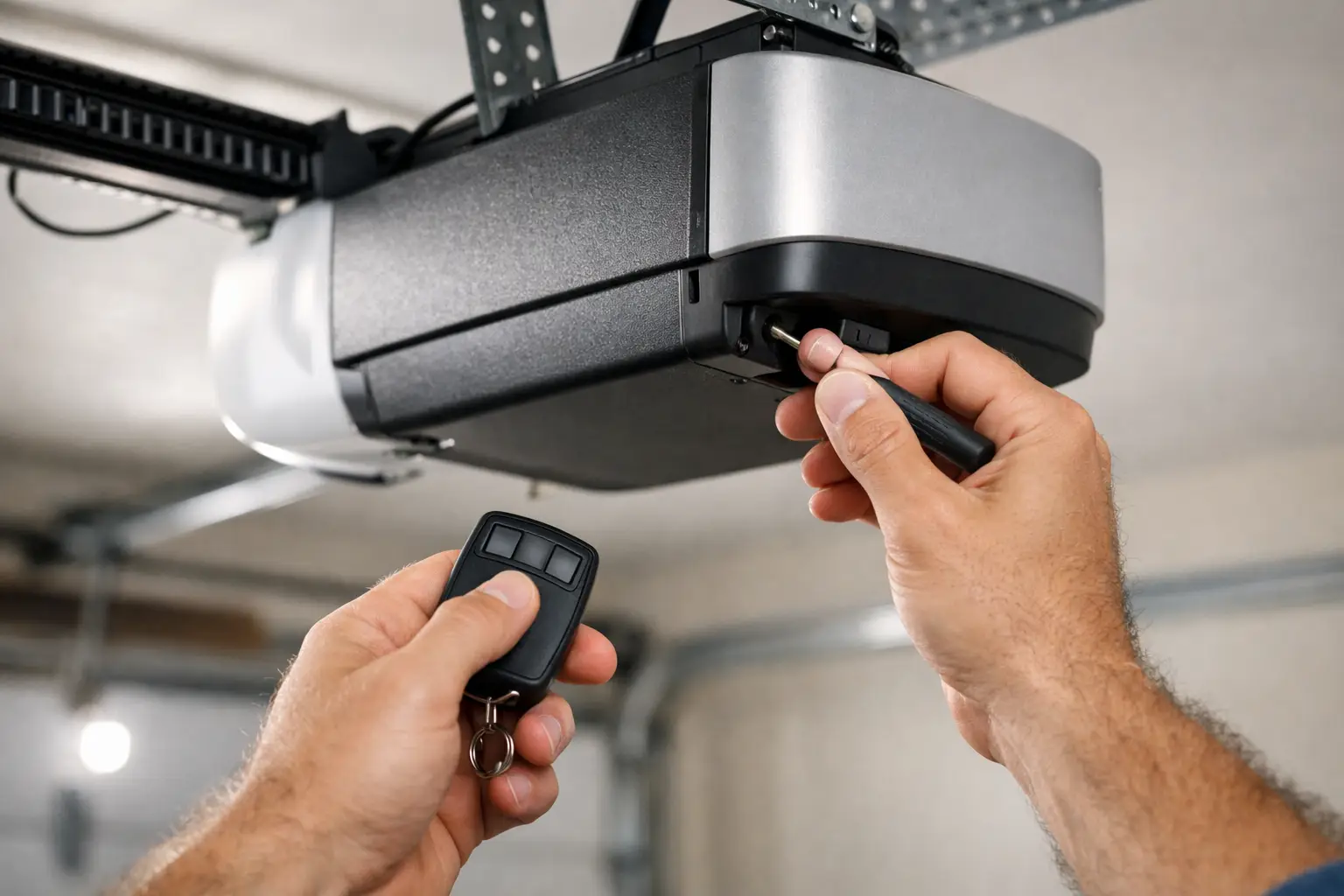
Homeowners often call the whole system an opener, and that is perfectly fine. Technically, the operator is the powered unit that moves the door through a rail, belt, chain, screw drive, or direct-drive setup. The operator may be the problem, but it is not always the cause. A broken spring, worn rollers, damaged cable, or door that is off track can make a good operator look bad.
What Garage Door Operators Actually Do
The operator provides controlled lifting power, but the springs do most of the heavy lifting. When springs are correctly sized and working, even a large residential door should feel reasonably balanced by hand. The operator then guides the door through its travel, stops it at the right points, and reverses it when its safety system detects an obstruction.
That is why an operator that strains, jerks, or hums is not automatically worn out. It could be trying to pull a door with a broken spring or excessive friction. Replacing the motor without correcting the door problem can shorten the life of the new unit and leave you paying twice for the same issue.
A technician should check the door balance, tracks, rollers, hinges, cables, spring system, sensors, and operator settings before recommending replacement. It is the practical way to separate a repairable issue from an operator that has reached the end of its useful life.
Signs Your Garage Door Operator Needs Attention
Some failures are obvious. The wall button does nothing, the remote no longer works, or the motor runs while the door stays put. Other warning signs build slowly and are easy to ignore until the door stops moving at the worst time.
A loud grinding sound can point to stripped internal gears, particularly in older chain-drive units. A repeated clicking noise near the floor is often related to misaligned safety sensors. If the door starts down and immediately reverses, the photo-eye sensors may be blocked, dirty, or out of alignment. Sun glare, snow buildup, and a bumped sensor bracket can all create this problem.
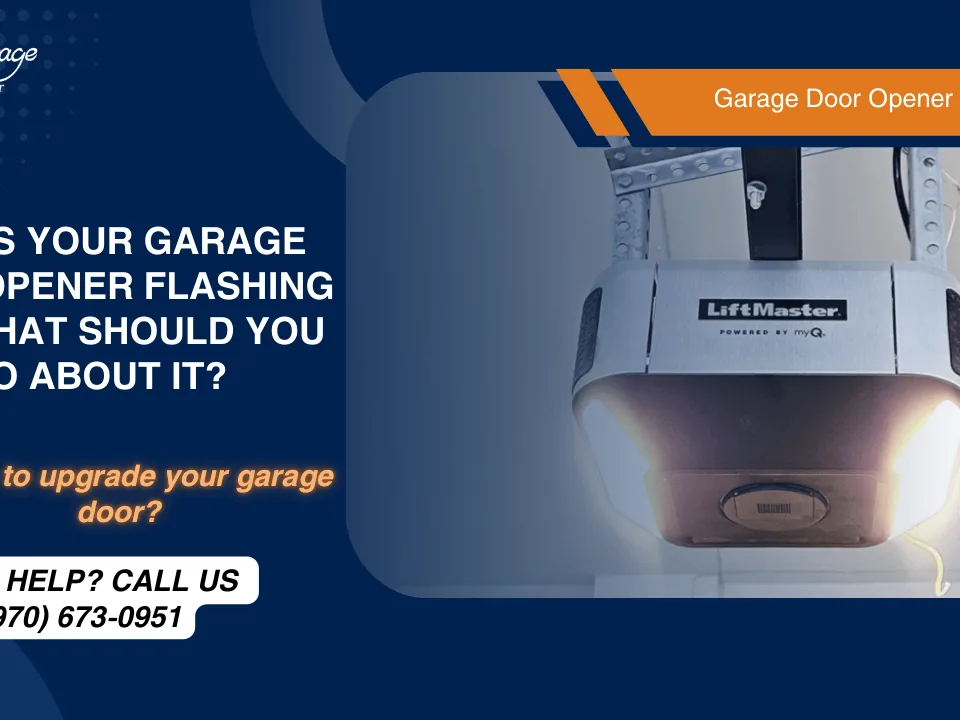
A door that opens partway and quits may have incorrect travel limits, a damaged trolley, a worn gear, or a door that has become too heavy for the operator to move. If the operator light flashes but the door will not close, look first for sensor trouble. If the unit has no power at all, check the outlet and breaker before assuming the operator has failed.
Do not keep pressing the remote when the door is binding or only moving a few inches. Repeated attempts can damage the operator, strip gears, or worsen a cable and track issue. If a spring is broken, the door can be dangerously heavy even when the operator still makes noise.
Repair Makes Sense When the Core Unit Is Sound
Many operator problems can be fixed without replacing the entire unit. Common repairs include sensor alignment, remote programming, worn gears, a faulty wall control, loose wiring, limit-switch adjustments, a damaged trolley, or replacement of a capacitor or circuit board. A properly functioning unit with a single failed component is usually a good repair candidate.
Repair is also sensible when the operator is relatively new, has dependable safety features, and is matched to the size and weight of the door. The goal is not to sell a new unit when a straightforward fix will restore safe, reliable operation.
The price depends on the failed part, operator brand, and whether the door itself needs work. A basic sensor or adjustment visit is generally far less than a complete operator installation. Before work begins, ask for a clear explanation of what failed, what the repair includes, and whether the part carries a warranty.
Replacement Is Often Better for Older or Unreliable Units
Replacement becomes the better value when an operator has repeated breakdowns, obsolete safety equipment, a failing motor, or costly internal electronics. If the unit is 10 to 15 years old and needs a major board, gear, or motor repair, putting that money toward a newer operator may be the smarter move.
Modern units can be noticeably quieter, especially belt-drive models. They also offer better lighting, battery backup options, smart-phone control, motion detection, and more dependable safety sensors. Those features are useful, but the right choice still depends on your garage, door weight, and daily use. A basic chain-drive operator can be a reliable fit for a detached garage, while a belt-drive unit is often worth the added cost for an attached garage below a bedroom.
For a typical residential installation, a new operator can range from a few hundred dollars for a standard model to substantially more for premium, high-lift, heavy-door, or smart-enabled setups. The installed price should include the operator, rail, controls, safety sensors, programming, and removal of the old unit. If your door is unbalanced, that repair should be addressed separately before the new operator is put to work.
Choosing the Right Operator for Your Door
Horsepower labels can be confusing. More power is not a substitute for proper springs and a well-maintained door. For most standard single and double residential doors, a correctly installed operator with the appropriate lifting capacity will do the job well. Heavier insulated doors, solid wood doors, oversized doors, and commercial doors may need a higher-capacity model or a commercial-grade operator.
Drive type matters most for noise, maintenance, and budget. Chain drives are durable and familiar, but they are usually louder. Belt drives are quiet and popular for attached garages. Screw drives have fewer moving pieces but can be affected by temperature changes and require the right maintenance. Jackshaft operators mount beside the door rather than overhead and can be a strong option where ceiling space is limited, although they require compatible door and track conditions.
For small businesses, warehouses, and property managers, the decision is different. A door that cycles dozens of times a day needs an operator and spring system rated for that level of use. Residential equipment on a high-cycle commercial opening often leads to early failure, lost access, and avoidable downtime.
Safety Checks You Should Not Skip
Garage door operators are safety devices as much as convenience devices. Test the auto-reverse function about once a month by placing a solid object, such as a piece of lumber, flat on the floor in the door's path. The door should reverse when it contacts the object. Also test the photo-eye sensors by starting the door down and passing an object through their beam. The door should stop and reverse.
Keep the sensor lenses clean and make sure both sensor lights are on and steady. Do not bypass the sensors, tape them in place, or disable the reversing feature to get the door closed. That shortcut can create a serious injury risk for children, pets, and anyone passing through the opening.
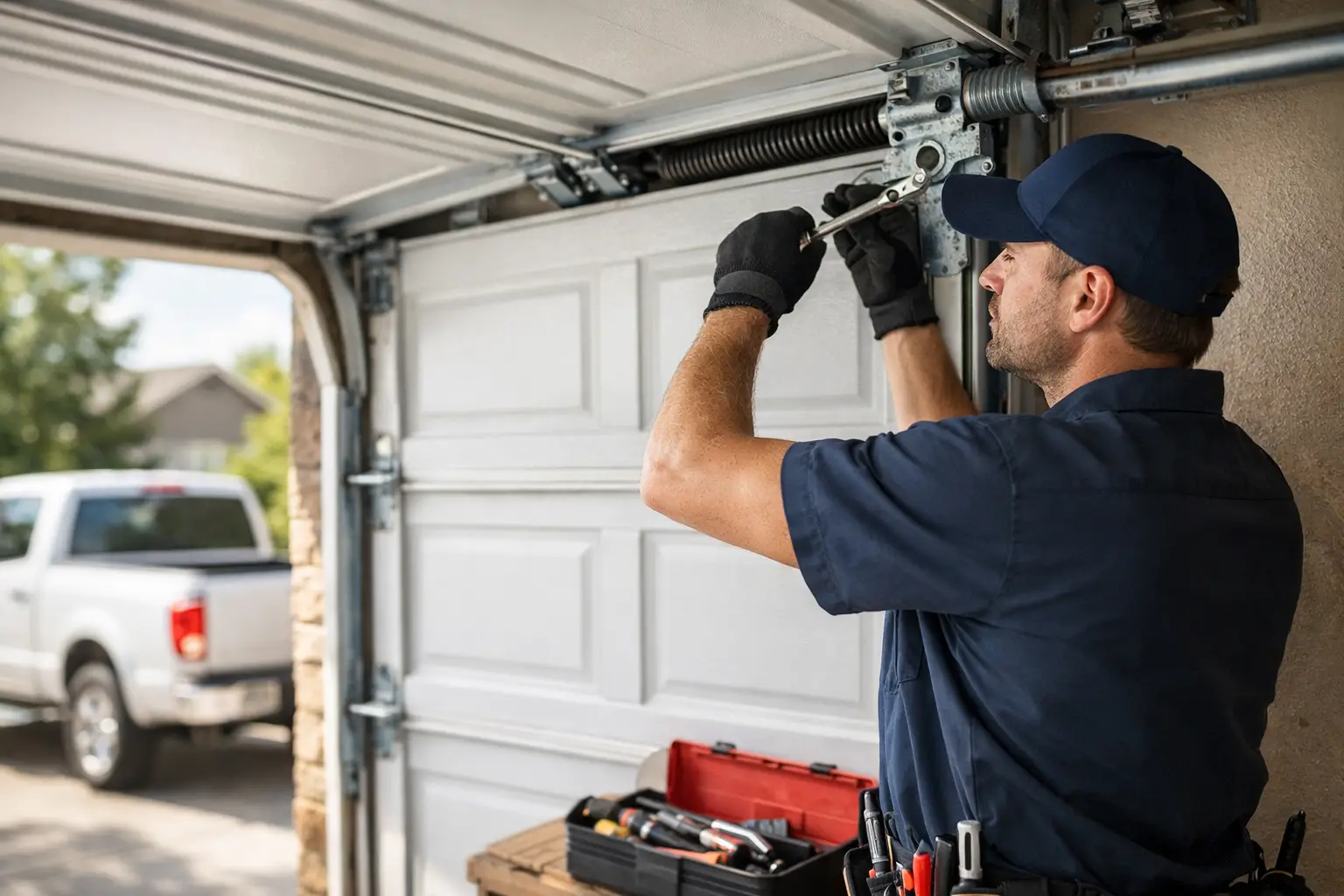
You can also help your operator last longer by keeping the door hardware maintained. Lubricate moving metal parts with garage-door lubricant, not heavy grease, and listen for new scraping or popping sounds. Leave spring, cable, and high-tension adjustments to a trained technician. Those parts can cause severe injuries when handled incorrectly.
When to Call for Same-Day Help
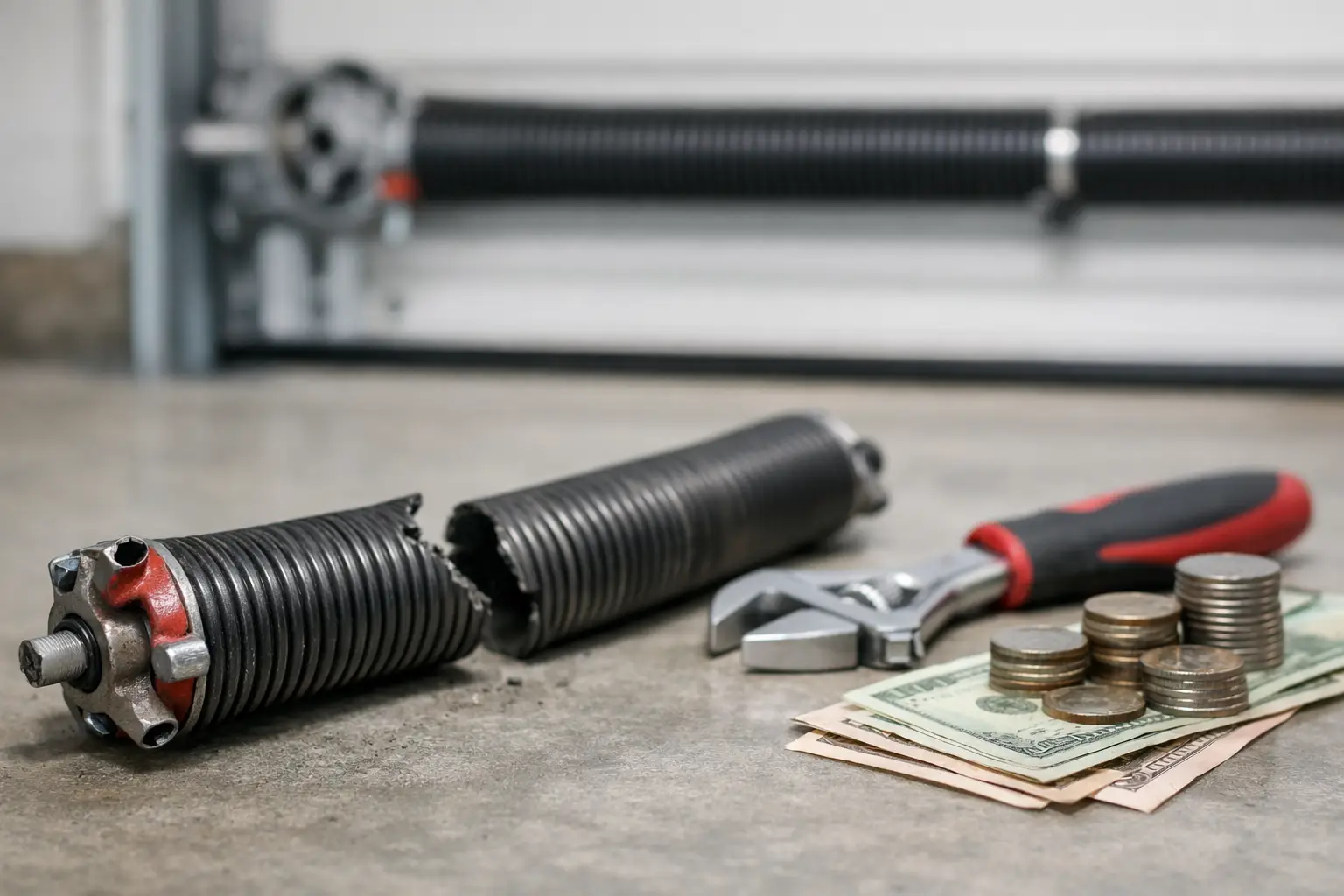
Call for service promptly if the door is stuck open, will not close securely, hangs crooked, has a loose cable, or makes a loud bang followed by operator trouble. A bang is often a broken torsion spring. If that happens, do not pull the emergency release and try to lift the door unless a professional tells you it is safe to do so.
For homeowners in Greeley, Evans, Windsor, and Ault, fast diagnosis matters because the weather can turn a garage problem into a security or exposure problem quickly. A stocked local service truck can often handle operator issues, spring replacement, and common door repairs in one visit. Greeley Garage Door Repair by Mike provides clear upfront pricing and workmanship backed by a lifetime warranty, so you know what is being fixed before the work starts.
If your operator is acting up, treat the door and the motor as one system. A quick inspection now can prevent a failed morning departure, protect the operator you already own, and keep a small repair from becoming a full garage-door emergency.