
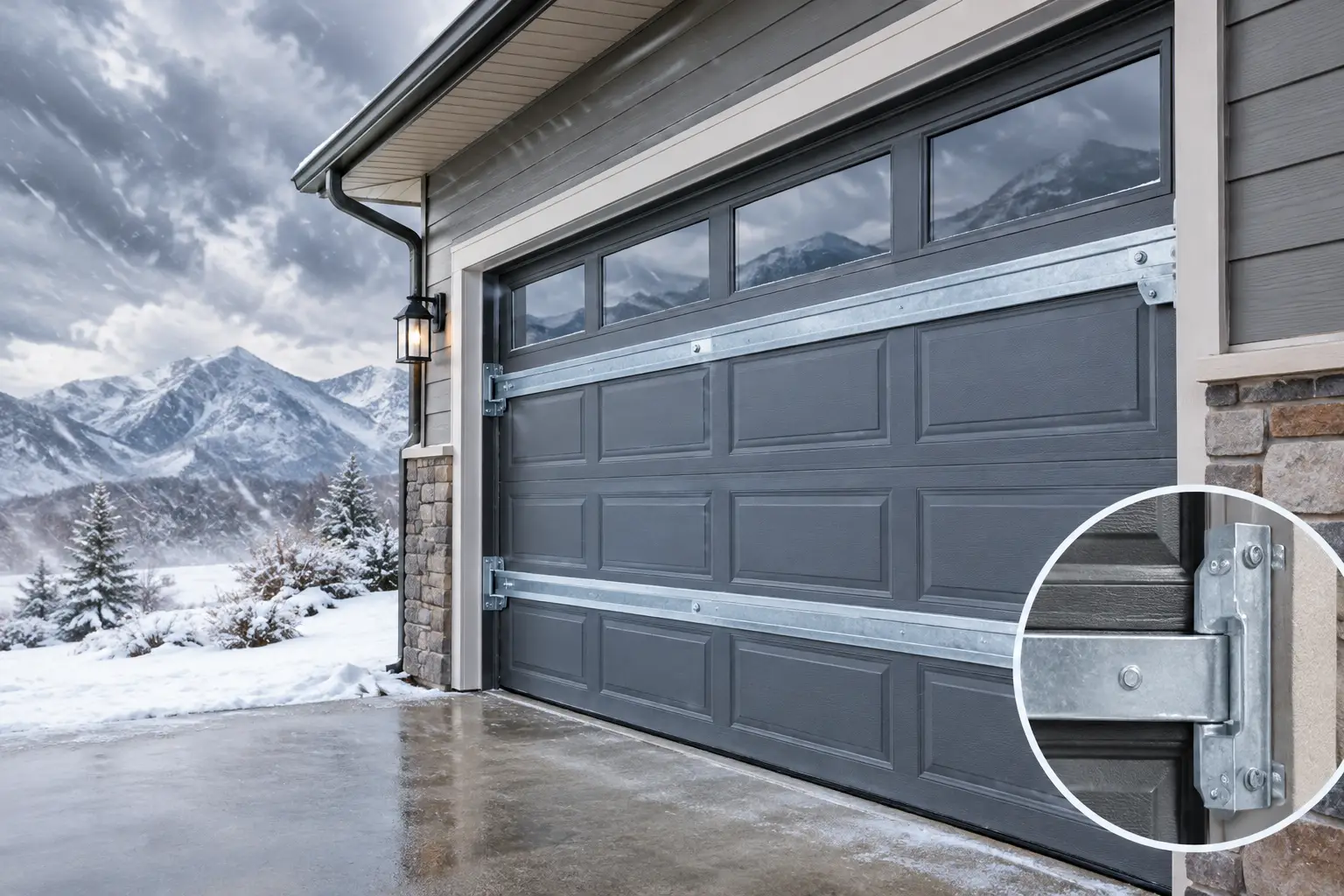
A garage door is one of the largest moving parts of your home, and it is also one of the widest openings in the exterior wall. When high winds push against a weak door, the problem can go beyond a bent panel. A door that bows, comes off its tracks, or gives way can allow wind and debris into the garage, putting the roof, walls, and everything stored inside at greater risk. Garage door reinforcement is about making that opening stronger before a storm or a hard-working winter exposes its weak points.
For homeowners in Greeley and nearby Northern Colorado communities, reinforcement is not only a storm-prep project. It can also help a door handle years of daily use, temperature swings, vibration, and the occasional bump from a vehicle or piece of equipment. The right solution depends on the door you have, its condition, and what is actually causing the weakness.
What Garage Door Reinforcement Actually Does
Most residential sectional garage doors are made of several horizontal panels that travel up curved tracks. Reinforcement adds support so those panels are less likely to flex under wind pressure or sag over time. The most common reinforcement is a steel strut installed across the inside of a door section, usually along the top edge.
A strut spreads the load across the width of the panel instead of letting force concentrate around the hinges, center of the panel, or opener connection point. On a wide double-car door, this can make a noticeable difference. Wider doors have more surface area for wind to push against and are more likely to bow in the middle if they are underbuilt or aging.
Reinforcement can also involve stronger brackets, properly secured tracks, upgraded hardware, or bracing that supports the entire door opening. It is not a one-size-fits-all upgrade. A strut may help a sound door resist flexing, but it will not solve rotten framing, loose track bolts, cracked panels, or a door that is already badly out of alignment.
Signs Your Door May Need Reinforcement
A door does not have to fail in a storm to show that it needs attention. Look at it while it is closed from inside the garage. If the top section bends when the opener starts moving, that is a common warning sign. The opener arm pulls on one point near the center of the door, and an unsupported top panel can flex every time the door opens.
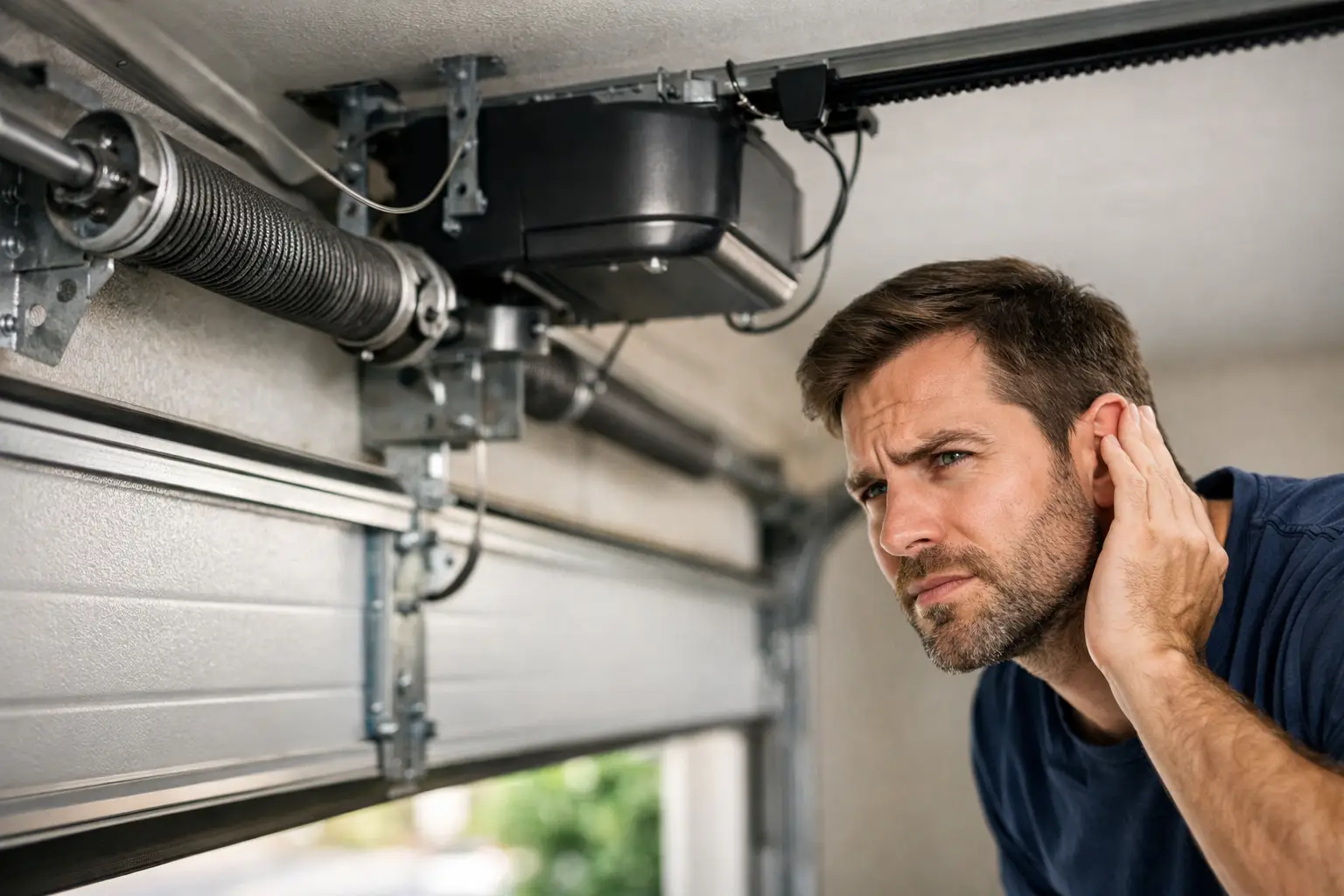
You may also notice the door rattling heavily, panels that look bowed, hinges pulling away from thin metal, or a gap that appears along the sides or top when the door is closed. A door that shakes or binds during travel may have a track, roller, spring, or balance problem instead of a reinforcement problem, but those issues should be checked promptly.
Pay close attention after a strong wind event, hailstorm, or accidental impact. A small crease in a steel panel can weaken that area. If the door was hit by a vehicle, do not assume it is fine because it still opens. Damaged sections can put added stress on rollers, cables, hinges, and the opener until a bigger failure occurs.
The Reinforcement Options That Make Sense
Horizontal steel struts
Steel struts are the most common answer for doors that flex across their width. They are mounted on the interior side of the panel and are often installed on the top section, where opener force and wind pressure can be most noticeable. Some doors benefit from struts on multiple sections, particularly wide doors or doors in exposed locations.
The trade-off is weight. Every added strut changes the door's overall weight and can affect spring balance. A properly reinforced door should still be balanced, with springs sized for the final door weight. Adding hardware without checking the counterbalance system can make the opener work harder and shorten its lifespan.
Wind-load reinforcement systems
Some doors can be upgraded with manufacturer-specific wind-load kits or heavier reinforcement components. These may include additional struts, upgraded center stiles, heavier gauge track, stronger jamb brackets, or bracing that ties into the wall structure.
This route is most useful when a homeowner wants more meaningful wind resistance without replacing the whole door. It depends on the make, model, panel condition, and local code requirements. Not every older door can be upgraded to meet a specific wind rating, and no technician should promise that it can without inspecting the door and confirming the available components.
Stronger track and jamb support
The tracks guide the door, but the brackets anchoring them to the framing are just as important. If the track hardware is loose, the wood around the lag screws is split, or the vertical tracks are bent, adding panel struts alone will not create a safe system.
A technician may recommend new jamb brackets, additional fasteners into solid framing, or track replacement when there is visible damage. This is especially relevant for commercial overhead doors and doors that cycle frequently. The door needs to be strong, but it also needs a secure path to travel.
Replacing damaged or undersized sections
Sometimes replacement is the better value. Thin, cracked, rusted, or severely dented panels do not become dependable simply because a brace is added. Reinforcement can sometimes hide a weakness while leaving the underlying material compromised.
If several sections are damaged, the door lacks insulation, or replacement parts are no longer available, a new insulated door may be the more practical long-term choice. New doors can offer stronger construction, better weather sealing, quieter operation, and a design that fits the home. A straightforward inspection can help separate a worthwhile repair from money spent extending the life of a failing door.
Reinforcement Is Not a DIY Job for Every Door
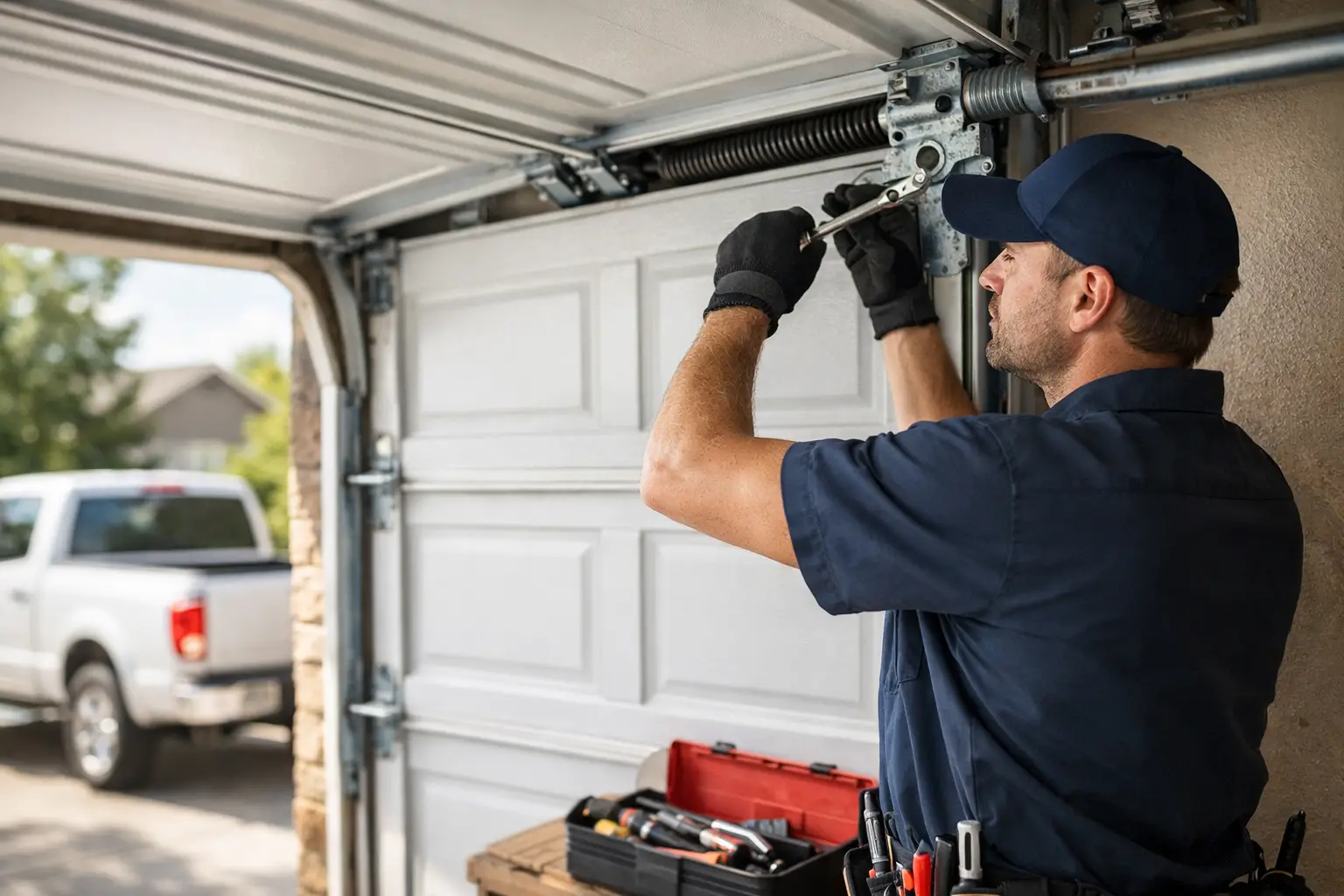
Installing a simple strut may look easy, but garage doors are connected to springs under extreme tension. The risk is not usually the strut itself. The risk comes from working around a door that is unbalanced, lifting sections by hand, moving track hardware, or making changes that affect the spring system.
Avoid loosening cables, bottom brackets, torsion spring hardware, or center bearing plates. Those components can release dangerous stored energy. Also avoid drilling wherever it seems convenient. A misplaced fastener can interfere with hinges, rollers, insulation, or the path of the opener arm.
Temporary braces are another area where homeowners should be careful. Some storm bracing systems are designed to be installed before severe weather and removed afterward, but they must be rated for the door and anchored correctly. A homemade board wedged against a door may seem helpful, yet it can fail under load or create new damage when the door moves.
Do Not Forget the Opener and Balance
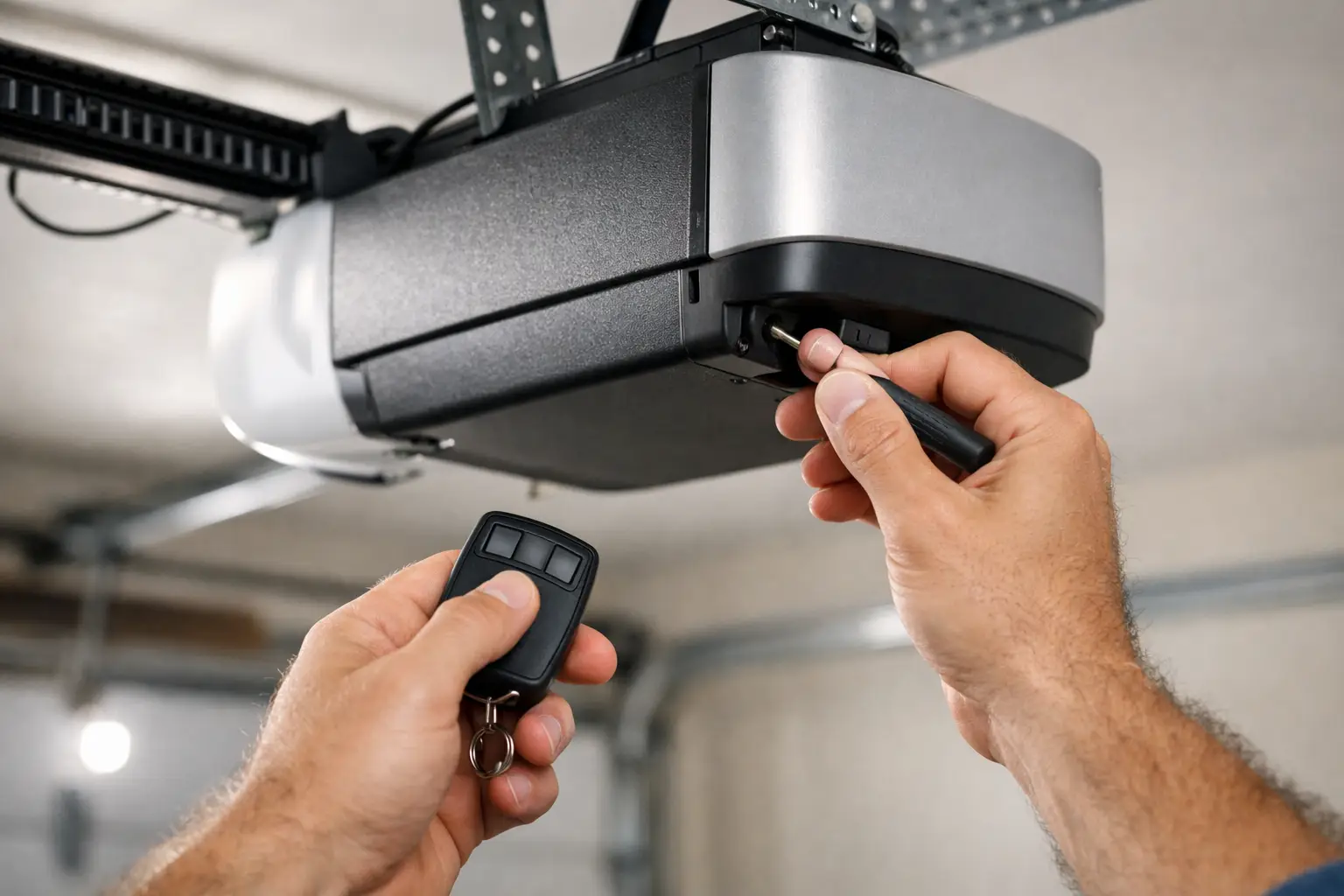
A reinforced door should still open smoothly and close evenly. If it becomes noisy, jerky, or unusually slow after reinforcement, stop using it until the balance and hardware have been checked. An opener is designed to guide a properly balanced door, not haul a heavy door with weak springs.
This is why a complete garage door inspection matters. A qualified technician should check spring tension, cable condition, roller wear, hinges, track alignment, the opener rail, safety sensors, and mounting points along with the reinforcement itself. The best repair is the one that addresses the full cause of the problem instead of adding one part and hoping for the best.
When to Call for a Professional Inspection
Call for service if the door is off track, has a broken spring, has loose or frayed cables, will not close fully, or has visible bending around the top panel or tracks. If a storm is approaching and you are unsure whether the door is strong enough, it is better to schedule an inspection early than wait until the door is stuck open during bad weather.
Greeley Garage Door Repair by Mike can assess whether reinforcement, repair, or replacement makes the most sense for your door. A local technician can also explain the work in plain language, provide upfront pricing, and make sure any added weight is properly matched to the door's spring system.
Your garage door does not need to look damaged to deserve attention. If it flexes, shakes, or has taken a hard hit, getting it checked now can protect the door, the opener, and the home behind it when the next strong wind rolls through.