
A garage door that groans, shakes, or stops halfway is not just annoying when you are late for work. It can leave your car trapped, your home exposed, or your family dealing with a real safety risk. Use this garage door repair checklist to figure out what you can safely inspect, what needs prompt attention, and when it is time to put the tools down and call a technician.
Garage Door Repair Checklist: Start With What You Can See
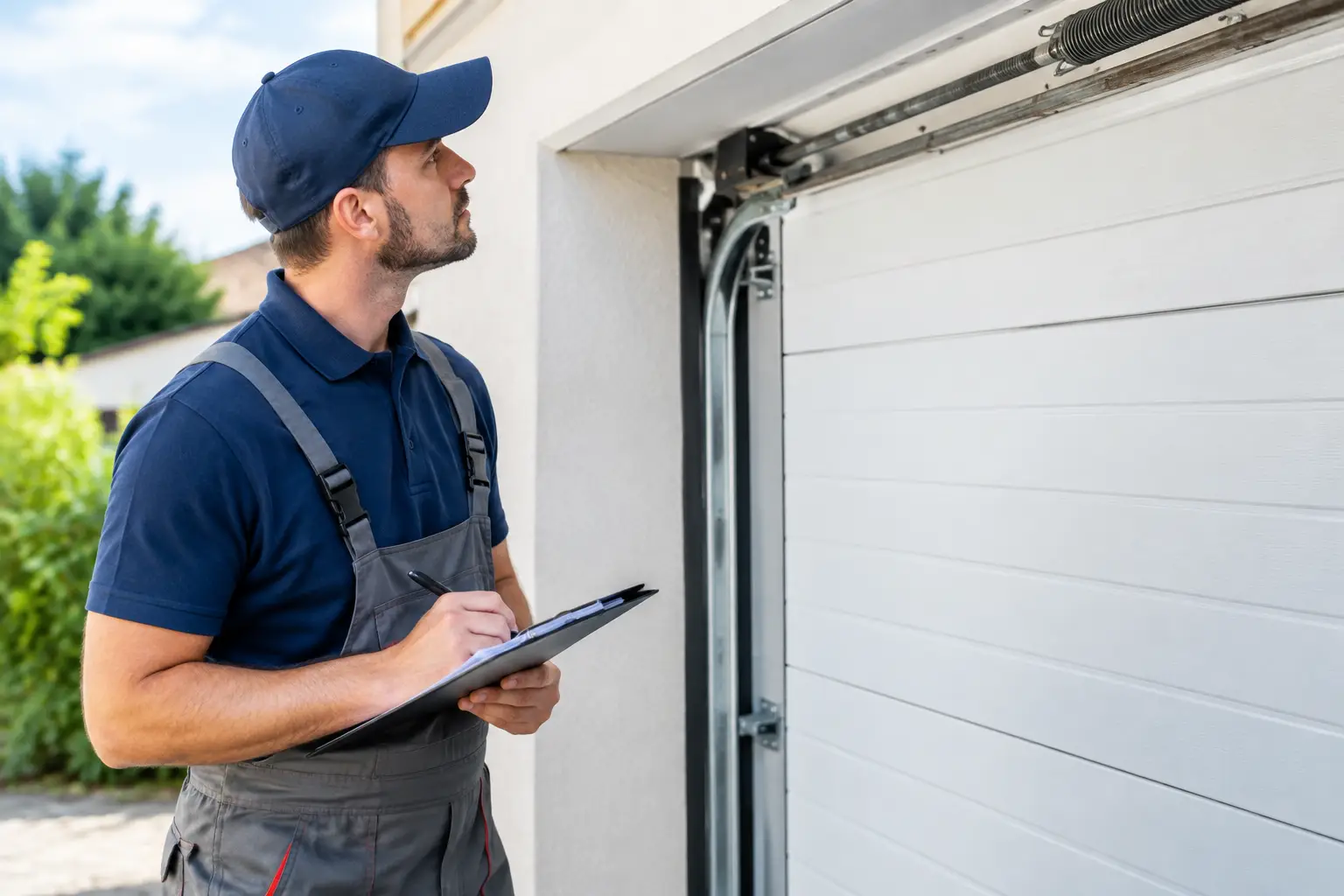
Begin with the door fully closed and the opener unplugged if you are inspecting anything near the moving parts. Do not stand under the door, and do not touch springs, cables, or bottom brackets. Those components carry a dangerous amount of stored tension.
Look at the door panels first. Small cosmetic dents may not affect operation, but a bent panel can bind in the track or keep the door from sealing properly. Check whether the door sits level against the floor. A noticeable gap on one side, a crooked door, or a door that appears to hang lower on one corner can point to a cable, track, roller, or spring problem.
Next, inspect the tracks along both sides of the opening. They should be securely fastened, reasonably clean, and free of major bends. A little dirt is normal. A crushed track, loose mounting bracket, or roller that has popped out of place is not a DIY adjustment. Trying to force a door back into a damaged track can make the repair more expensive and can cause the door to fall.
Check the rollers as well. Worn rollers may wobble, crack, squeal, or leave black dust near the track. If the door has older metal rollers without bearings, some noise is common. Still, a loud grinding sound or jerky movement is a sign that the rollers and hinges need a closer look.
Test How the Door Operates
After the visual check, reconnect power and watch one complete open-and-close cycle from a safe distance. Keep children, pets, vehicles, and boxes out of the garage doorway while testing.
Pay attention to whether the door moves smoothly. A healthy door should travel without severe shaking, scraping, banging, or long pauses. If the opener motor runs but the door does not move, the issue could be a stripped gear, a broken trolley, a disengaged emergency release, or a broken spring. If the door opens a few feet and reverses, the opener may be sensing excess resistance from a binding door.
Listen for new sounds. A light hum from the opener and a rolling sound from the door are expected. Sharp bangs, repeated popping, metal-on-metal scraping, or a loud squeal are not. One loud bang from the garage is often how homeowners first notice a broken torsion spring.
If your door has an automatic opener, test the safety reversal system. Place a solid piece of lumber flat on the floor in the door's path, then close the door using the wall control. The door should reverse after touching the object. If it does not, stop using the automatic opener until it is repaired.
Also check the photo-eye sensors near the bottom of the tracks. Both sensor lights should be on and steady. Wipe the lenses with a soft cloth, remove leaves or stored items blocking the beam, and make sure the brackets have not been bumped out of alignment. If the door closes only when you hold the wall button down, sensor trouble is a common cause.
Check the Parts That Need Regular Care
A garage door does not need constant attention, but basic maintenance can prevent a small issue from becoming a same-day repair call. In Northern Colorado, temperature swings, wind-blown dust, and winter moisture can be especially hard on moving parts and bottom seals.
Use a garage-door-rated lubricant on hinges, roller bearings, and springs only if the springs are intact and accessible without reaching into a hazardous position. Do not grease the tracks. Grease collects dust and can make rollers drag. The tracks generally need to be clean, not lubricated.
Inspect the weather seal along the bottom of the door. A flattened, brittle, torn, or missing seal lets in cold air, dust, water, and pests. It can also make an otherwise good door look uneven against the floor. Replacing a bottom seal is often a practical maintenance job, though an uneven floor may require a different seal style or professional adjustment.
Check the opener remote, wall button, and keypad. Replace weak batteries before assuming the opener has failed. If the wall button works but the remote does not, the problem may be the remote battery, programming, or antenna. If none of the controls work, check the outlet and circuit breaker before scheduling service.
Problems That Need a Professional Right Away
Some garage door problems are straightforward to identify but unsafe to repair without the right tools and training. Call for service rather than experimenting if you notice any of these issues:
- A broken torsion or extension spring, often marked by a visible gap in the spring or a door that suddenly feels extremely heavy.
- Loose, frayed, tangled, or broken lift cables.
- A door that is off track, crooked, stuck halfway, or hanging from one side.
- A damaged bottom bracket, bent track, or door that has come down unexpectedly.
- An opener that keeps running after the door stops moving, especially if the door is binding.
Springs and cables work together to counterbalance a door that can weigh hundreds of pounds. The bottom brackets are connected to the lift cables under tension. Removing bolts, loosening set screws, or trying to reset cables without proper equipment can cause serious injury. This is one repair where saving a service call is not worth the risk.
If your garage door is stuck open, do not leave the home unsecured if you can avoid it. Keep the area clear, avoid pulling on the door, and call for emergency service. For a stuck closed door with a vehicle inside, a technician can diagnose whether the issue is the spring, opener, cable system, or a door obstruction and explain the repair before work begins.
Decide Whether Repair or Replacement Makes More Sense
Not every damaged door needs to be replaced. A single worn roller, failed opener gear, broken spring, or damaged section can often be repaired quickly. Replacement becomes more practical when multiple panels are damaged, the door has extensive rust or rot, parts are no longer available, or repeated repairs are adding up.
It also depends on what you need from the door. An insulated replacement can improve comfort for an attached garage, while a heavy-duty commercial door may be the better choice for a shop or property with frequent daily cycles. A clear inspection helps you make that decision based on the condition of the door, not a sales pitch.
What to Tell the Technician When You Call
A few details can help get the right parts on the truck the first time. Note whether the door is stuck open or closed, whether you heard a bang, whether the opener motor runs, and whether you can see a broken spring or loose cable. A photo of the issue can also help, but do not get close to damaged springs or cables just to take one.
Ask for an upfront explanation of the problem, repair options, and price before work starts. At Greeley Garage Door Repair by Mike, that means speaking with a real local technician, not a call center, and getting a straightforward recommendation for your home or business.
A garage door rarely fails at a convenient time. A quick inspection today can catch worn parts before your door stops tomorrow, and calling early when something looks wrong is usually safer, simpler, and less stressful than waiting for a complete breakdown.