
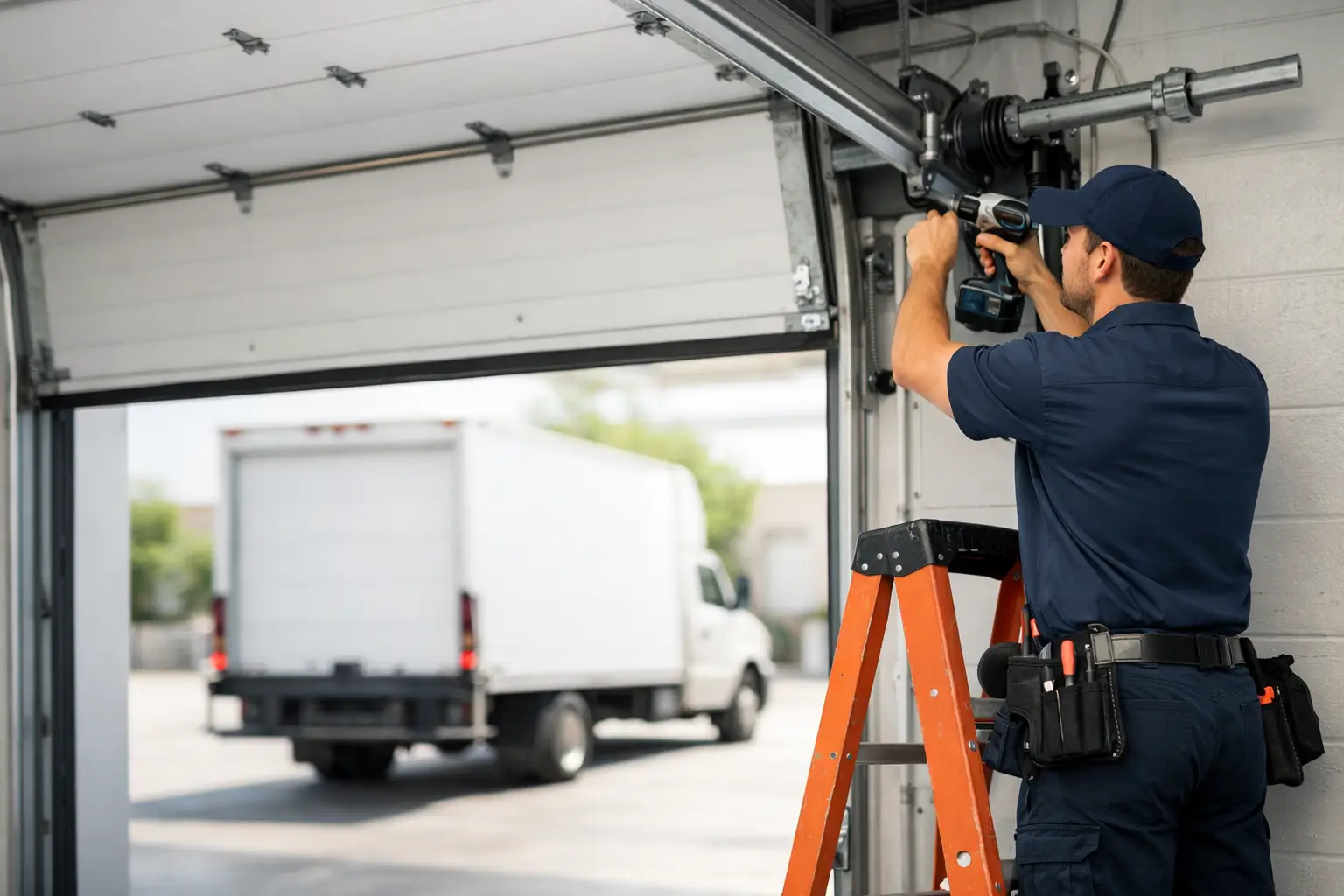
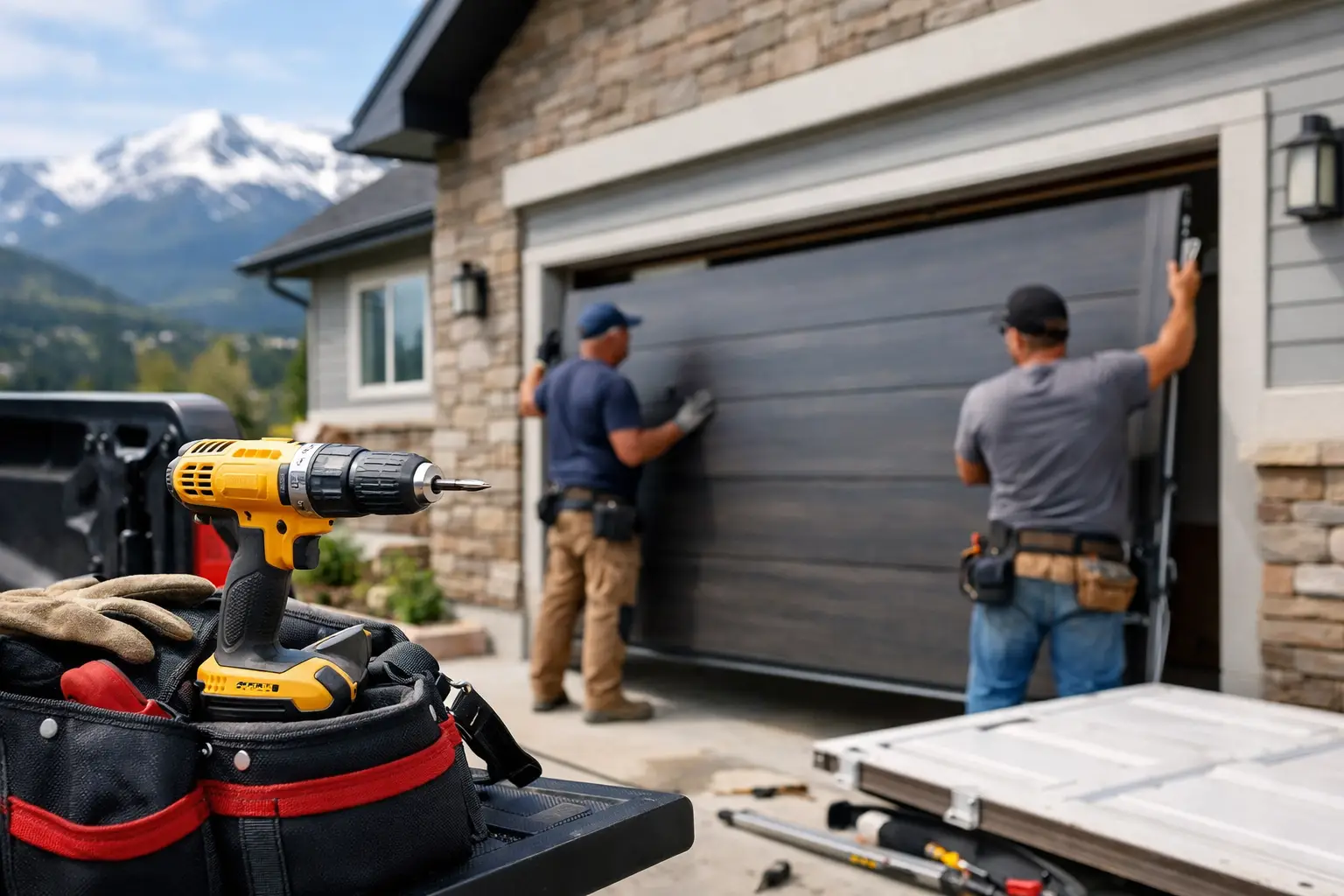
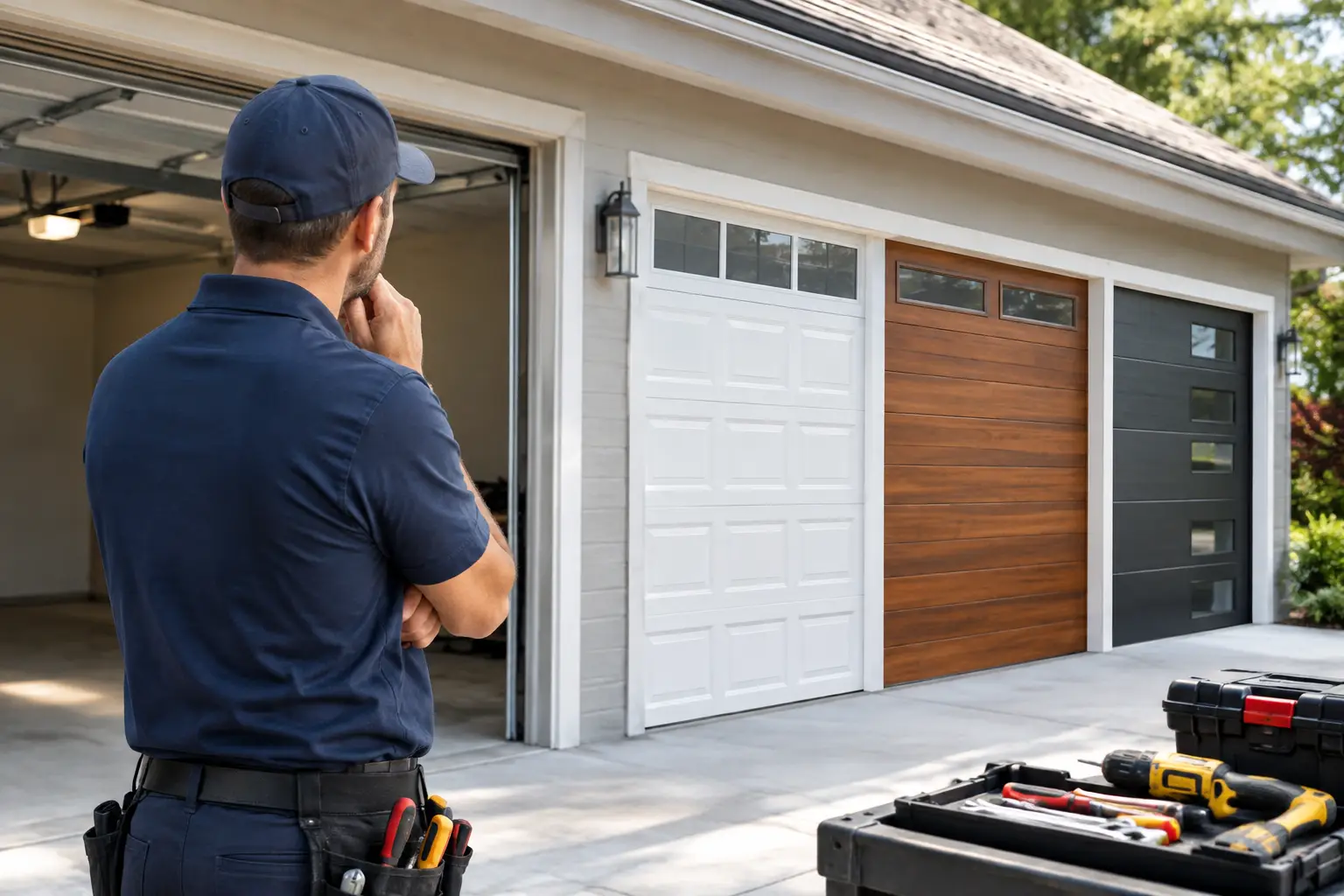
A garage door that will not open can turn a normal morning into a real problem fast. Your car may be trapped, your home may be left exposed, or your business may lose access to deliveries and equipment. The right repair replacement options depend on what failed, how old the door is, and whether fixing one part will actually give you dependable operation.
The good news is that many garage door problems do not require a new door. A broken spring, worn roller, damaged cable, or faulty opener can often be repaired the same day. But when damage is widespread or the door has become unsafe, replacement may be the smarter long-term call. A good technician should explain both choices clearly, not push the most expensive one.
Start With the Part That Actually Failed
Garage doors are a system of moving parts. When one component fails, the door can become noisy, crooked, heavy, or completely stuck. That does not automatically mean the panels or the entire door need to go.
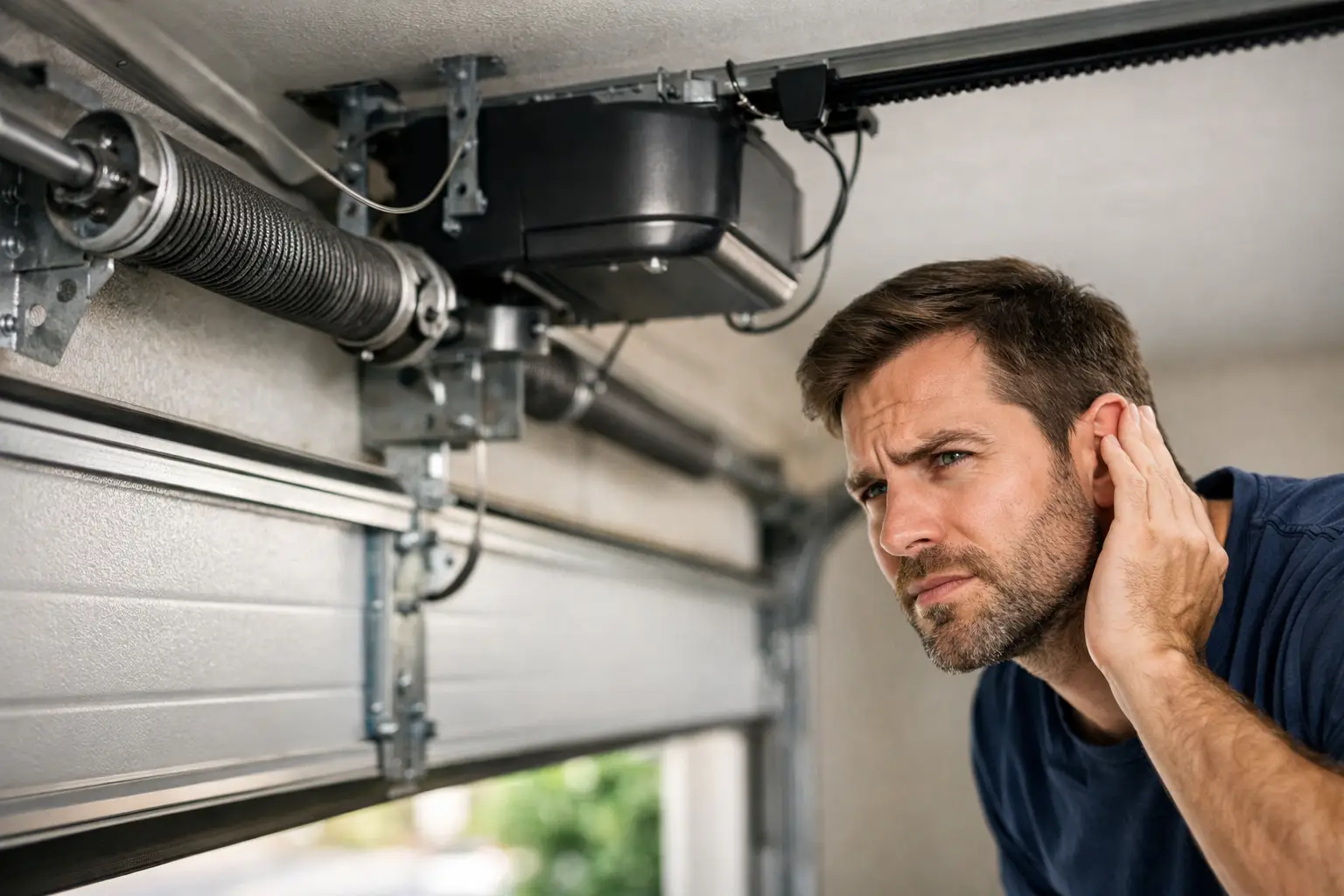
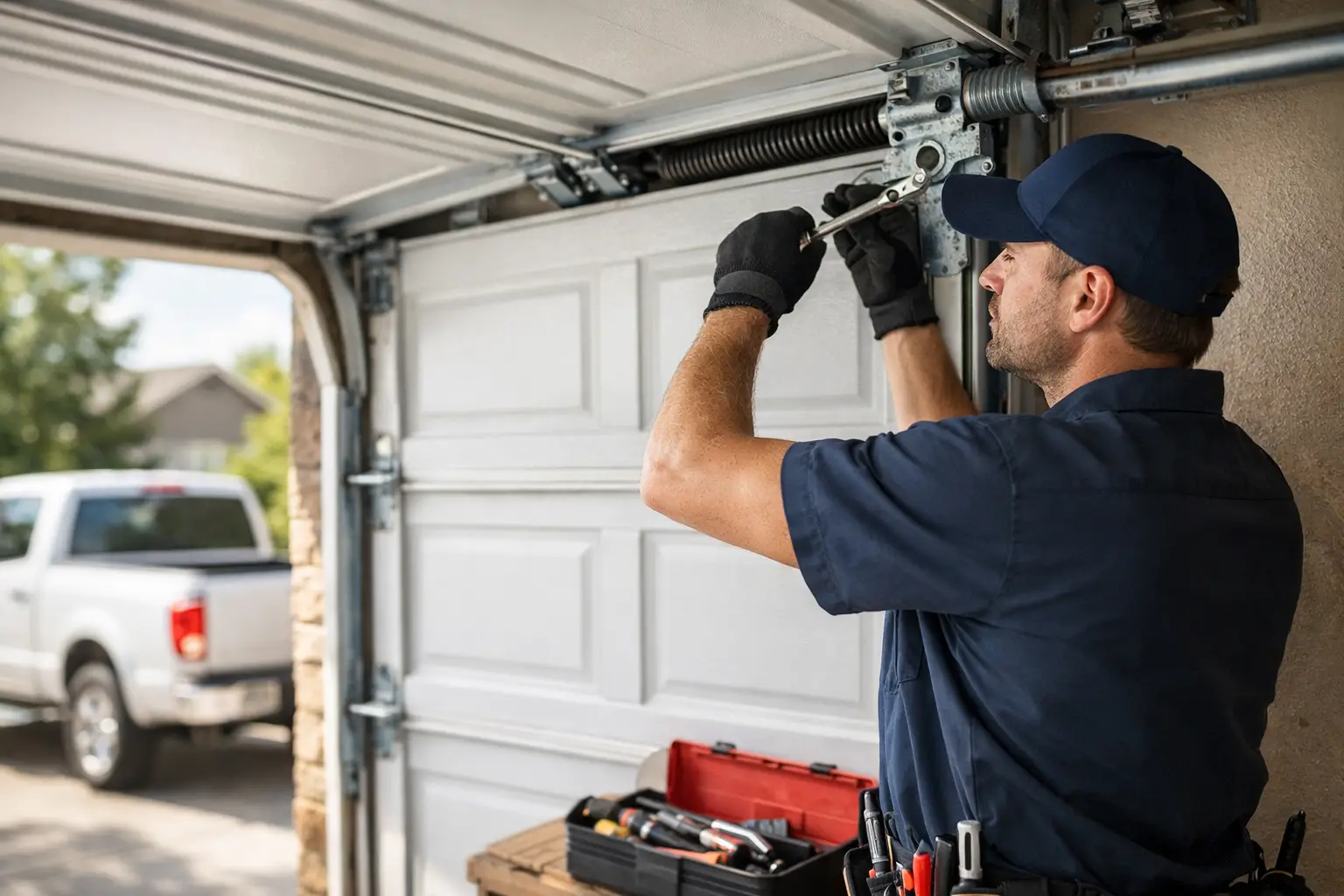
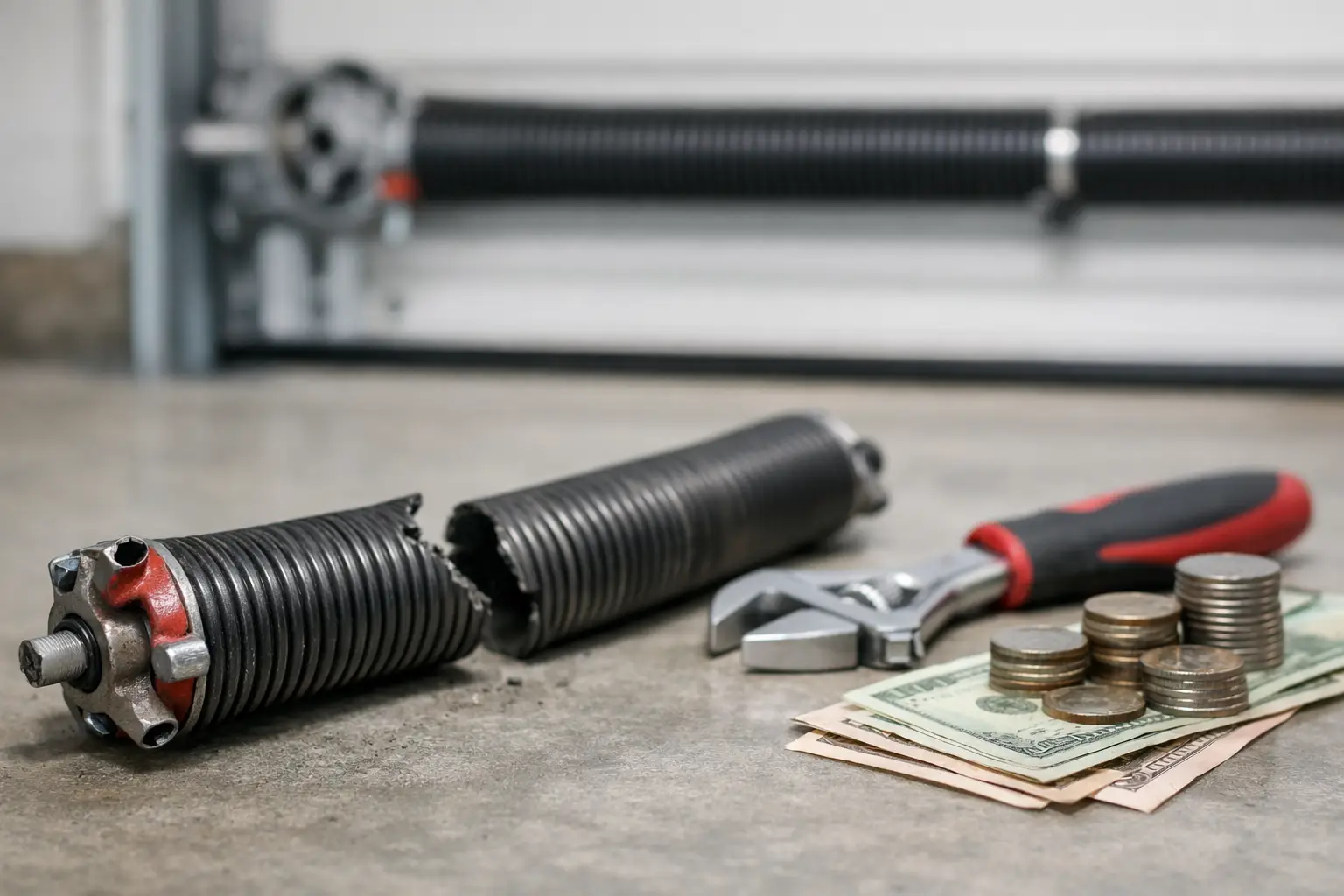
Broken torsion springs are one of the most common issues. Springs carry the door's weight, which is why a door with a broken spring may only lift a few inches or feel far too heavy to move manually. In most cases, spring replacement is the right repair. The door itself can stay in place if the sections, tracks, and hardware are otherwise in good shape.
Cables can come off the drum or fray over time. Rollers wear down and make the door shake or screech. Hinges loosen, brackets bend, and tracks can shift after an impact. These are usually targeted repairs, provided the door has not been badly damaged. Trying to force a door with a loose cable or off-track section can make the situation much worse, so leave it closed if possible and call for service.
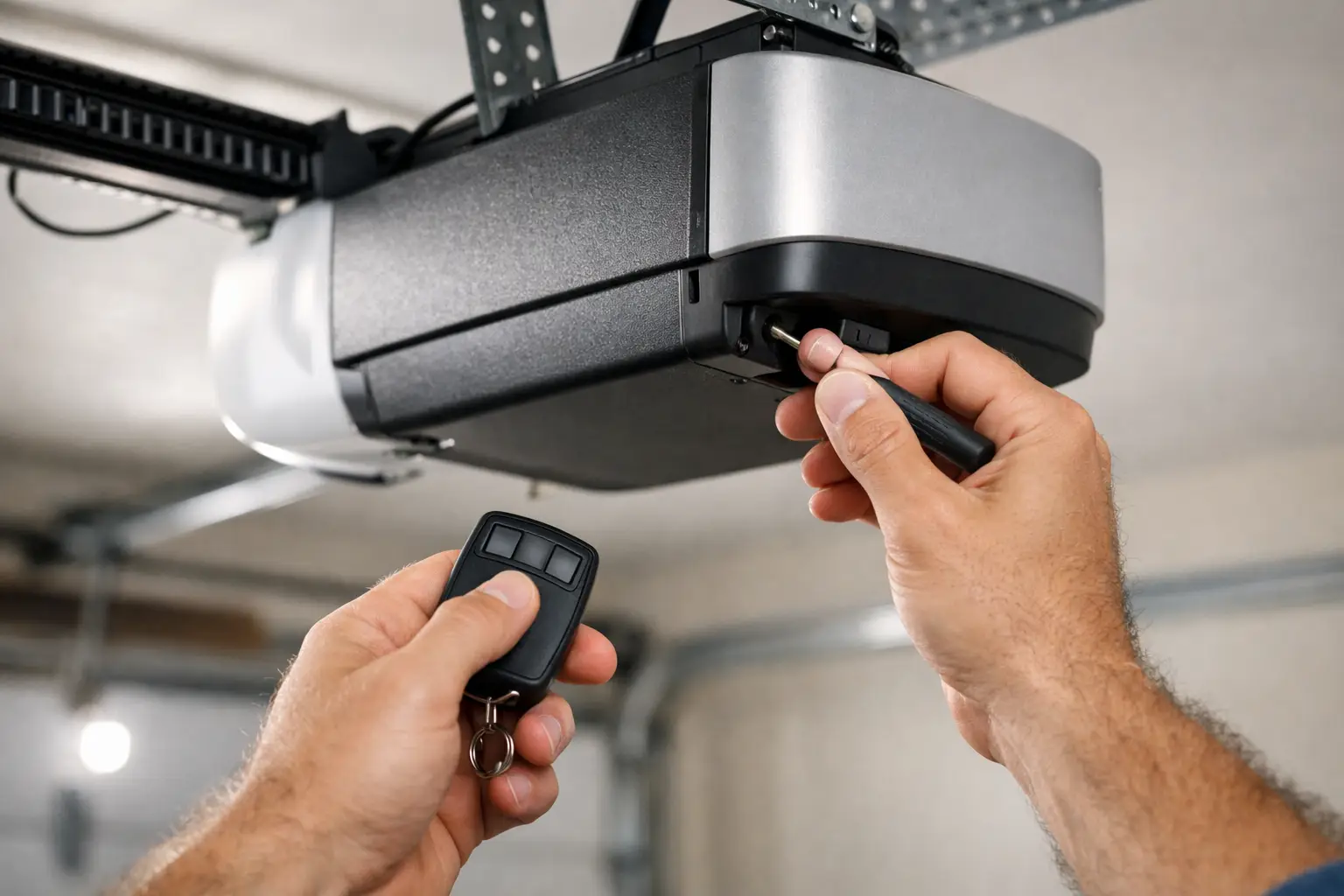
Opener problems also tend to be repairable. The issue may be a worn gear, stripped sprocket, failed safety sensor, remote programming problem, or damaged belt or chain. If the opener is relatively new and the motor is in good condition, repairing it often makes sense.
When Garage Door Repair Makes Sense
Repair is generally the practical choice when the problem is limited, the door is structurally sound, and replacement parts are readily available. It is often the fastest way to restore access without taking on the cost of a full installation.
A repair may be your best option if the door has one damaged roller, a broken spring, a single loose cable, or an opener that has otherwise worked reliably. Minor dents in a panel can also be cosmetic rather than structural. If the door opens and closes smoothly after the issue is addressed, there is little reason to replace the whole system.
For commercial properties, the same thinking applies. A rolling steel door or sectional overhead door may only need a spring adjustment, cable repair, new rollers, or operator service. Replacing a commercial door unnecessarily can interrupt operations, while a properly completed repair can get a bay, shop, or storage area back in service quickly.
Age still matters. A 15- to 20-year-old door can be repaired, but the technician should look beyond the immediate failure. If the springs, rollers, bearings, cables, and opener are all near the end of their service life, one repair may only be the first of several calls. That is when a replacement estimate becomes helpful.
Repair Replacement Options: When a New Door Is Better
Replacement becomes the stronger option when the door is unsafe, heavily damaged, obsolete, or costly to keep alive. The decision is not just about appearance. A bent or cracked door can affect the tracks, springs, opener, and weather seal every time it moves.
Severe panel damage is a common reason to consider replacement. One replacement panel can sometimes be installed, but only if the manufacturer still makes the correct size, design, color, and insulation level. Older doors often have discontinued panels. A mismatched panel may stand out, and it may not perform exactly like the rest of the door.
Replacement can also make sense after vehicle impact damage. If a car has pushed several sections inward, twisted the tracks, or damaged the bottom brackets, the door may no longer move safely. Rebuilding a badly damaged system part by part can cost nearly as much as a new door without giving you the same reliability or warranty coverage.
Here are four situations where replacement deserves serious consideration:
- Multiple panels are bent, cracked, rusted, or separating at the hinges.
- The door repeatedly comes off track or will not seal against the floor.
- The door is outdated and replacement parts are no longer available.
- You are facing repeated repairs on an aging door and opener.
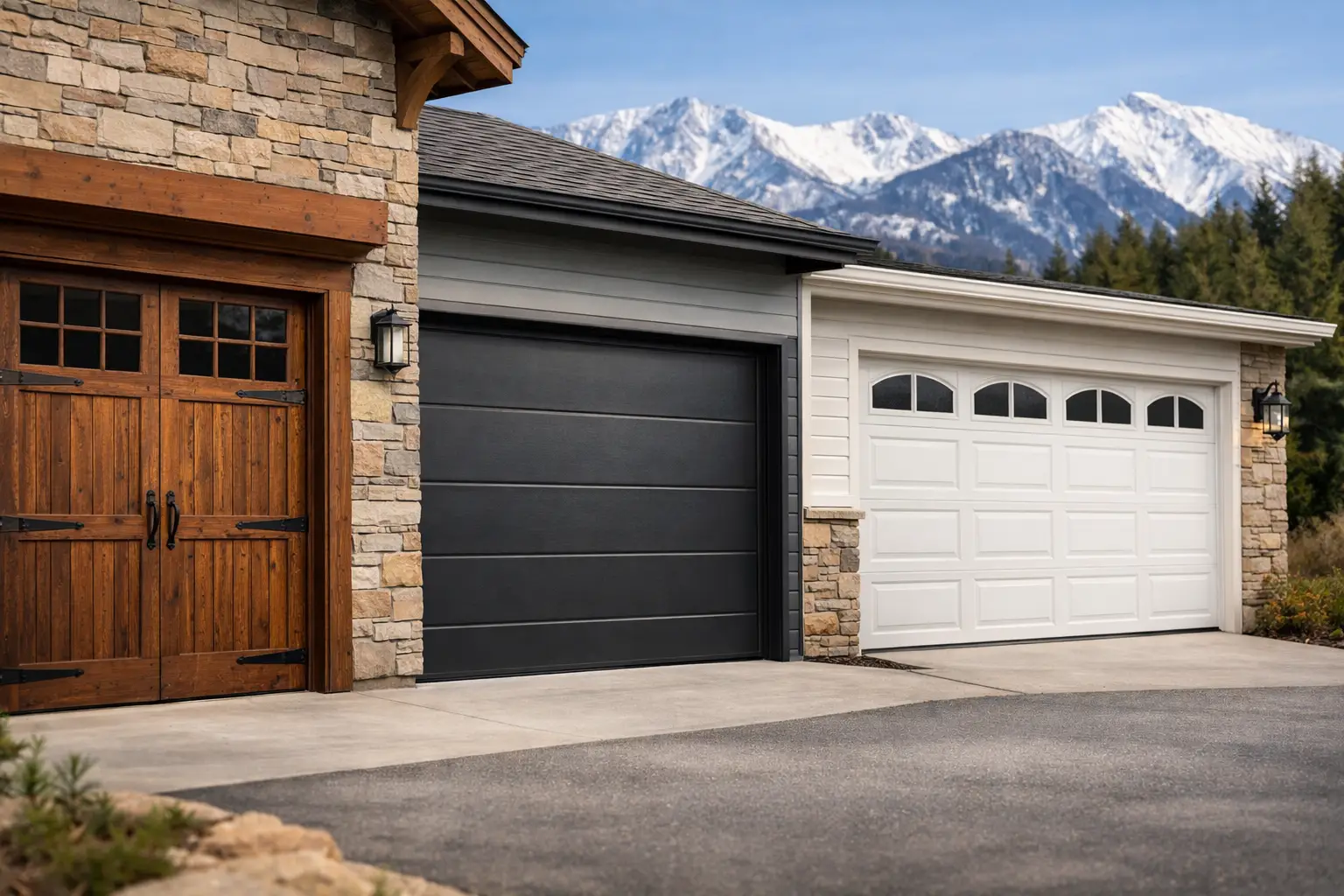
A new garage door can also solve problems that repairs cannot. Insulated doors can help reduce temperature swings in attached garages, which matters during Northern Colorado winters and hot summer afternoons. New weather sealing can cut down on dust, wind, and water intrusion. If curb appeal matters, a replacement lets you choose a style that fits the home instead of living with old dents or fading panels.
Do Not Judge the Decision by Price Alone
The cheapest repair is not always the lowest-cost choice over the next few years. A small repair on a newer door is usually money well spent. A repair on a door with failing springs, worn bearings, damaged panels, and a struggling opener may only delay a larger expense.
Ask for an upfront explanation of the issue, the recommended repair, and what could reasonably fail next. You should know whether the quoted work restores safe operation or simply gets the door moving temporarily. Those are different outcomes, and honest service means being clear about the difference.
Replacement pricing varies based on size, material, insulation, windows, hardware, and installation needs. A basic non-insulated door costs less than an insulated steel door with decorative windows or a custom finish. Commercial doors vary even more because cycle ratings, door weight, operator requirements, and opening size all affect the job.
If you choose replacement, do not overlook the opener. An older opener may not have enough lifting power or modern safety features for a heavier insulated door. Sometimes the opener can stay. Other times, pairing the new door with a properly matched opener avoids performance problems later.
Safety Is the Line You Should Not Cross
Garage door springs, cables, drums, and bottom brackets are under serious tension. These are not typical DIY repairs. A broken spring can cause a door to drop, and a cable that appears loose may still be under load. Do not pull emergency releases or loosen hardware unless you understand exactly how the system is supported.
If the door is stuck open, keep people and vehicles clear of the opening. If it is partially open or hanging crooked, do not try to shove it down. Disconnecting or forcing the opener can damage the door further and create a safety risk.
A trained technician can identify whether the problem is a straightforward repair or a replacement situation without guessing. They can also verify that the balance, photo eyes, force settings, tracks, and hardware are safe before leaving.
What to Ask Before You Approve the Work
You do not need to know every garage door part to make a good decision. Start by asking what failed, why it failed, and whether the repair addresses the underlying cause. If replacement is suggested, ask whether the existing door is unsafe, whether matching parts are available, and how the repair cost compares with a new installation.
It is also fair to ask about warranty coverage, expected turnaround time, and whether the technician has the needed parts on the truck. For homeowners in Greeley, Evans, Windsor, and Ault, same-day service can make a major difference when a vehicle is trapped or the garage cannot be secured.
At Greeley Garage Door Repair by Mike, the goal is simple: give you a straight answer, a clear price, and a repair or replacement that makes sense for your door. Whether it is one worn part or a full door installation, the right fix should leave you with safe, reliable access and no unanswered questions.