

A hailstorm can leave more than dents in your siding and damage to your roof. Your garage door takes a direct hit too, especially on homes where the door faces the prevailing wind. If you need garage door service after hail, the first question is not whether the door looks perfect. It is whether it still opens, closes, seals, and locks safely.
A few small dents may be cosmetic. A bent section, loose hardware, damaged weather seal, or door that suddenly runs rough is a different situation. Before you keep using the opener or try to force the door into place, take a careful look at what the storm changed.
Start With a Safe Post-Storm Inspection
Wait until the storm has fully passed, then inspect the door from both inside and outside. Do not stand under a door that looks bowed, partially open, or off its track. If a vehicle is trapped inside, it is tempting to keep pressing the opener button. That can turn a repairable issue into a damaged opener, broken cable, or worse.
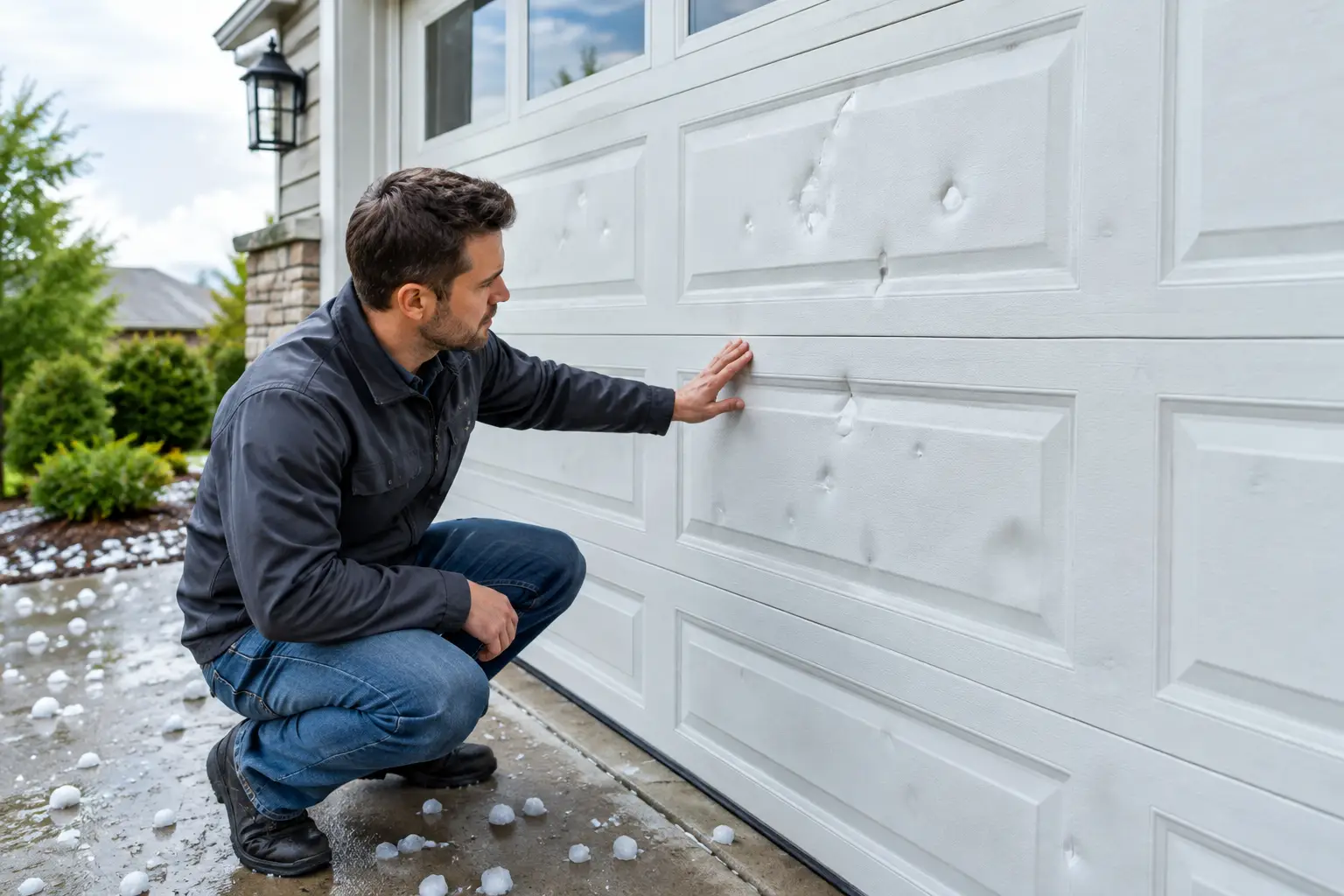
Look across the face of the door in good light. Hail dents are easy to spot on steel doors, but the more meaningful signs are creases near the edges of a panel, cracks in windows, separation between sections, and gaps around the perimeter. Check the bottom seal as well. Hail, wind-driven debris, and standing water can tear it loose or leave openings where rain, cold air, and pests can get in.
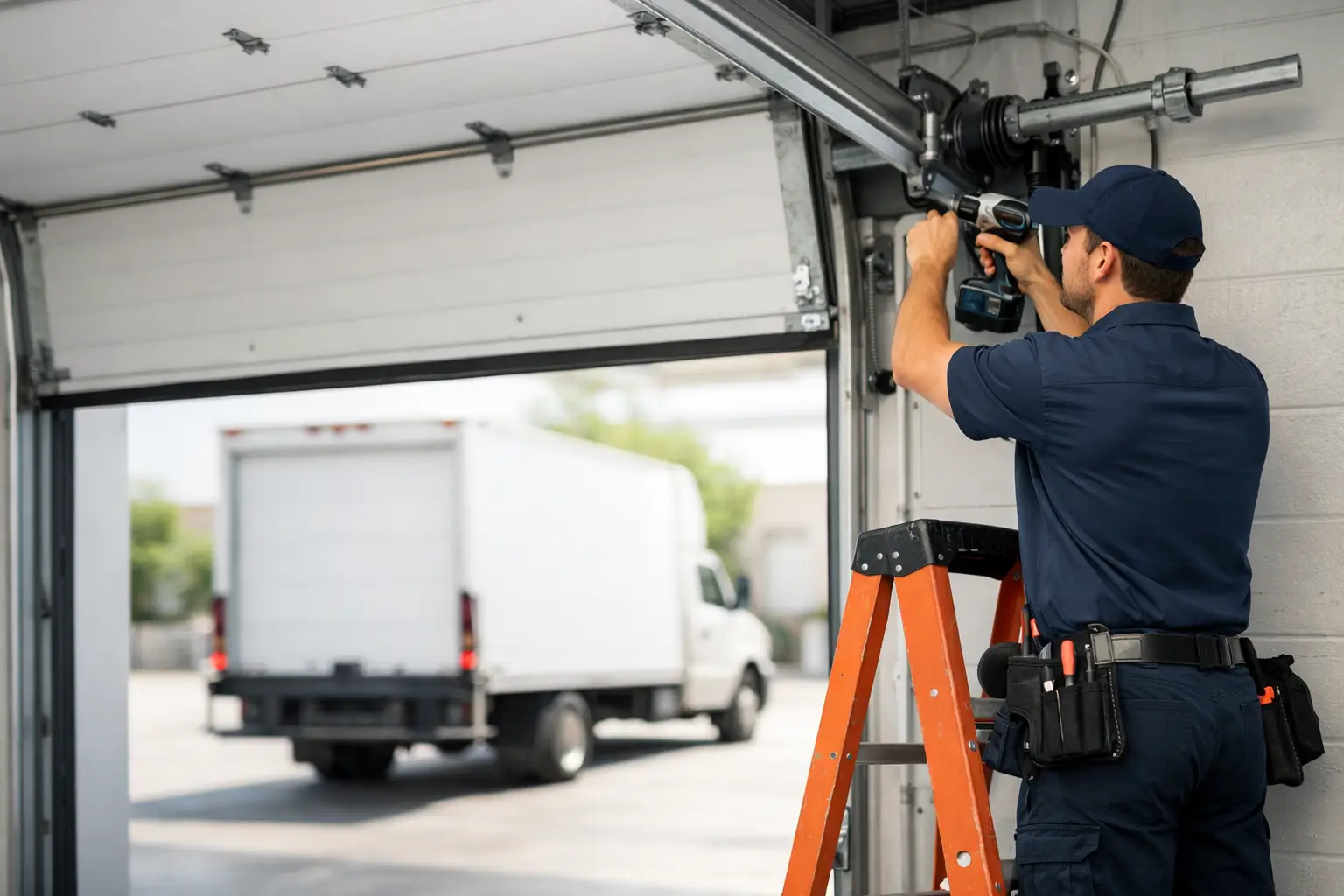
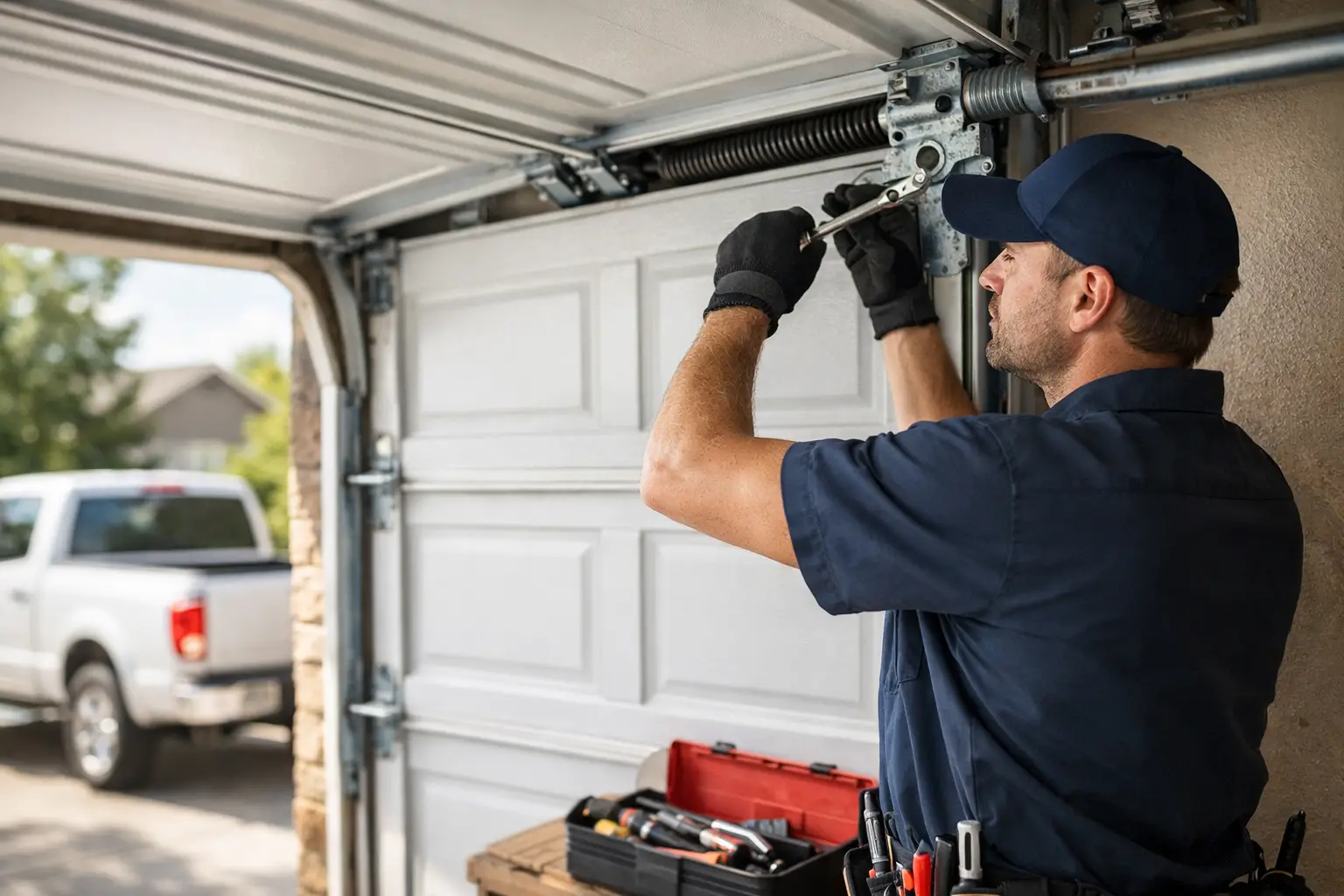
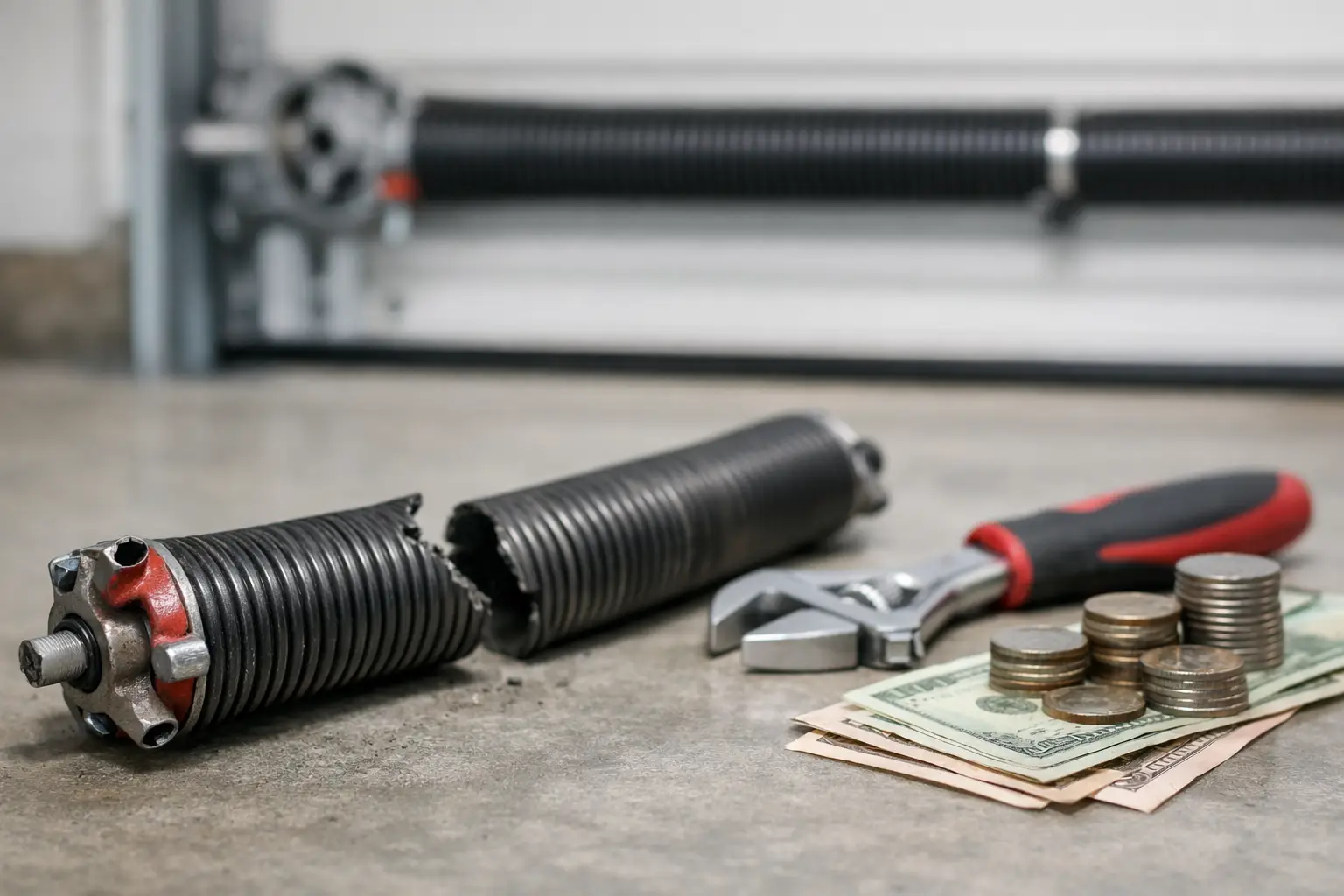
From inside the garage, look at the tracks, rollers, hinges, cables, and springs without touching them. Tracks should be straight and firmly attached to the wall and ceiling. Cables should sit correctly on the drums. Springs should never be adjusted by a homeowner. These components are under heavy tension, and a quick DIY fix can cause serious injury.
When Hail Damage Is More Than Cosmetic
Not every dent calls for a new garage door. In fact, many doors continue to operate safely after minor hail marks. The decision depends on the material, the severity of the impact, the door's age, and how it runs.
Dented or Creased Panels
Light dents in a steel panel can be mostly cosmetic. They may affect curb appeal, but they do not always affect operation. Deep dents and sharp creases are different. A panel that no longer sits flat can bind against adjacent sections as the door moves. It may also weaken the door enough that wind pressure or normal opening cycles cause more damage later.
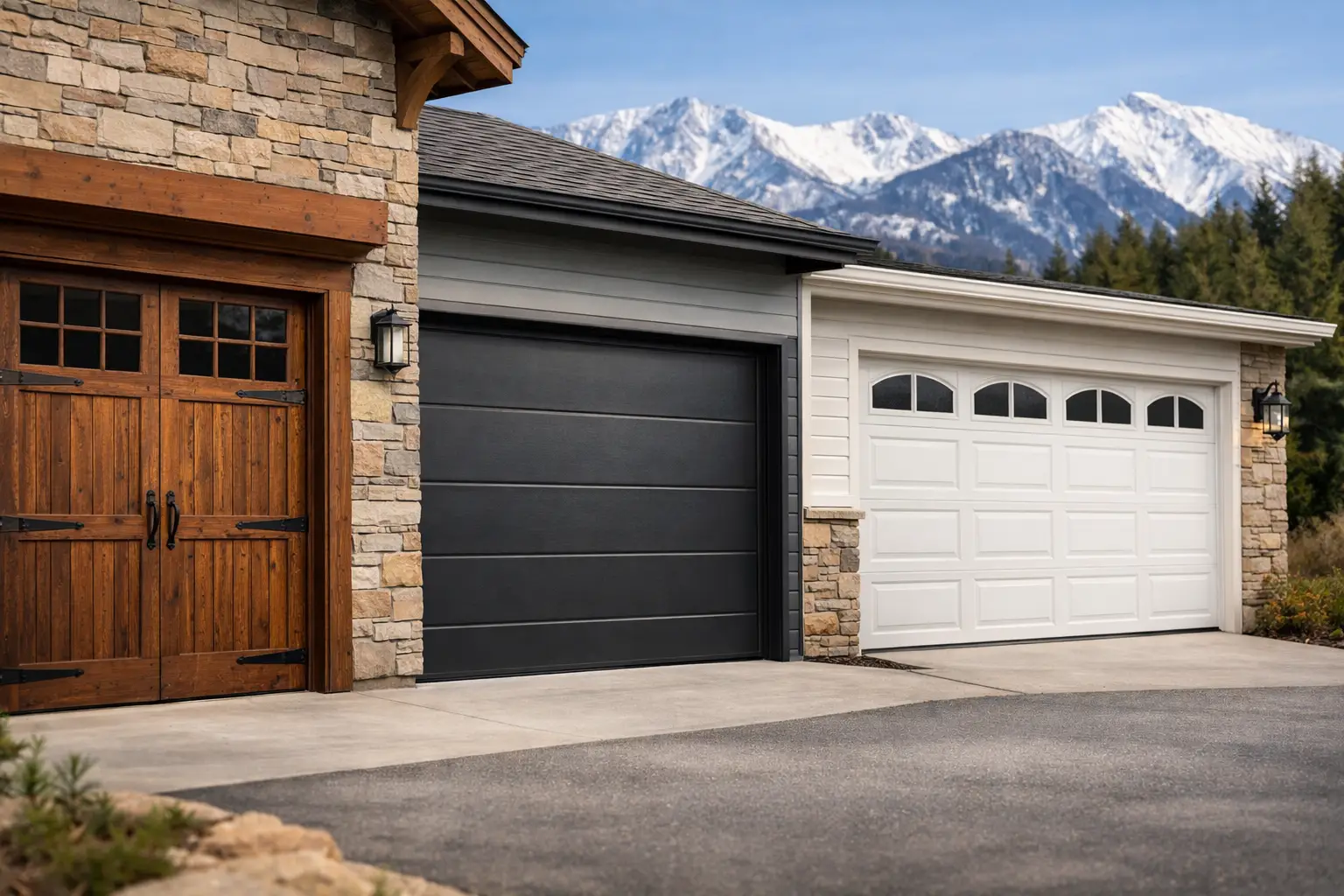
Sometimes one panel can be replaced. That is often a sensible option when the rest of the door is in good shape and a matching panel is available. With older doors, matching the color, woodgrain texture, insulation level, and design can be difficult. In that case, replacing the full door can be the better long-term value.
Cracked Windows and Damaged Inserts
Garage door windows can crack from direct impact or flying debris. Even a small crack can spread during Northern Colorado temperature swings. Broken glass or a loose window insert should be addressed promptly, especially if children, pets, or customers use the garage area.
A technician can determine whether the insert alone can be replaced or whether the affected top section needs attention. Covering broken glass temporarily may help keep weather out, but avoid operating the door until the panel is inspected if the window frame is loose.
Bent Tracks, Loose Hinges, or Rough Movement
Hail itself does not usually bend heavy tracks, but wind-thrown branches, ladders, patio furniture, and other debris can. If the door jerks, scrapes, shakes, or stops halfway, do not assume the opener is the problem. A bent track, damaged roller, or shifted hinge can put extra strain on every part of the system.
A door that has come off track, even slightly, needs professional service. Forcing it with the opener can bend sections, strip gears, or allow the door to drop unexpectedly. This is a same-day repair situation, particularly if the door will not close and secure the home or business.
Water Intrusion and Failed Weather Seals
After a hailstorm, inspect the seal at the bottom and along the sides of the door. If water came into the garage, check whether the door was closed evenly and whether the bottom rubber is split, hardened, or pulled away from the retainer. A worn seal may not look urgent, but it can let snowmelt, dust, and cold air into the garage all season.
Weather sealing is a practical repair, not just a comfort upgrade. It helps protect stored belongings and can make an attached garage less drafty. If the door is uneven, though, replacing the seal alone will not solve the problem. The door must be aligned and balanced first.
Do Not Ignore Opener and Safety Sensor Problems
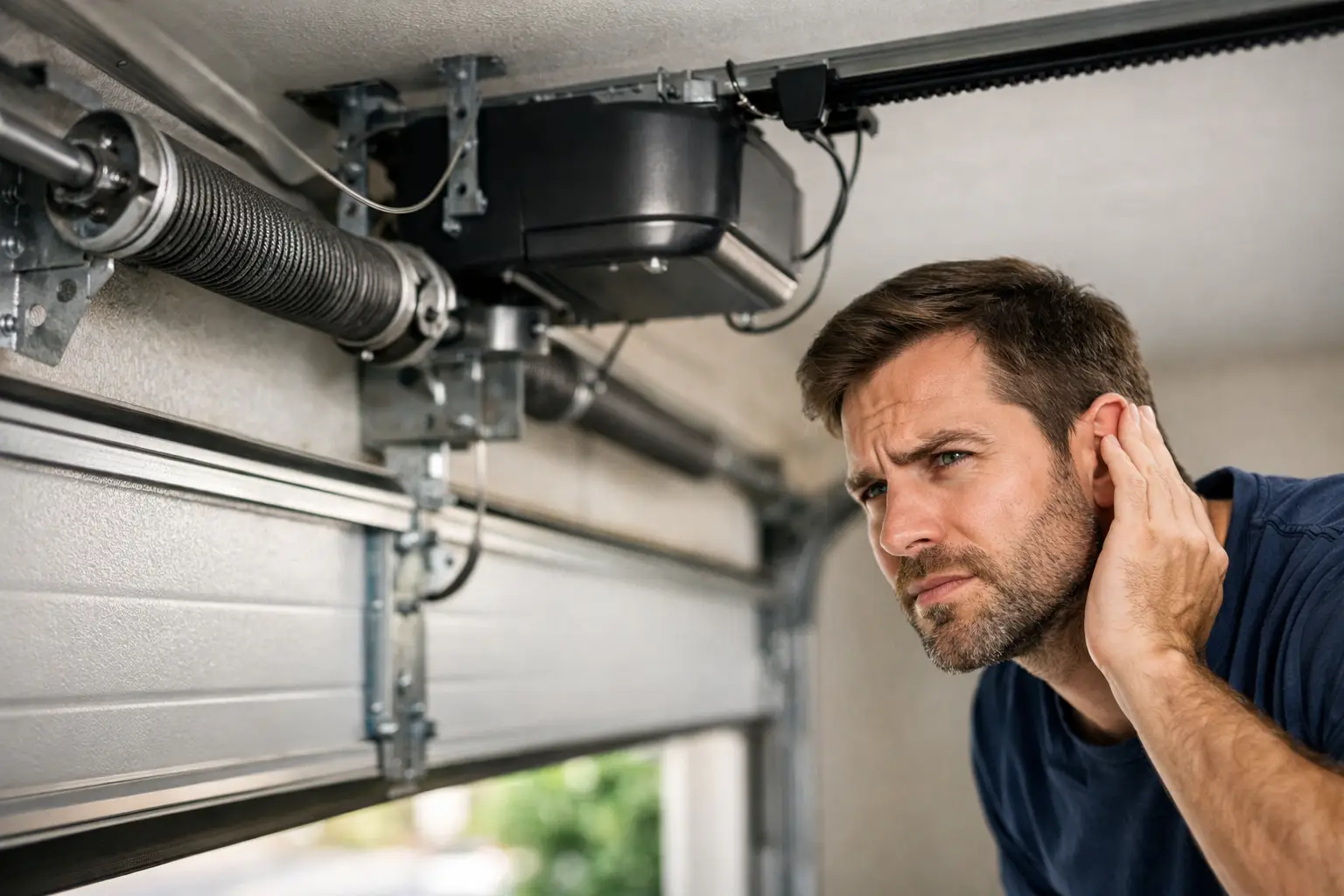
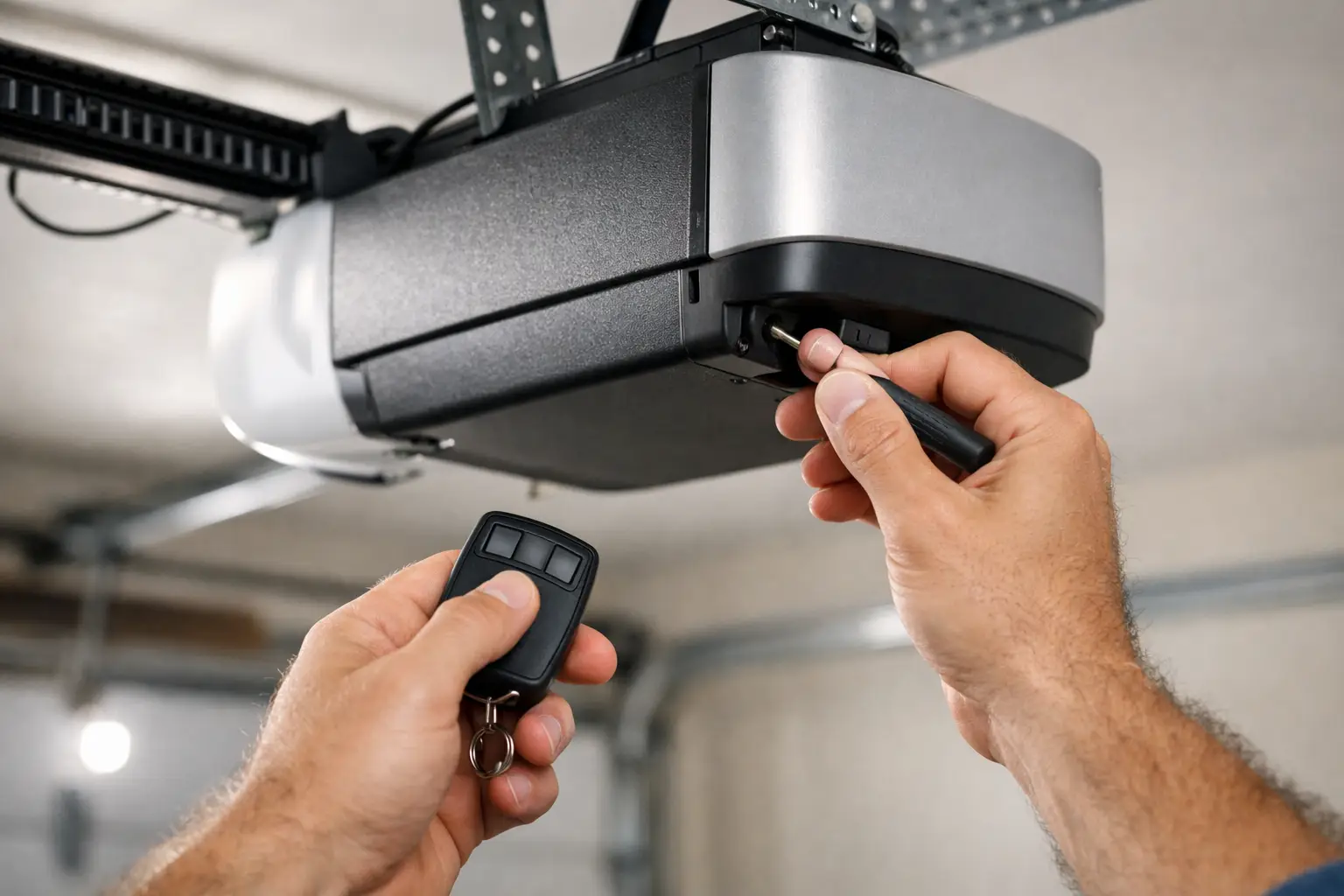
Storm damage can affect more than the door panels. A power surge, moisture, or a nearby lightning strike can leave an opener unresponsive or acting erratically. If the opener hums without moving the door, reverses unexpectedly, or only works from the wall button, it needs diagnosis rather than repeated attempts.
Check whether the safety sensors near the floor are dry, aligned, and free of mud or debris. If the door starts down and immediately reverses, sensors may be part of the issue. But a door that reverses can also be binding because of damaged hardware. The safest approach is to have the whole system checked, not just reset the opener and hope for the best.
If the power is out, use the emergency release only when the door is fully closed and you are sure it is stable. Never pull the release on an open or partly open door. A damaged or unbalanced door can fall quickly once it is disconnected from the opener.
Garage Door Service After Hail: Repair or Replace?
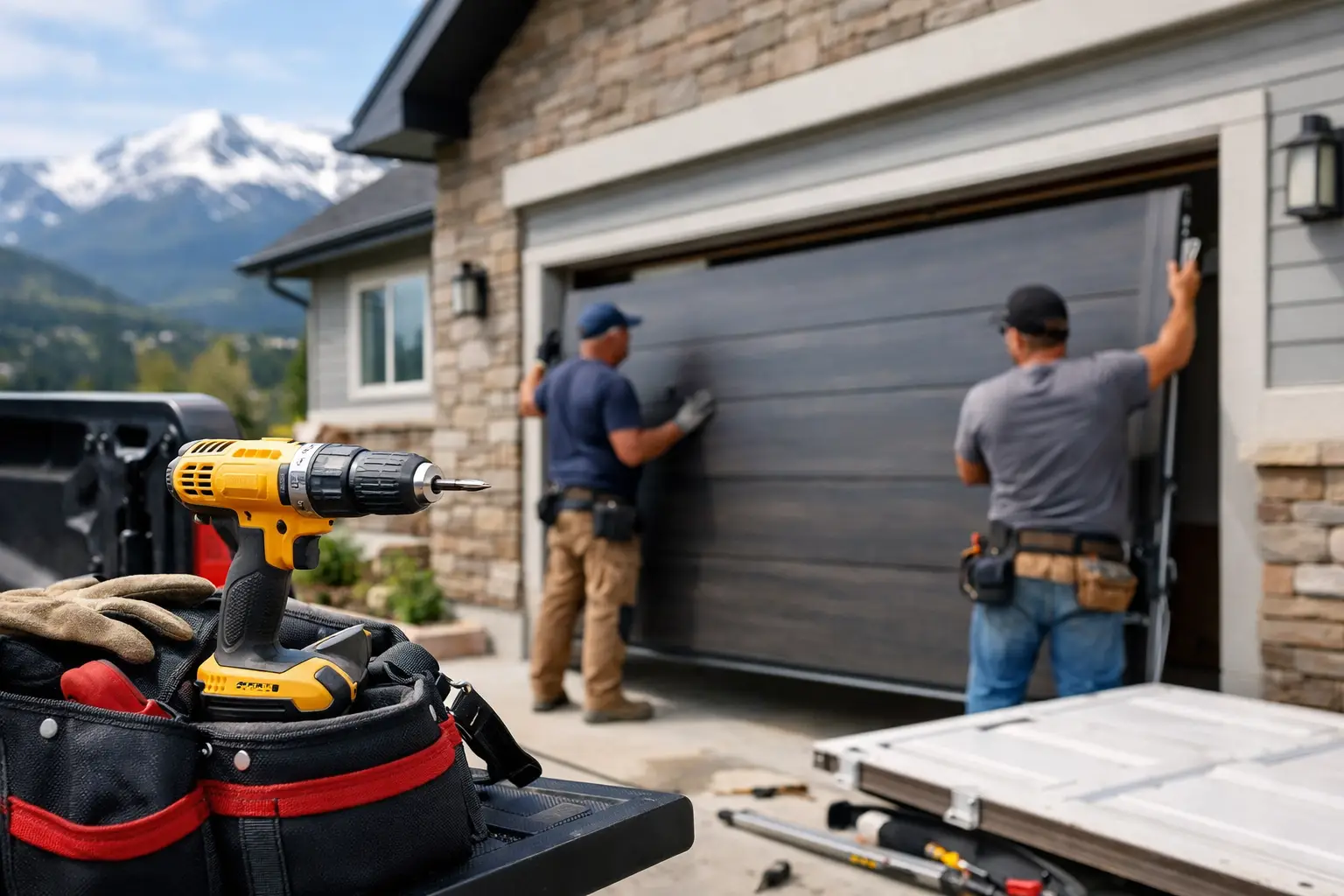
The right answer depends on what the inspection finds. Repairs are usually the practical choice when damage is limited to a seal, roller, hinge, window insert, track adjustment, or an available single panel. A complete replacement makes more sense when several panels are badly dented, the structure is weakened, the door is old, or matching parts are no longer made.
For insulated doors, severe panel damage deserves extra attention. The outer skin may show the obvious dent, while insulation and the interior backing can also be compromised. That can reduce the door's rigidity and insulation performance. A technician can tell you whether the damage is surface-level or whether the section is no longer dependable.
Commercial doors need the same careful review, with higher stakes. A damaged sectional or rolling steel door can interrupt deliveries, leave equipment exposed, and create a safety concern for employees. If the door will not close, will not stay open, or has damaged cables or tracks, arrange service right away rather than trying to keep the operation moving with a compromised door.
Document Damage Before Repairs Begin
Take clear photos from several angles before washing the door or attempting any repair. Include close-ups of dents, cracks, damaged seals, windows, and debris marks, plus wider photos that show the full door. If you plan to contact your insurance company, documentation helps establish that the damage followed the storm.
Keep in mind that insurance decisions vary by policy, deductible, door age, and the extent of damage. A repair professional can provide a straightforward assessment and estimate, but cannot decide what your insurer will cover. Ask for the damage to be explained in plain language so you can compare repair costs with your deductible and make a clear decision.
Get the Door Checked Before the Next Storm
A garage door is the largest moving entry point in most homes. After hail, it may still go up and down while hiding problems that get worse with each cycle. That is why it pays to address rough movement, gaps, cracked glass, bent sections, or a door that will not secure the garage.
For homeowners in Greeley, Evans, Windsor, and Ault, Greeley Garage Door Repair by Mike can inspect storm-related damage, explain the repair options upfront, and handle urgent problems when the door is stuck or unsafe. The goal is simple: get the door working safely again without pressure, guesswork, or unnecessary replacement.
If your door looks dented but operates normally, schedule an inspection before calling it purely cosmetic. A quick professional check can tell you whether it is safe to keep using - and give you peace of mind before the next round of Colorado weather rolls through.