
A commercial garage door that opens 10 times a day has very different demands than one that opens 100 times a day. High cycle operators are built for that second job: frequent, dependable movement at warehouses, auto shops, farms, storage buildings, fire stations, and busy loading areas. Choosing the right operator can reduce unexpected downtime, but only when it is matched to the door, its weight, and how the building actually uses it.
For a business, a stuck overhead door is not a small inconvenience. It can hold up deliveries, leave inventory exposed, trap equipment inside, or create a safety issue for employees. The goal is not simply to buy a stronger opener. It is to install a system designed to handle the workload without putting extra strain on the door.
What Are High Cycle Operators?
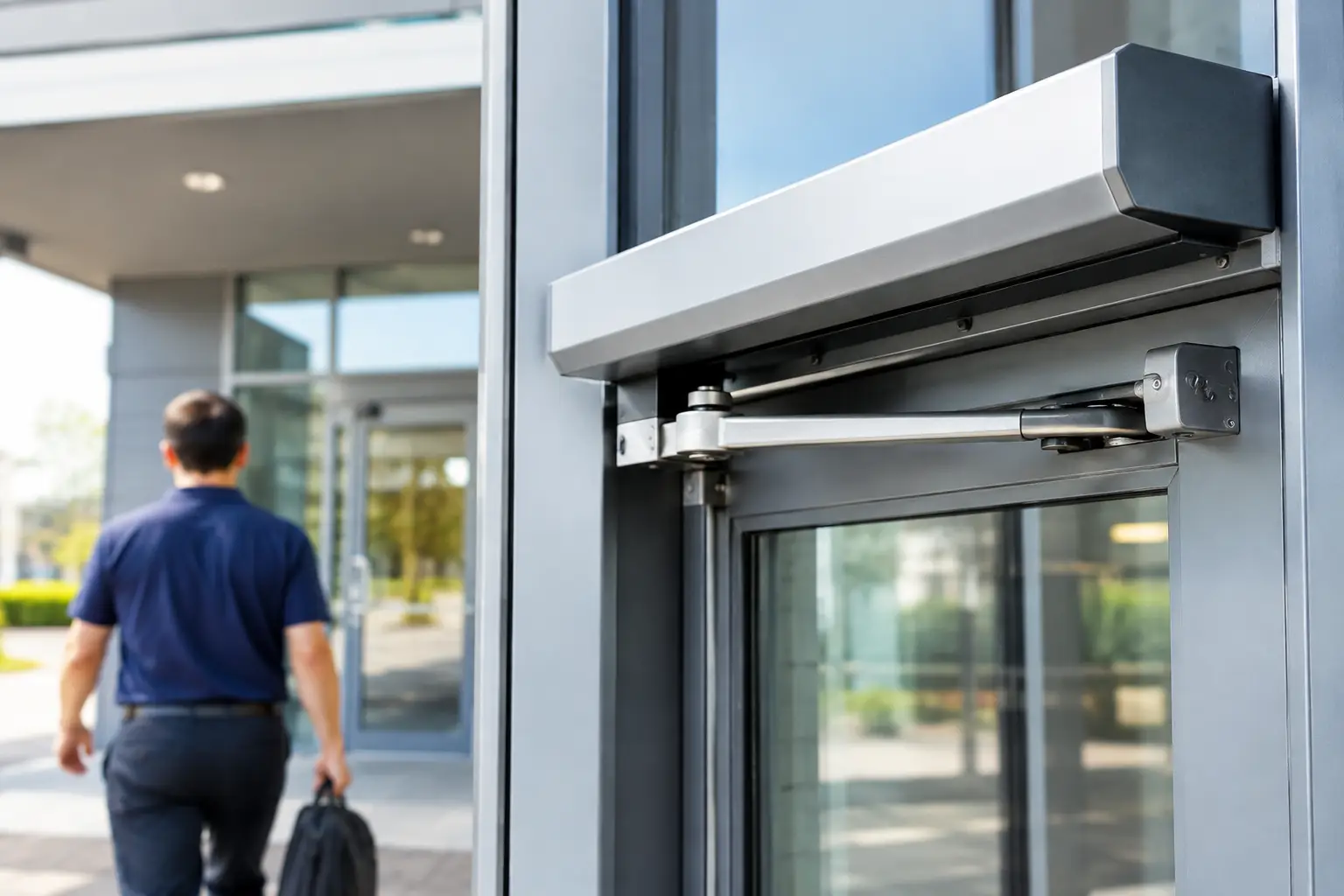
A commercial door operator is the motor and control system that raises and lowers an overhead door. A high-cycle model is intended for doors used repeatedly throughout the day. Its internal components, drive system, controls, and duty rating are selected to tolerate more frequent operation than a light-duty commercial or residential opener.
A cycle means one complete opening and closing of the door. If a shop opens the door at 7 a.m., closes it after a vehicle enters, opens it for the next customer, and repeats that process all day, the cycle count adds up quickly. A door used 50 times per day can reach more than 15,000 cycles in a year.
That does not mean every busy door needs the most expensive operator available. A properly sized standard commercial operator may be the better value for a door that sees moderate use. The right choice depends on actual use, not just the size of the building or the horsepower printed on a motor.
When a High Cycle Operator Makes Sense
High-cycle equipment is usually worth considering when a door is part of daily operations rather than occasional access. Automotive service bays, distribution rooms, agricultural buildings with active equipment traffic, apartment maintenance facilities, and commercial storage locations are common examples.
It is also a smart fit where delays are expensive. A delivery door that is down for half a day can affect staffing, customer appointments, shipments, and security. Paying for an operator designed for frequent use can make more sense than repeatedly repairing a unit that was never meant for the workload.
Look at the pattern, not just the busiest day of the month. Ask how many times the door opens and closes on an average workday, whether several employees use it, and whether it runs during long shifts. Seasonal demand matters too. A farm or contractor yard may have heavy periods that push a normally moderate-use door into high-cycle territory.
The Door System Must Be Rated for the Workload Too
An operator cannot make a worn-out or undersized door system high-cycle ready. The springs, cables, rollers, tracks, hinges, drums, bearings, and door sections all work together. If one part is struggling, the operator has to work harder, and that extra load shortens its service life.
Springs deserve special attention. Standard springs are commonly rated for a certain number of cycles, while high-cycle springs are designed for more frequent use. If a business upgrades the operator but leaves low-cycle springs on a door that runs constantly, spring failure may become the next source of downtime.
The same goes for rollers. Worn rollers can make a door noisy, jerky, and hard to lift. Bent tracks, damaged panels, or frayed cables can turn a normal opening cycle into a safety risk. Before recommending an operator, a qualified technician should inspect the full door balance and hardware condition.
What Affects Operator Life
Cycle rating matters, but it is not the only factor that determines how long an operator lasts. Door weight and balance come first. A balanced door should stay near the halfway point when disconnected from the operator. If it drops or shoots upward, the springs need adjustment or replacement. Running an unbalanced door puts unnecessary force on the motor and drive components.
The operating environment also matters. Northern Colorado temperature swings, windblown dust, moisture, and vehicle exhaust can affect moving parts and electrical components. A door exposed to snow, ice, or high winds may need more frequent inspection than an indoor door in a controlled space.
Usage habits play a role as well. Slamming a door into an obstruction, forcing it when it is frozen to the ground, or allowing vehicles to bump tracks can cause damage that no operator can overcome. Employees should know where the emergency release is, how to use the wall control safely, and when to stop using the door and call for service.
Choosing the Right Type of Commercial Operator
Commercial operators come in several configurations. The best one depends on the door style, ceiling layout, available side room, electrical service, and duty cycle.
Trolley operators are often used for sectional doors with adequate headroom and a straightforward overhead track layout. Jackshaft operators mount beside the door and can be a good solution where ceiling space needs to stay clear. Hoist operators provide manual chain operation as a backup and are often used on larger or heavier doors. Rolling steel doors may require a different operator arrangement designed specifically for that curtain and counterbalance system.
Horsepower is part of the decision, but bigger is not automatically better. An oversized operator can mask a poorly balanced door for a while, yet the underlying problem remains. The installer should measure the door, check its lift type, verify the spring system, and calculate the real operating demand before selecting equipment.
A good commercial setup may also include photo eyes, monitored safety devices, control stations, keypads, vehicle detection, timer-to-close features, or access controls. These options should solve a real operational need. For example, timer-to-close can help protect a building when staff regularly forget to shut a door, but it must be set up with the correct safety equipment and clear procedures around pedestrian traffic.
Signs Your Current Operator Is Falling Behind
Commercial door problems rarely begin with a complete failure. Often, there are warnings: slower travel, unusual grinding or squealing, intermittent response from the controls, a door that reverses unexpectedly, or an operator that feels hot after routine use.
Frequent resets and repeated service calls are another sign. If repairs keep addressing the same worn gear, chain, clutch, limit switch, or electrical issue, it may be time to compare the repair cost with replacement. This is especially true when the operator is older, parts are difficult to obtain, or the business has outgrown the original duty rating.
Do not ignore a door that is only working "most of the time." An unreliable commercial door can fail at the worst possible moment, such as during a storm, before a delivery, or after closing when the building needs to be secured.
Maintenance That Prevents Costly Downtime
High-cycle doors need scheduled maintenance, not just emergency repairs. For heavy-use doors, regular professional inspections can catch worn cables, weakening springs, loose hardware, roller wear, and operator issues before they stop operations.
Between service visits, staff can keep an eye on basic warning signs. Watch the door during a complete open-and-close cycle. It should move evenly without shaking, dragging, or loud metal-on-metal noise. Keep the track area clear, test safety devices according to the manufacturer’s instructions, and report changes early.
Do not ask employees to adjust torsion springs, cables, or operator force settings unless they are trained and authorized to do so. Commercial door components are under serious tension. A quick adjustment can cause injury or make the door less safe if it is done incorrectly.
For businesses in Greeley, Evans, Windsor, and Ault, fast repair service matters when an overhead door affects daily access. Greeley Garage Door Repair by Mike can inspect the whole system, explain what is worn, and recommend a repair or replacement based on how the door is actually used. Clear answers are more useful than pushing equipment that does not fit the job.
Plan for Reliability Before the Door Fails
The best time to evaluate a high-cycle operator is while the current door is still functioning. That gives you time to choose the right equipment, schedule work around business hours, and address springs or hardware that may be nearing the end of their life.
If your commercial door is opening constantly, making new noises, or causing delays for your crew, treat that as a maintenance decision rather than a wait-and-see problem. A properly matched operator and a well-maintained door system keep the workday moving, which is exactly what a commercial overhead door is supposed to do.