



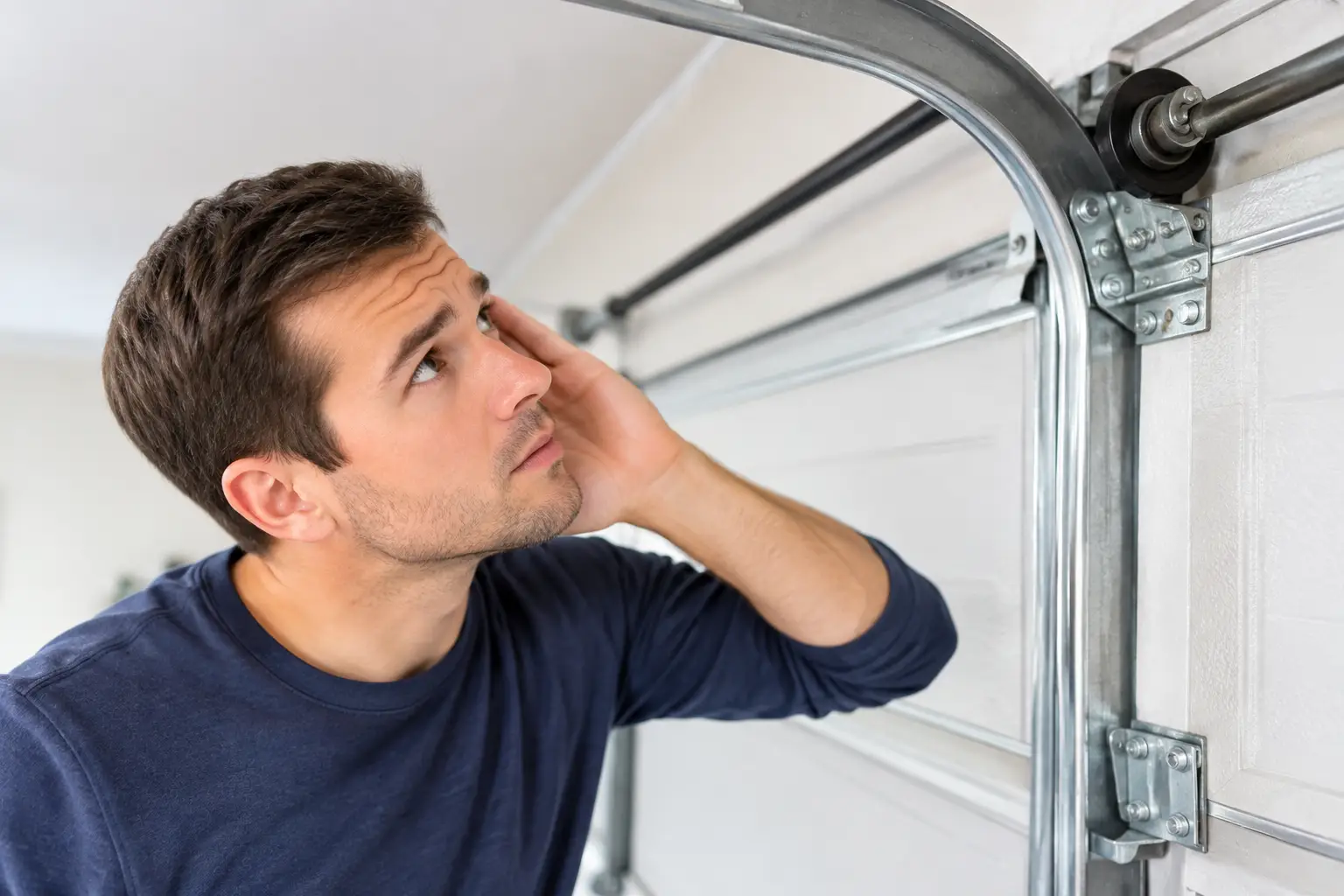
That grinding, rattling, or squealing noise is not just an annoyance when you leave for work early or pull in late at night. It can be the first warning that a garage door roller is worn, loose, dry, or no longer tracking correctly. Knowing how to identify noisy garage rollers helps you catch a small repair before it puts extra strain on the door, track, hinges, and opener.
A garage door has several moving parts, so the roller is not always the source of the sound. Still, rollers are one of the most common causes of a noisy door, especially on doors that have seen years of daily use, Colorado temperature swings, dust, and moisture.
What Garage Door Rollers Actually Do
Rollers are the small wheels fitted along both sides of the garage door. They sit inside the vertical and horizontal tracks, allowing each door section to move up and down as the opener lifts it or you operate it by hand.
Most residential doors have 10 to 12 rollers. They may be steel, plastic, or nylon, and each style makes a different amount of normal operating noise. Steel rollers are durable but tend to be louder. Nylon rollers usually run quieter, particularly when they have sealed ball bearings. Plastic rollers are common on older or budget installations, but they can crack and wear out sooner.
When even one roller begins binding, wobbling, or dragging, it can make the whole door sound rough. The door may still open, but it is working harder than it should.
How to Identify Noisy Garage Rollers Safely
Start with the door closed and listen carefully during one normal open-and-close cycle. Stand inside the garage, away from the moving door and tracks. Do not place your hands near rollers, cables, springs, or hinges while the door is operating.
Listen for when the sound occurs. A roller issue often creates noise at the same point in every cycle. For example, you may hear a sharp squeak as the second panel reaches the curve of the track, or a repeated rattle as the door travels along the horizontal track.
After the door is fully closed, inspect the visible rollers on both sides. You are looking for obvious wear, not trying to remove anything. A flashlight helps, especially around the lower brackets and upper track.
Signs a roller may be causing the noise include:
- A wheel that wobbles in the track or appears crooked
- Cracks, chips, flat spots, or missing pieces on the roller wheel
- Rust around a steel roller or its stem
- A roller that looks dry, dirty, or packed with grime
- A bent stem, loose hinge, or roller that sits unusually far out of the track
- A grinding sound that happens as a particular roller passes the curved track section
A healthy roller should turn smoothly and stay aligned in the track. It should not scrape the track wall, shake excessively, or jump in and out of position.
Check for a Sound That Follows the Door
One useful clue is whether the noise moves with the door. If you hear a squeak at a different physical location in the garage each time the door moves, but at the same point in the door's travel, a roller or hinge is likely involved.
For instance, the noise may happen when a specific roller reaches the top curve. As the door opens, that roller travels with the section of the door. This differs from an opener noise, which usually comes from the motor unit overhead, or a track vibration that stays in one fixed area.
Look for Black Dust or Metal Shavings
Black residue around the track can point to worn metal parts rubbing together. A badly worn steel roller may shed small particles, while a roller rubbing against a bent track can leave visible marks.
Do not mistake ordinary track dirt for proof of a failed roller. Garages collect dust, road grit, and debris. But if fresh black dust appears repeatedly near one roller or hinge, it deserves a closer professional inspection.
Sounds That Often Point to Roller Trouble
Different noises can narrow down the likely problem, though no single sound guarantees a diagnosis.
A high-pitched squeak often means dry rollers, hinges, or bearings. If lubrication reduces the sound briefly but it returns quickly, the roller bearings may be worn.
A rattling or clanking sound can mean a loose roller stem, loose hinge hardware, worn bearings, or a roller that has too much play inside the track. If the door shakes while it rattles, stop using it until it can be checked.
Grinding is more serious. It may indicate a roller dragging, a bent track, a damaged hinge, or a roller that is nearly seized. Grinding can also come from an opener gear or other drive component, so the full system needs to be evaluated.
A popping noise near the roller area can happen when a wheel slips against the track or a hinge shifts under load. Because the garage door is under spring tension, it is best not to force or adjust the hardware yourself.
Rule Out Other Causes of a Noisy Door
Rollers get blamed often, but several other parts can make similar noises. Hinges can squeak as the door sections bend around the curved track. Loose track brackets can rattle against the wall or ceiling. Dry torsion springs can creak, and an aging opener can hum, grind, or strain.
You can do a simple visual check for loose-looking bolts, damaged weatherstripping, or debris in the track. Avoid tightening or changing anything attached to the bottom bracket, lift cables, torsion springs, or spring anchor points. Those components are under significant tension and are not safe for DIY adjustment.
If the door is loud only when the opener runs, try to notice whether the door itself moves smoothly. A door that moves quietly by hand but becomes noisy under power may have an opener-related issue. Only do a manual test if the door is closed, the opener is disconnected according to its instructions, and the door feels stable. If it feels heavy, crooked, or hard to move, reconnect it and call for service.
When Lubrication May Help and When It Will Not
For rollers that are intact and properly aligned, a garage-door-rated lubricant can reduce ordinary squeaking. Apply it sparingly to the roller bearings and hinge pivot points, then operate the door a few times. Do not coat the inside of the tracks. Tracks should be clean, not slippery, because excess lubricant attracts dust and can make the rollers collect grime.
Avoid using heavy grease or household oils that drip, gum up, or collect dirt. A temporary reduction in noise is useful information, but it is not a permanent fix for cracked wheels, rusted bearings, bent stems, or rollers that are coming out of the track.
If the roller has visible damage, replacement is usually the better answer. Replacing all rollers at once can make sense on an older door because they tend to wear at a similar rate. On a newer door with one damaged roller, a technician may recommend replacing only the failed part after checking the rest.
Why Worn Rollers Should Not Be Ignored
A noisy roller can increase wear across the entire garage door system. The opener may have to pull harder, hinges can loosen, and the door can begin to vibrate or travel unevenly. Left alone, a roller can eventually seize, break, or come out of the track.
That is when a simple noise turns into a door that will not close, a car stuck in the garage, or a door hanging unevenly. For a commercial door, the downtime can affect deliveries, employee access, and security.
Call for service promptly if the door is crooked, shakes heavily, binds, moves off track, has a visible broken roller, or makes a grinding noise. Do not keep cycling a door that is clearly struggling. Repeated operation can cause additional damage and raise the cost of repair.
For homeowners in Greeley, Evans, Windsor, and Ault, Greeley Garage Door Repair by Mike can inspect the rollers, tracks, hinges, springs, and opener together, explain what is causing the noise, and provide upfront repair options. A stocked service truck often means the repair can be handled in one visit.
A quieter door is nice, but smooth, even movement is the real goal. If your garage door sounds different than it did last month, trust that change and have it checked before a worn roller becomes the reason the door will not move at all.