
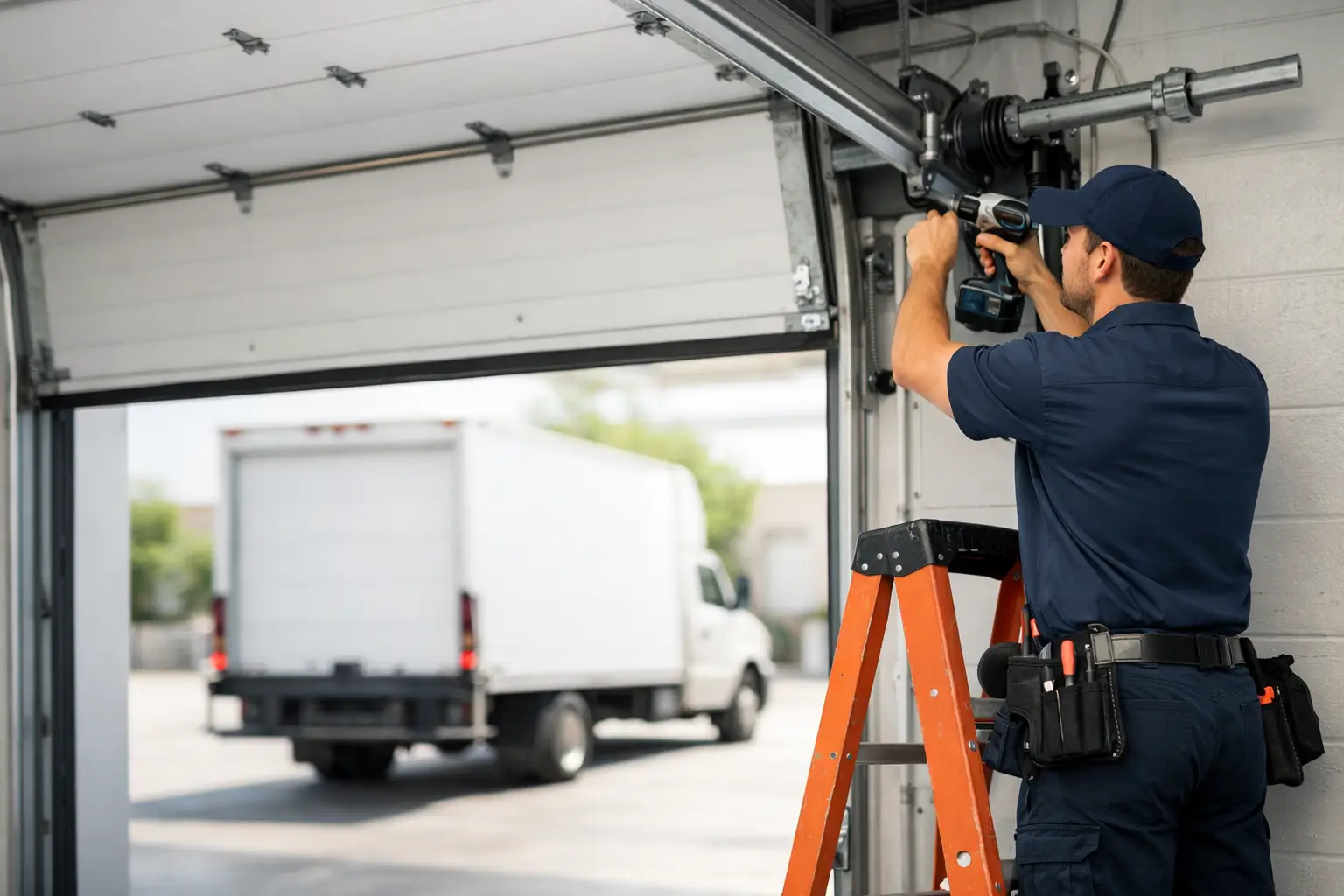
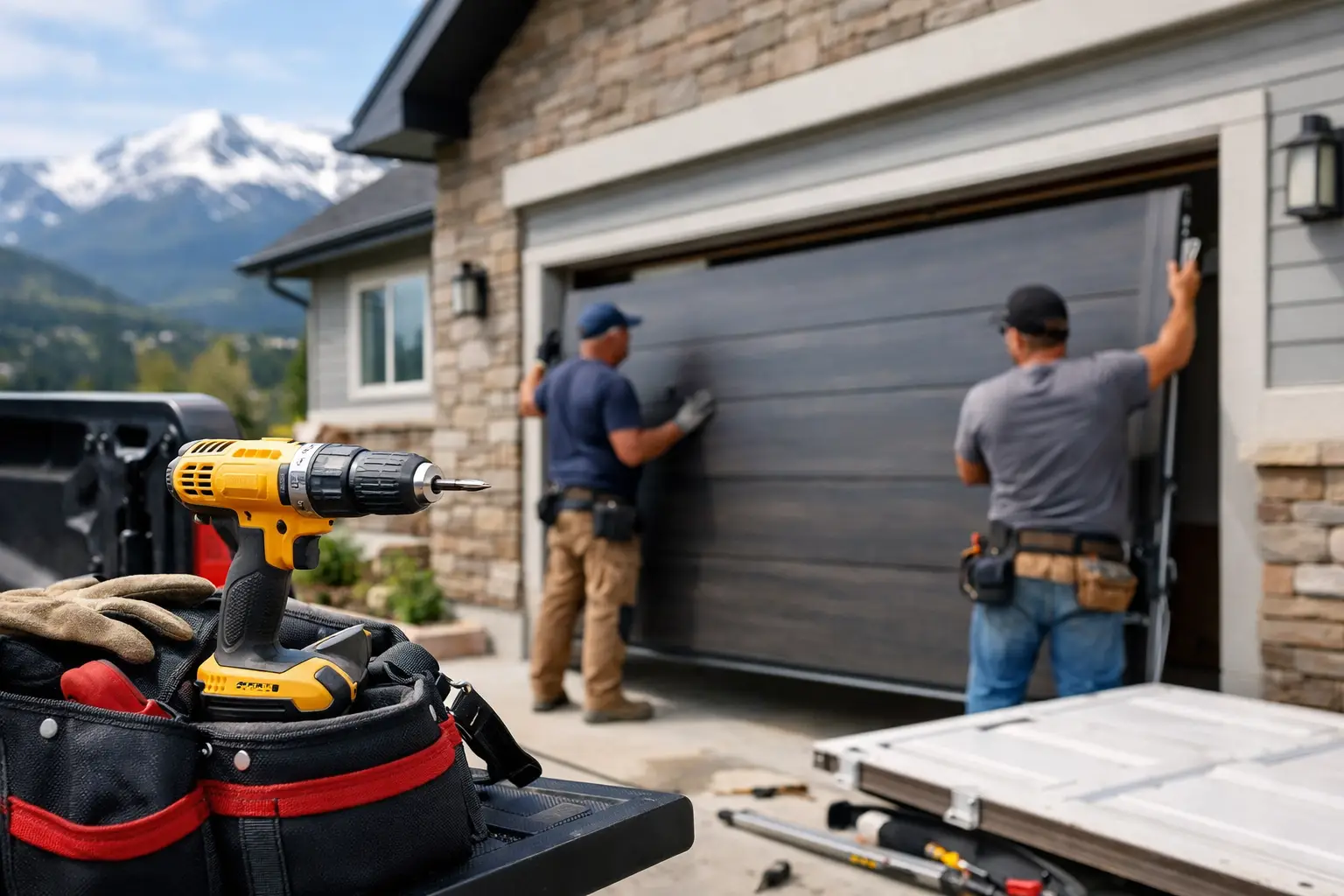
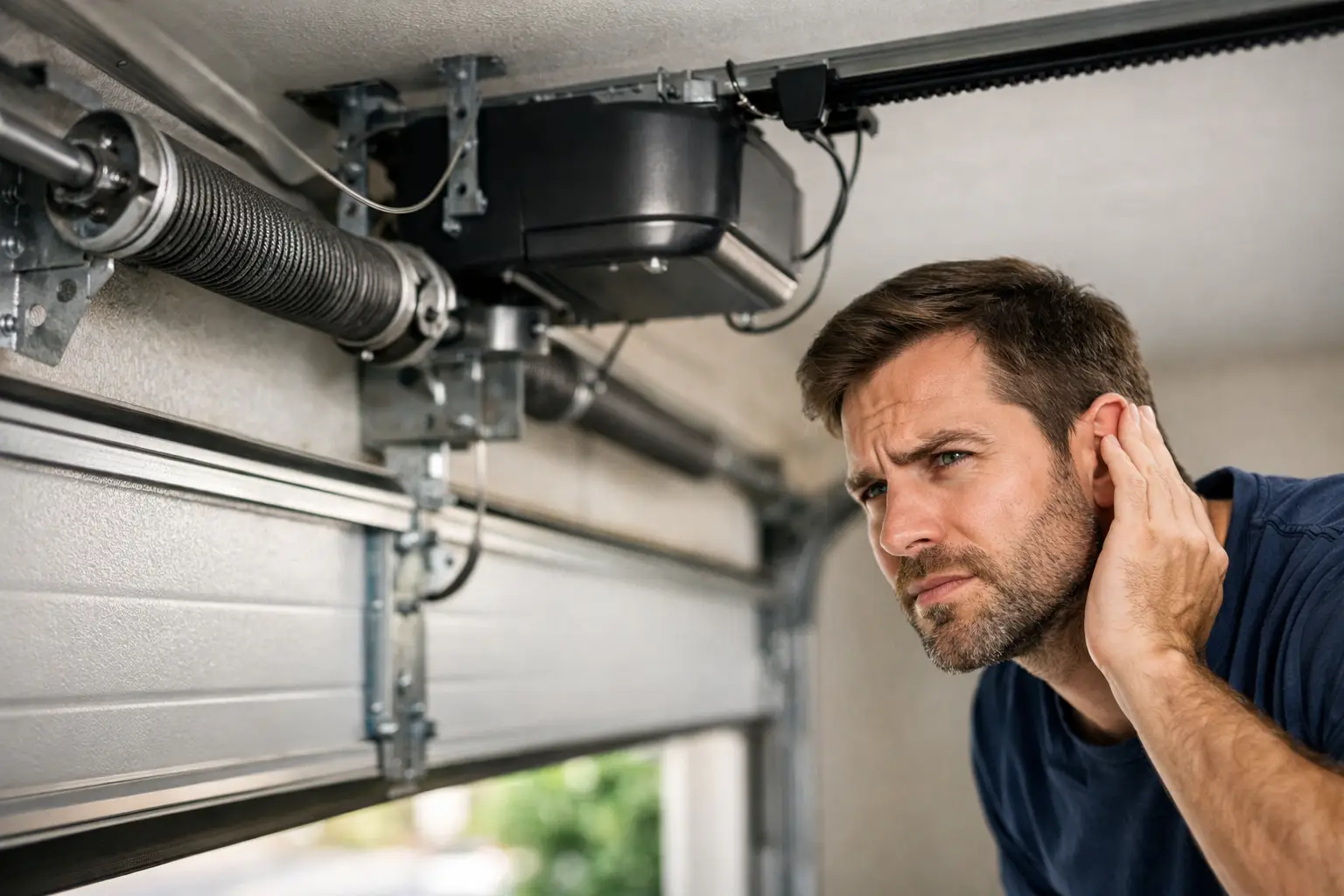



A garage door can look fine from the driveway and still be working far harder than it should. If the door feels unusually heavy, slams down, reverses for no clear reason, or makes the opener strain, the balance may be off. Knowing how to test garage balance can help you catch a spring problem before a busy morning turns into a car-trapped-in-the-garage problem.
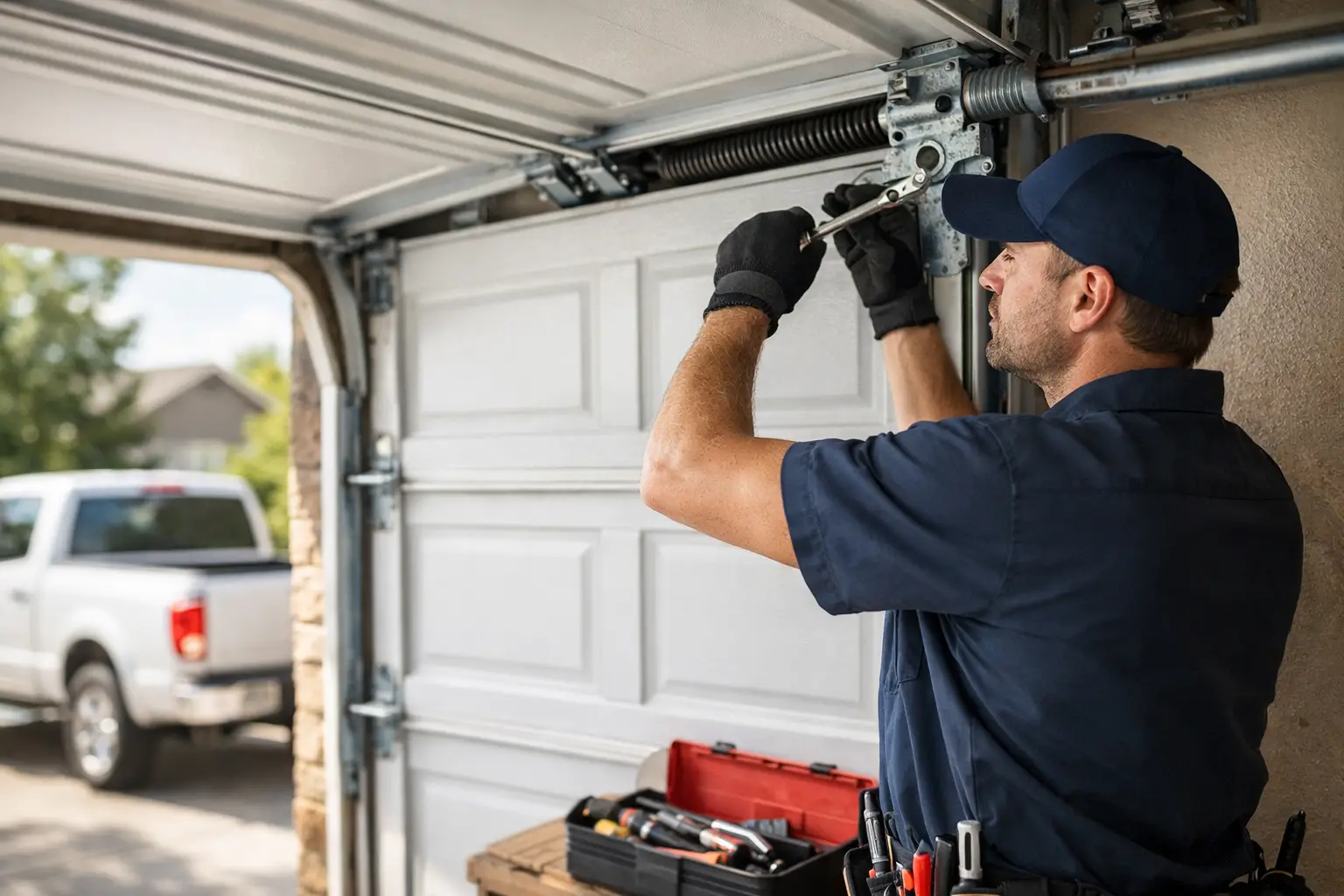
This is a simple homeowner check, not a spring repair project. Garage door springs carry a serious amount of stored force. You can safely observe how the door behaves, but adjusting, winding, or replacing springs is a job for a trained technician.
What Garage Door Balance Means
A properly balanced garage door should feel surprisingly light when the opener is disconnected. The springs do the lifting work. The opener's job is to guide the door, not drag its full weight up the track.
When the springs are correctly matched and adjusted, the door should move smoothly and remain near the position where you leave it. A slight drift is not always a crisis, especially with a heavy insulated door, but a door that drops quickly or shoots upward needs attention.
Balance changes as springs wear. In Northern Colorado, temperature swings can also make an existing weakness show up fast. Cold weather may stiffen rollers and bearings, while regular use slowly weakens the springs that counterbalance the door.
How to Test Garage Balance Safely
Start only when the garage door is completely closed. Make sure children, pets, vehicles, and anyone who might use the opener are clear of the area. If you see a loose cable, a visibly broken spring, a bent track, a crooked door, or a roller out of its track, stop here. Do not pull the emergency release or try to move the door yourself.
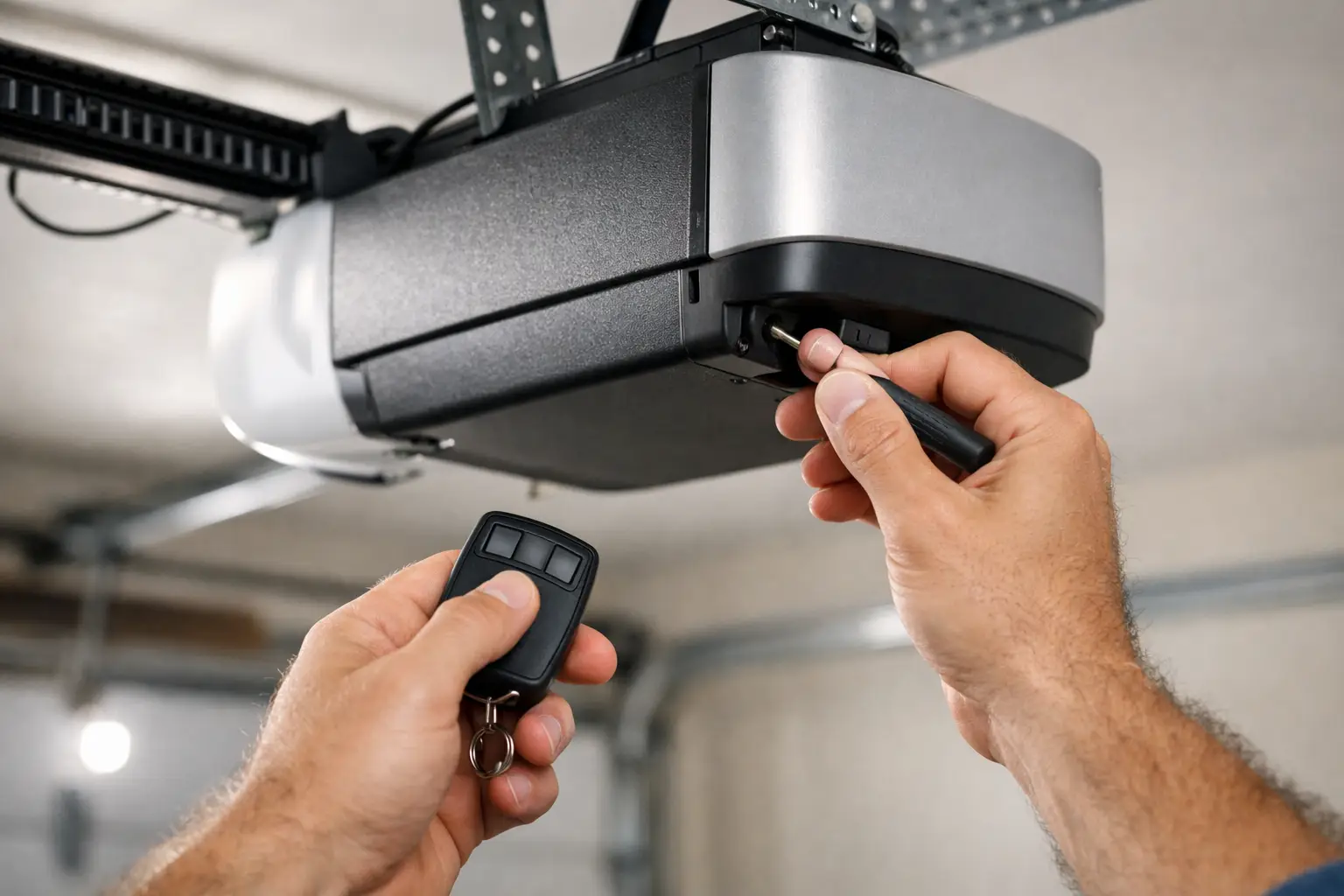
With the door closed, unplug the opener if you can safely reach the outlet. Then pull the red emergency-release handle to disconnect the door from the opener trolley. On most residential doors, this lets you lift the door manually. If the release will not disengage easily, do not force it.
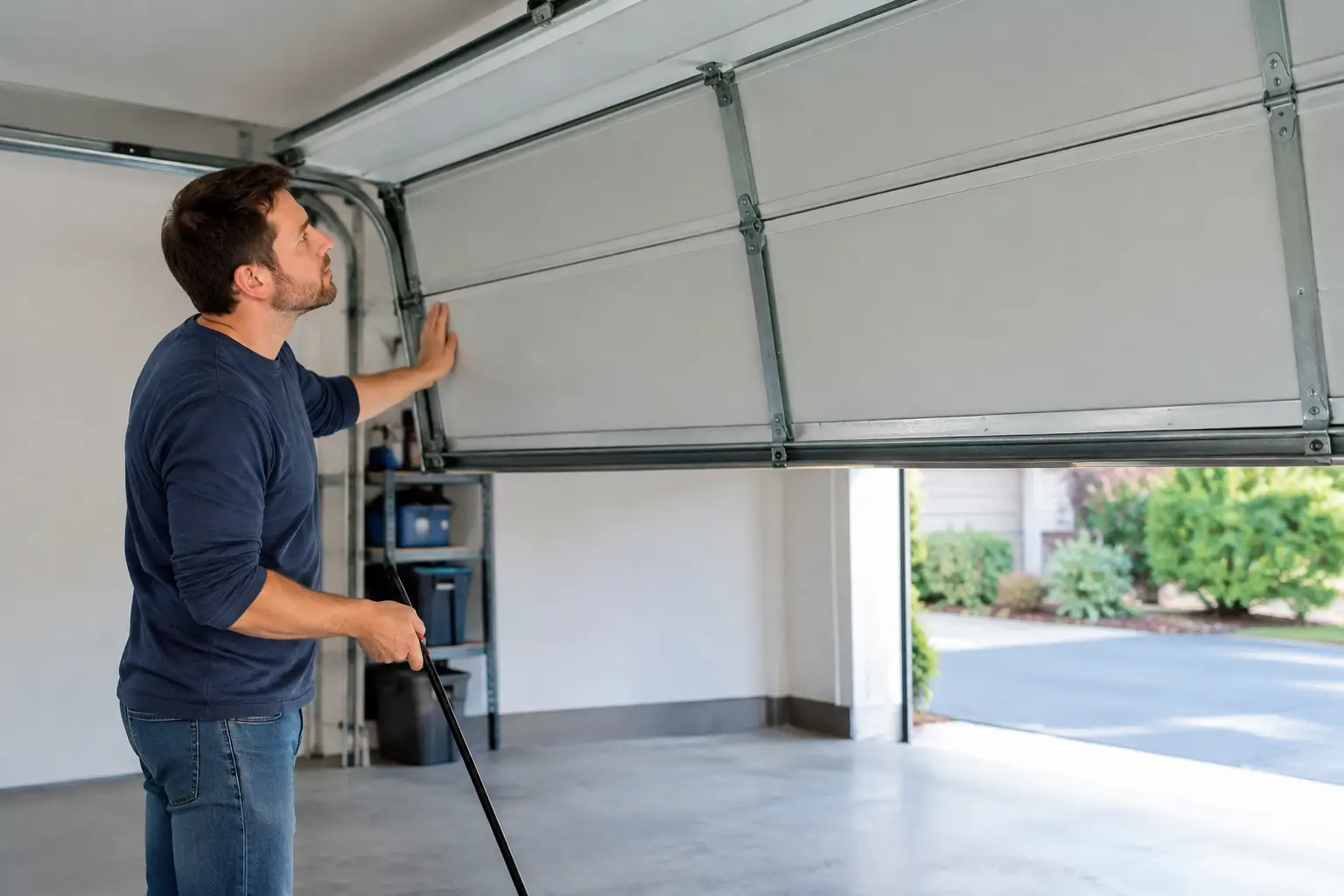
Lift the door slowly with both hands. Pay attention to the effort it takes. A balanced door should lift with steady, manageable force. It should not feel like you are lifting the full weight of a large appliance, and it should not bind, jerk, scrape, or pull to one side.
Raise the door to about waist height, then carefully let go while standing clear of its path. A well-balanced door should stay roughly in place. It may move an inch or two, but it should not race to the floor or fly upward toward the open position.
Next, move it to about halfway open. Again, the door should stay close to where you leave it. Finally, lift it until it is nearly fully open. It should remain open without drifting down. Keep your hands away from hinges, rollers, tracks, and the spring assembly throughout the test.
When you are done, lower the door carefully all the way to the floor before reconnecting the opener. Re-engage the trolley according to the opener's normal procedure, restore power, and run one complete open-and-close cycle while watching from a safe distance.
What the Results Are Telling You
A garage door that stays in place at several heights is generally balanced well enough for normal operation. That does not guarantee every part is perfect, but it is a good sign that the springs are carrying their share of the load.
If the door falls when you release it, the springs may have lost tension, a spring may be broken, or the door may have another issue creating excessive weight or drag. Do not keep running the opener in hopes that it will push through. That can burn out the motor, strip internal gears, or damage the top section of the door.
If the door rises on its own, the springs may be over-tensioned. That can make the door difficult to close, interfere with the opener's safety settings, and place added stress on cables and hardware.
A door that feels heavy on one side, hangs crooked, or moves unevenly is a different kind of warning. It can point to a cable problem, a damaged drum, a seized roller, track damage, or a spring issue. Stop using the door if it is visibly uneven. One side can come down unexpectedly, and further operation can turn a manageable repair into a damaged door or off-track emergency.
Signs You Should Skip the Test and Call for Service
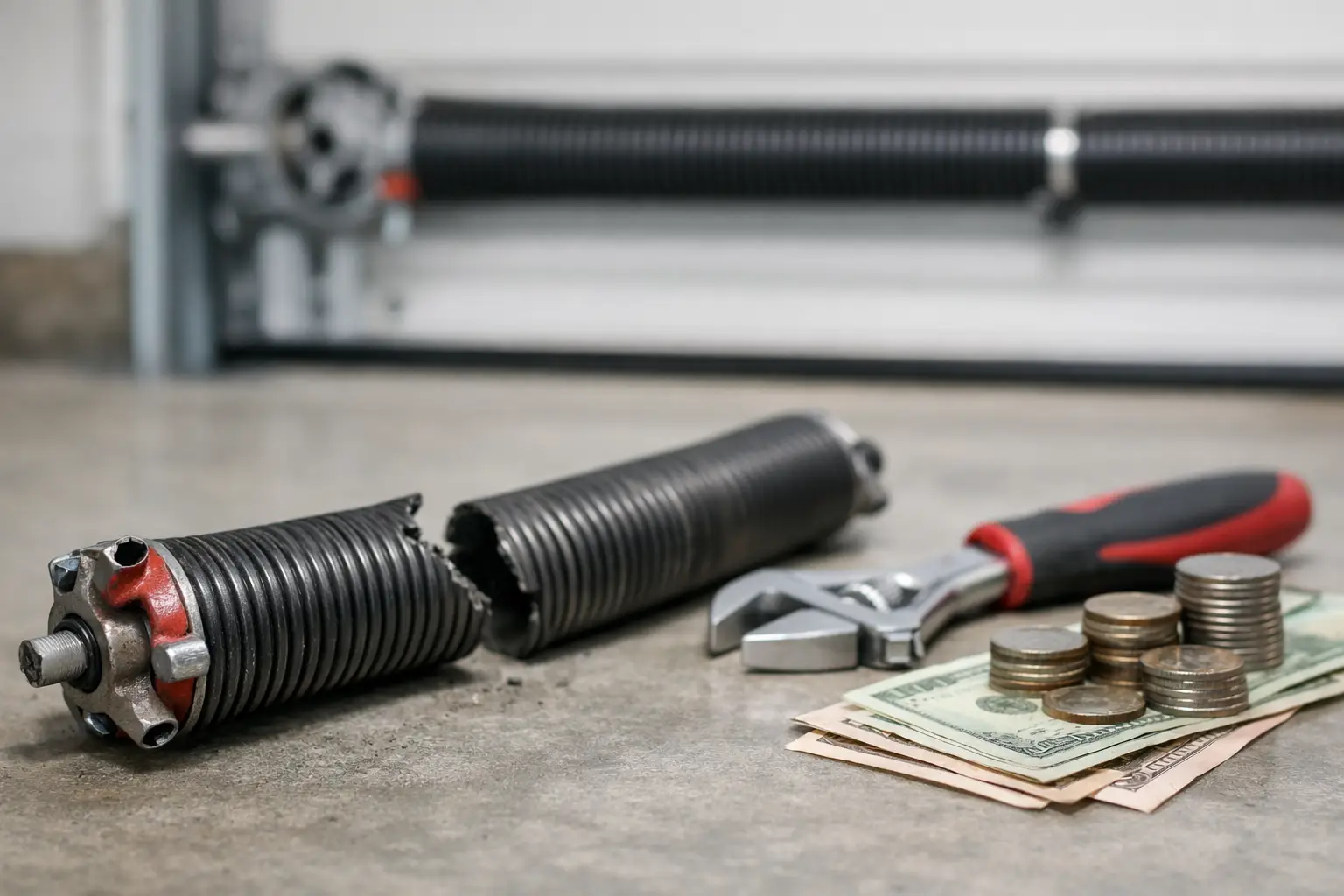
There are times when testing balance is not worth the risk. Leave the door alone and arrange service if you hear a loud bang from the garage followed by a door that will not open. That sound often means a torsion spring has broken.
You should also stop if there is a gap in the spring above the door, a cable is loose or wrapped incorrectly, the door is stuck open, or the tracks are bent. Never touch the winding cones at the ends of a torsion spring, loosen set screws, or attempt to wind a spring with household tools. Those parts can cause severe injury when handled incorrectly.
Extension-spring systems need the same respect. These springs run along the horizontal tracks or overhead. If an extension spring is broken, stretched out, or missing a safety cable through its center, do not operate the door. A qualified technician can identify the correct spring size and make the repair without guessing.
Commercial overhead doors are another case where professional service is the right call. Their springs, cables, and operators are often larger and under higher cycle demands. Property managers and business owners should report unusual movement early rather than waiting for a door to fail during deliveries or closing time.
Why an Unbalanced Door Is Hard on Your Opener
Many homeowners assume a slow or noisy door means the opener is failing. Sometimes that is true. More often, the opener is reacting to a door that is no longer properly counterbalanced.
An opener is designed to move a balanced door through its travel path. When the springs are weak, the motor has to work overtime every time the door opens. You may notice humming, slower movement, a burning smell, intermittent reversal, or a door that opens a few feet and stops. Replacing an opener without correcting the balance issue can leave the new unit facing the same strain.
The trade-off is simple: a minor adjustment or spring replacement done at the right time is usually far less disruptive than an opener replacement, a damaged panel, or an emergency call after the door is stuck open overnight.
A Quick Monthly Check Helps
For most homes, test the balance about twice a year and anytime the door begins acting differently. A monthly visual check is useful too. With the door closed, look for frayed cables, loose hardware, worn rollers, rust around the spring, or gaps in the weather seal that can let in snow and wind.
You can also listen during normal operation. A door that suddenly becomes louder, shakes heavily, or pauses during travel is asking for attention. Lubrication may help some moving parts, but lubricant will not fix a weak spring, worn cable, or damaged track. Avoid spraying grease on the tracks, since it attracts dirt and can make rollers slide poorly.
If your door does not pass the balance test, keep it closed if possible and avoid using the opener. For homeowners in Greeley, Evans, Windsor, and Ault, Greeley Garage Door Repair by Mike can inspect the system, explain what failed, and provide clear repair options before work begins. A balanced door is easier on the opener, safer for your household, and much less likely to choose the worst possible time to quit.