


If your garage feels like an oven in July and a freezer in January, the question of insulated vs non insulated garage doors is not just about price. It affects comfort, noise, durability, and how much you notice that garage every single day. For homeowners, the right choice usually comes down to how the garage is used, how the home is built, and how much weather gets pushed through that door.
A lot of people assume insulation only matters if the garage is fully heated or cooled. That is not always true. Even in a basic attached garage, the door is one of the largest moving parts of the house and one of the biggest weak spots for outside temperatures, street noise, and dents.
Insulated vs non insulated garage doors: the real difference
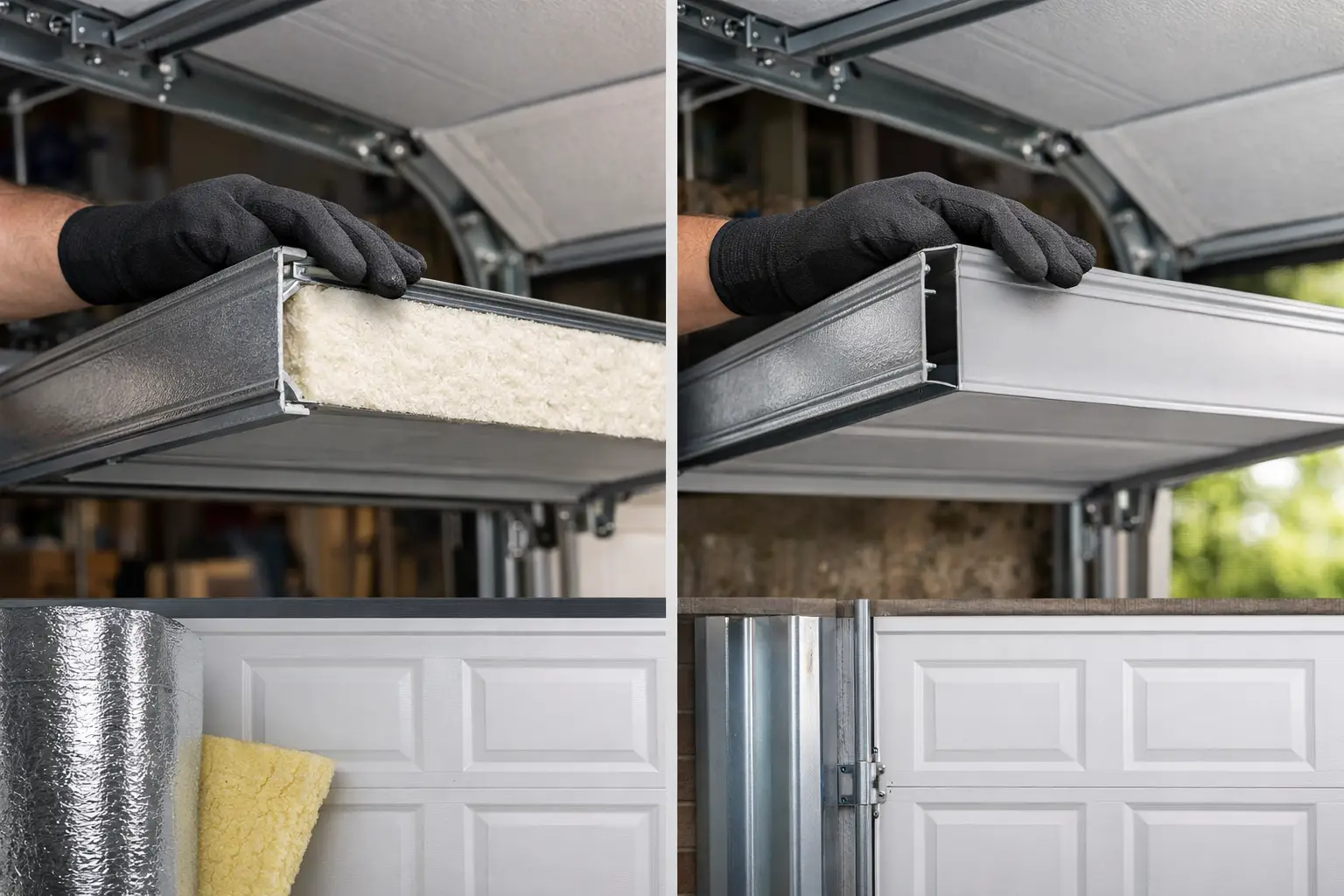
A non-insulated garage door is usually a single layer of steel or another material with no added insulation inside. It does the basic job - opens, closes, secures the opening, and keeps out rain, wind, and debris. It is often the more affordable option upfront.
An insulated garage door has added layers and insulation material between them, often polystyrene or polyurethane. That extra construction changes more than temperature control. It can make the door feel sturdier, sound quieter, and hold up better over time.
This is where many homeowners get stuck. They compare price tags without thinking much about day-to-day use. If your garage is just a place to park and you rarely spend time in it, a non-insulated door may be enough. If the garage shares walls with living space, has a bedroom above it, doubles as a workshop, or stores items that should not sit in extreme temperatures, insulation starts to make a lot more sense.
When a non-insulated garage door makes sense
There is nothing wrong with choosing a non-insulated garage door if it matches the space and the budget. For some homes, it is the practical answer.
A detached garage is the clearest example. If the garage is separate from the house and used mostly for parking or basic storage, you may not get much value from paying extra for insulation. The same goes for property owners who need a simple replacement fast and want to keep upfront costs down.
Non-insulated doors are also lighter in many cases, which can reduce strain on some older opener systems if everything is properly matched. They can be a solid fit for rental properties, sheds with overhead doors, or garages where temperature swings are not a major concern.
The trade-off is that these doors usually feel thinner, sound louder, and dent more easily. If a basketball, trash can, or bumper taps the panel, a lighter single-layer door tends to show it.
When an insulated garage door is worth the extra cost
For many homes in Northern Colorado, insulated doors are the better long-term choice. You do not need a fully climate-controlled garage to benefit from one.
If your garage is attached to the house, insulation helps reduce the transfer of outside heat and cold into adjacent rooms. That can matter if there is a bedroom over the garage, a laundry room next to it, or a shared wall with the kitchen or family room. You may not see a dramatic drop in utility bills from the garage door alone, but you can notice a more stable indoor feel.
Insulated doors also help if you use the garage as a workspace, home gym, hobby area, or entry point several times a day. The difference is especially noticeable during winter mornings and summer afternoons. The garage may still be warmer or cooler than outside without feeling like the exact same temperature as the weather.
There is also the noise factor. Insulated doors usually open and close with less rattle and vibration. They can soften outside noise a bit too, which helps if the garage faces a busy street or alley.
R-value matters, but not as much as sales pitches suggest
You will probably hear about R-value when shopping for garage doors. R-value measures how well a material resists heat flow. In simple terms, higher numbers mean better insulation.
That said, homeowners should be careful not to chase the highest number just because it sounds better. The door itself is only one part of the system. Weather seals, bottom seal condition, installation quality, and the garage's walls and roof all matter too.
A well-installed insulated door with decent sealing often performs better in real life than a higher-rated door installed poorly. That is why this decision should not be based on brochure language alone.
Durability and noise are often overlooked
One of the biggest reasons people end up liking insulated doors has nothing to do with temperature. It is how solid they feel.
Many insulated garage doors are built with multiple layers, which gives them better structural strength. They tend to resist dents better than thin single-layer doors, and they generally flex less during operation. That can be helpful over time, especially for families using the garage as the main entrance.
The quieter operation is another real benefit. Garage doors have a lot of moving parts, and some noise is normal. But a flimsier door can add extra vibration and panel rattle. An insulated model often sounds smoother, especially when paired with good rollers and a properly adjusted opener.
Cost: upfront savings vs long-term value
If budget is the top concern, non-insulated doors usually win on initial cost. They are simpler, lighter, and less expensive to manufacture and install.
But lower price does not always mean better value. If the garage is attached, heavily used, or exposed to harsh sun, wind, and cold, the benefits of insulation can justify the added cost. Better durability may mean fewer panel issues. Better comfort may make the garage more usable. Better noise control may matter more than you expected once the door is in place.
This is one of those home decisions where the cheapest option can be completely fine in one house and the wrong fit in another. It depends on use, not just budget.
Insulated vs non insulated garage doors for Colorado homes
Local weather changes the equation. In places like Greeley, Evans, Windsor, and Ault, garages deal with cold snaps, summer heat, wind, and fast temperature swings. That does not automatically mean every home needs an insulated garage door, but it does make insulation more valuable than it might be in a milder climate.
If your garage gets blasted by afternoon sun or winter wind, a non-insulated door will do very little to slow those conditions down. If your garage is attached to the house, you are more likely to notice the difference an insulated door makes.
Homeowners also need to think about what is stored in the garage. Paint, tools, cleaning products, sports gear, and batteries can all be affected by extreme temperatures. Insulation will not turn a garage into conditioned living space, but it can help reduce the worst swings.
How to choose the right door for your home
The best decision usually starts with three simple questions. Is the garage attached or detached? Do you use it for more than parking? Do you care more about lower upfront price or better comfort and durability over time?
If the garage is detached and basic, non-insulated is often enough. If the garage is attached, used daily, or sits under or beside finished living space, insulated is usually the smarter investment.
It also helps to think past the door panel itself. The right spring setup, opener strength, track condition, and seal quality all affect how the door performs. A good garage door should fit the home and the way you actually live in it, not just look good from the curb.
At Greeley Garage Door Repair by Mike, this is the kind of choice we like to keep simple. No pressure, no upsell, just a straight answer based on your garage, your budget, and how you use the space.
If you are replacing a garage door, the best option is usually the one you will still feel good about after the first cold morning, the first hot afternoon, and the hundredth time the door rolls up without a bunch of extra noise.