
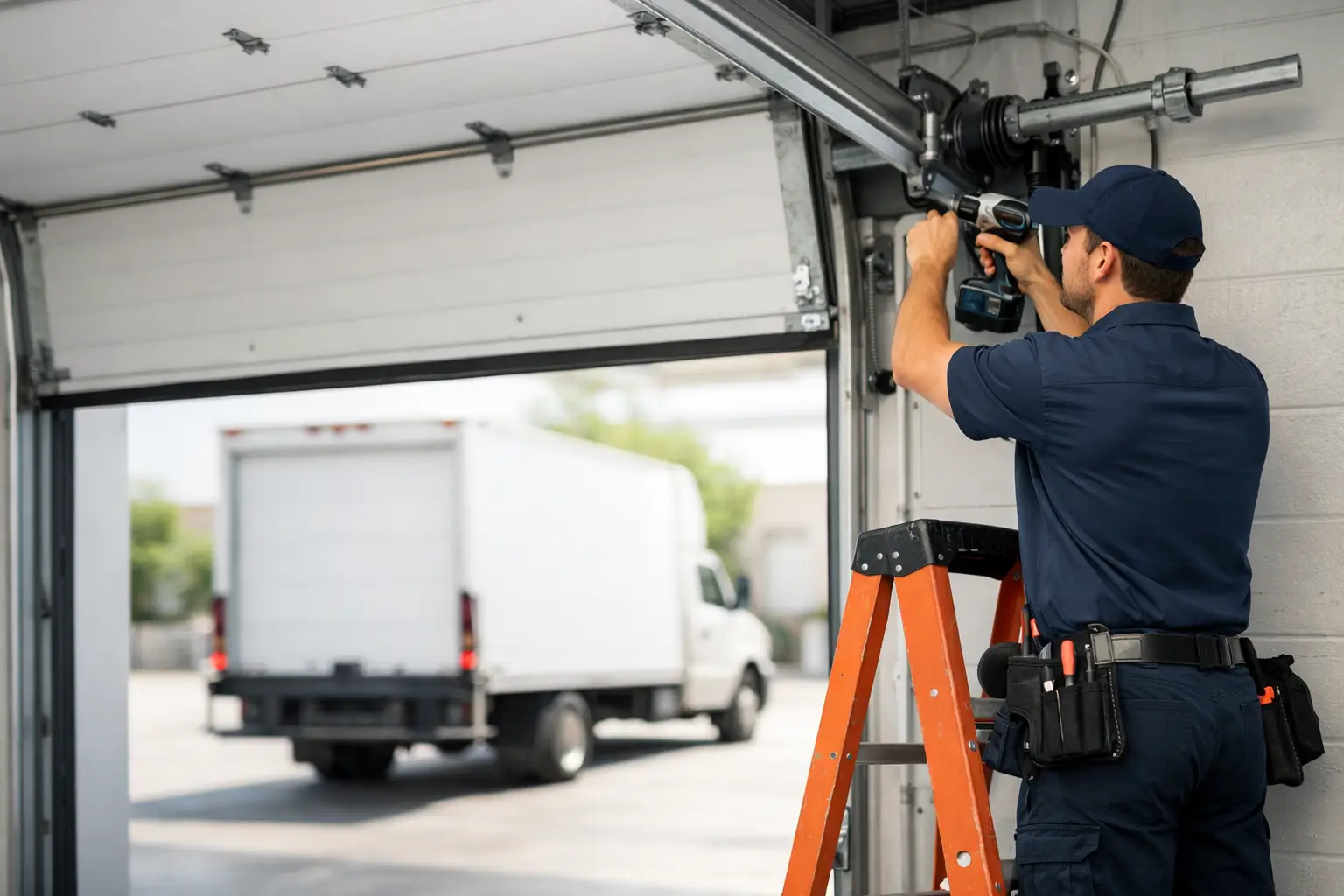


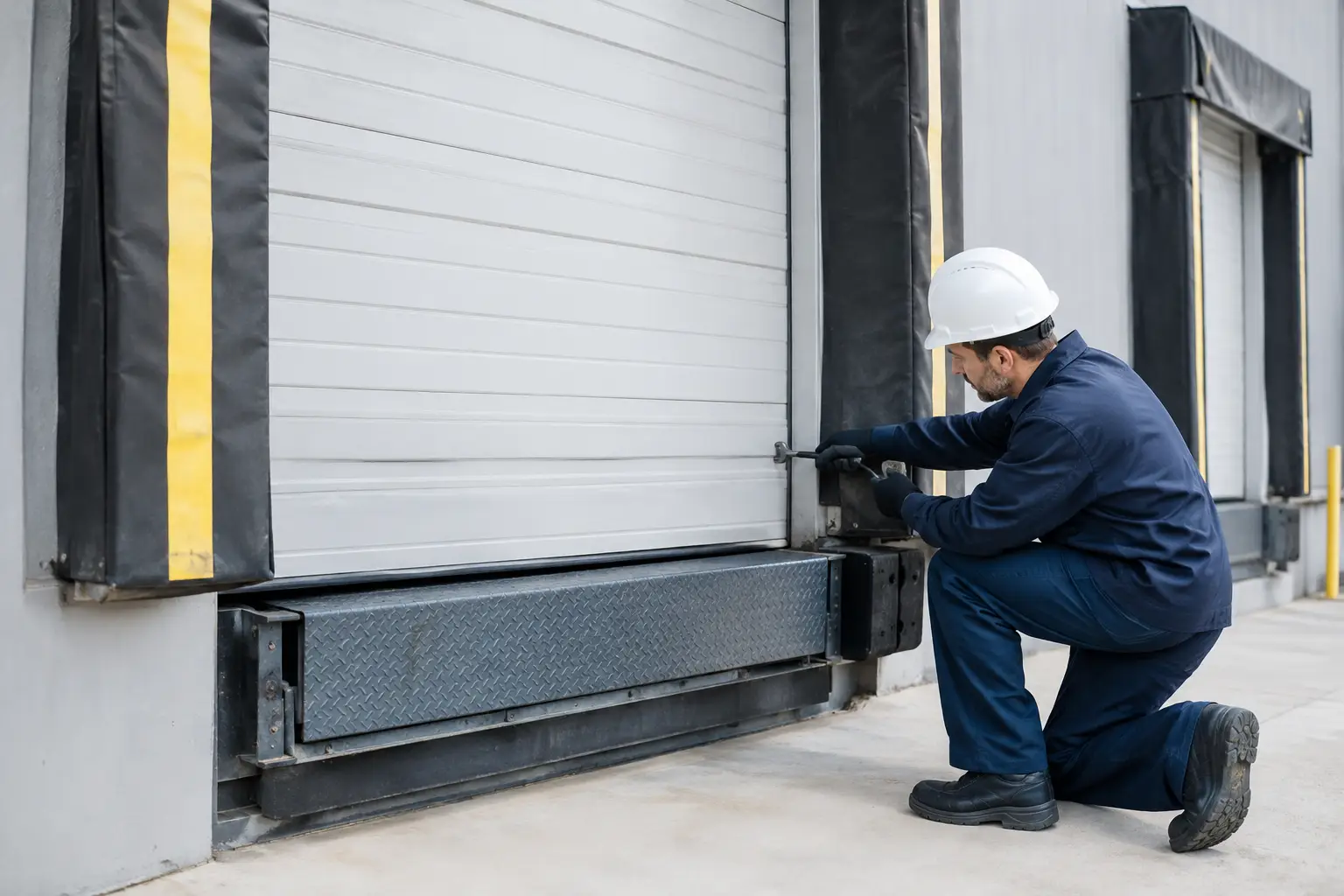
A loading dock door that stops halfway down can bring a receiving schedule to a standstill. This loading dock door repair example shows how a technician should approach the problem: protect the people and inventory around the opening first, find the actual failed part, then make a repair that restores dependable daily operation instead of just getting the door moving once.
The Call: A Door Stuck Open at a Busy Dock
Picture a small Northern Colorado warehouse with one active loading bay. The sectional overhead door opens normally in the morning, but after a delivery it will only travel halfway down. The bottom section sits crooked in the opening, one cable appears loose, and the operator hums when a worker presses the wall button.
This is not a situation for employees to force the door down or pull on the cable. A partially open dock door creates a security gap, lets weather into the building, and can become a serious injury hazard if the door shifts unexpectedly. The right first move is to keep people clear of the opening, stop using the operator, and call a commercial door technician.
When the technician arrives, the goal is not to guess that the opener is bad. A door operator can sound like the problem when it is actually struggling against a damaged cable, worn roller, broken spring, bent track, or a door that has come off track.
What the Inspection Revealed
In this example, the technician disconnects power and secures the door before inspecting the hardware. The inspection finds three related problems: the bottom roller on one side has worn badly, the cable has slipped from its drum, and the vertical track is bowed near the lower roller.
The opener was not the primary failure. It was trying to move a door that was no longer traveling straight. Continuing to run it could have damaged the operator, pulled the door farther out of the track, or caused the door to drop unevenly.
That is why a proper dock door repair starts with the whole system. The panels, hinges, rollers, cables, drums, springs, tracks, bearings, operator, safety devices, and bottom seal all affect how the door moves. Replacing one obvious part without checking the rest can leave the customer with another shutdown a few days later.
Why cables and rollers fail together
A cable usually does not jump off a drum for no reason. On a commercial door, worn rollers can make the door bind in the track. A minor track impact from a pallet, forklift, or delivery vehicle can make that binding worse. Once one side of the door lags behind, cable tension changes and the cable can loosen or come off the drum.
Sometimes the repair is straightforward. Other times, the damaged track section must be replaced rather than bent back into place. The decision depends on the severity and location of the damage. A track that is cracked, badly creased, or no longer holds its shape should not be treated as a quick adjustment.
The Loading Dock Door Repair Example: The Actual Fix
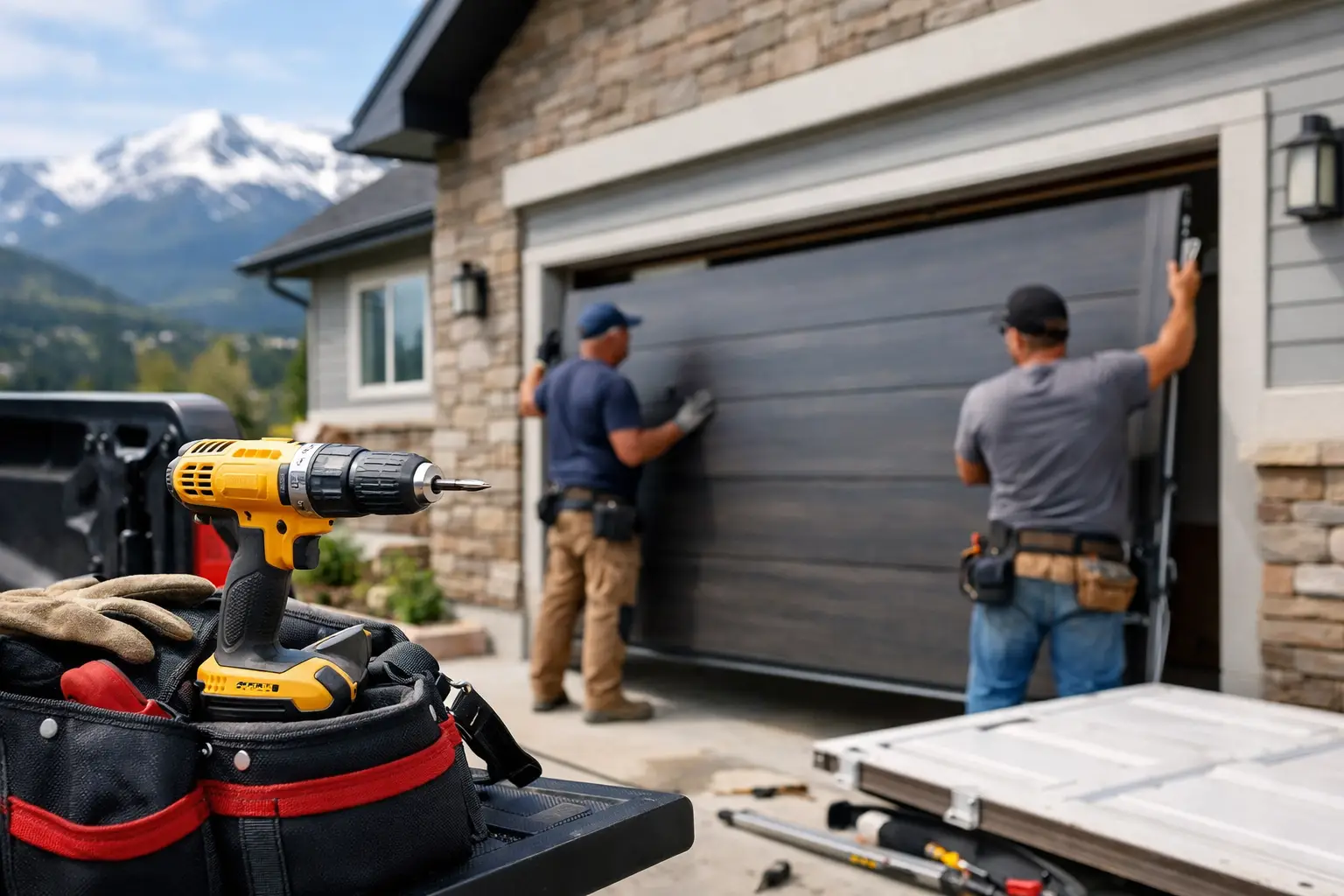
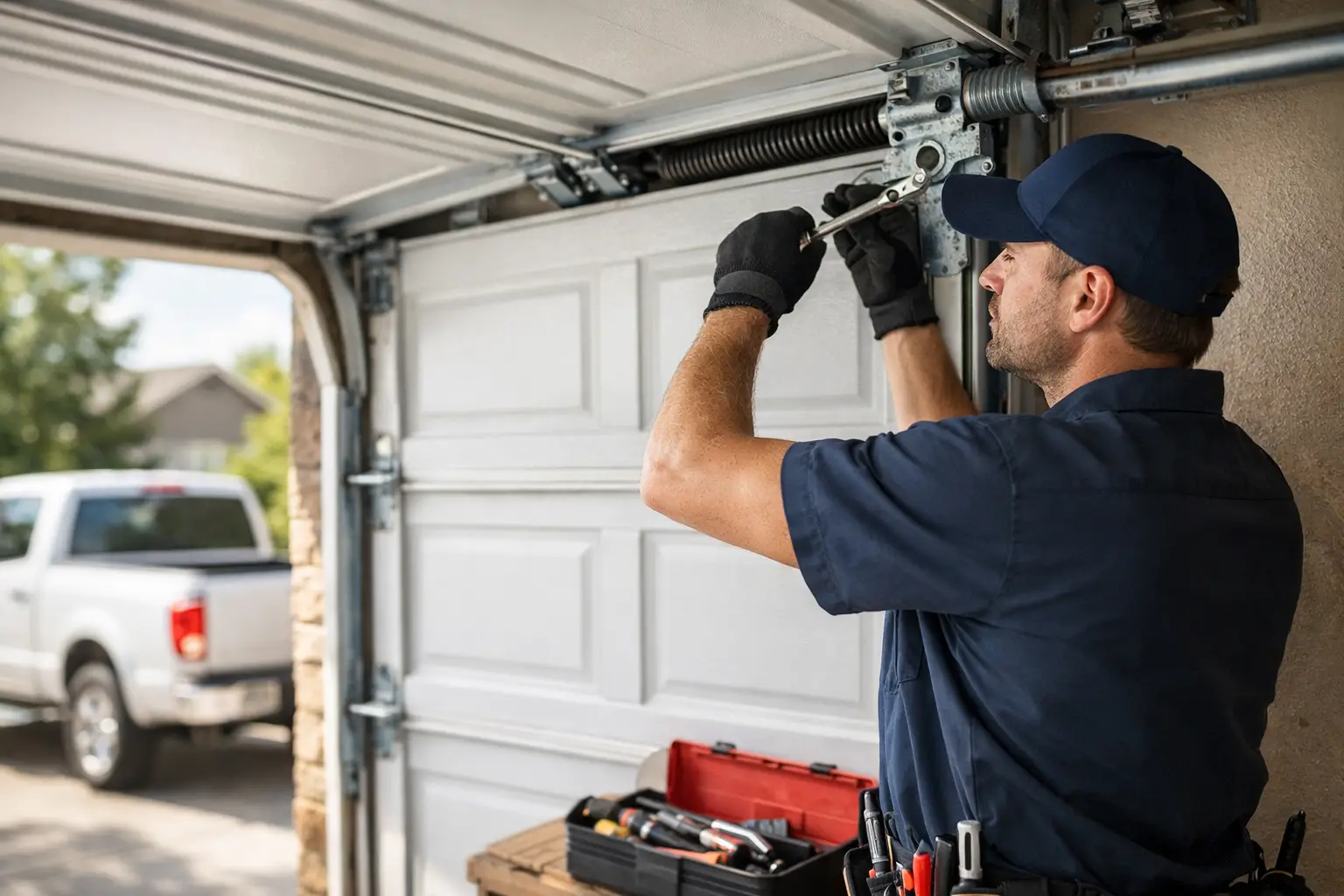
For this door, the technician first braces and secures the door in place. The damaged roller is removed, the bent vertical track section is replaced, and the cable is reset correctly on the drum. The technician then checks the cable for fraying and verifies that the drum, shaft, bearings, hinges, and remaining rollers are in usable condition.
Next comes the part that separates a temporary fix from a safe repair: balancing the door. The technician tests spring tension and confirms the door can stay near mid-travel without racing upward or dropping downward. A commercial operator is designed to guide a properly balanced door. It should not have to carry the full weight of the door.
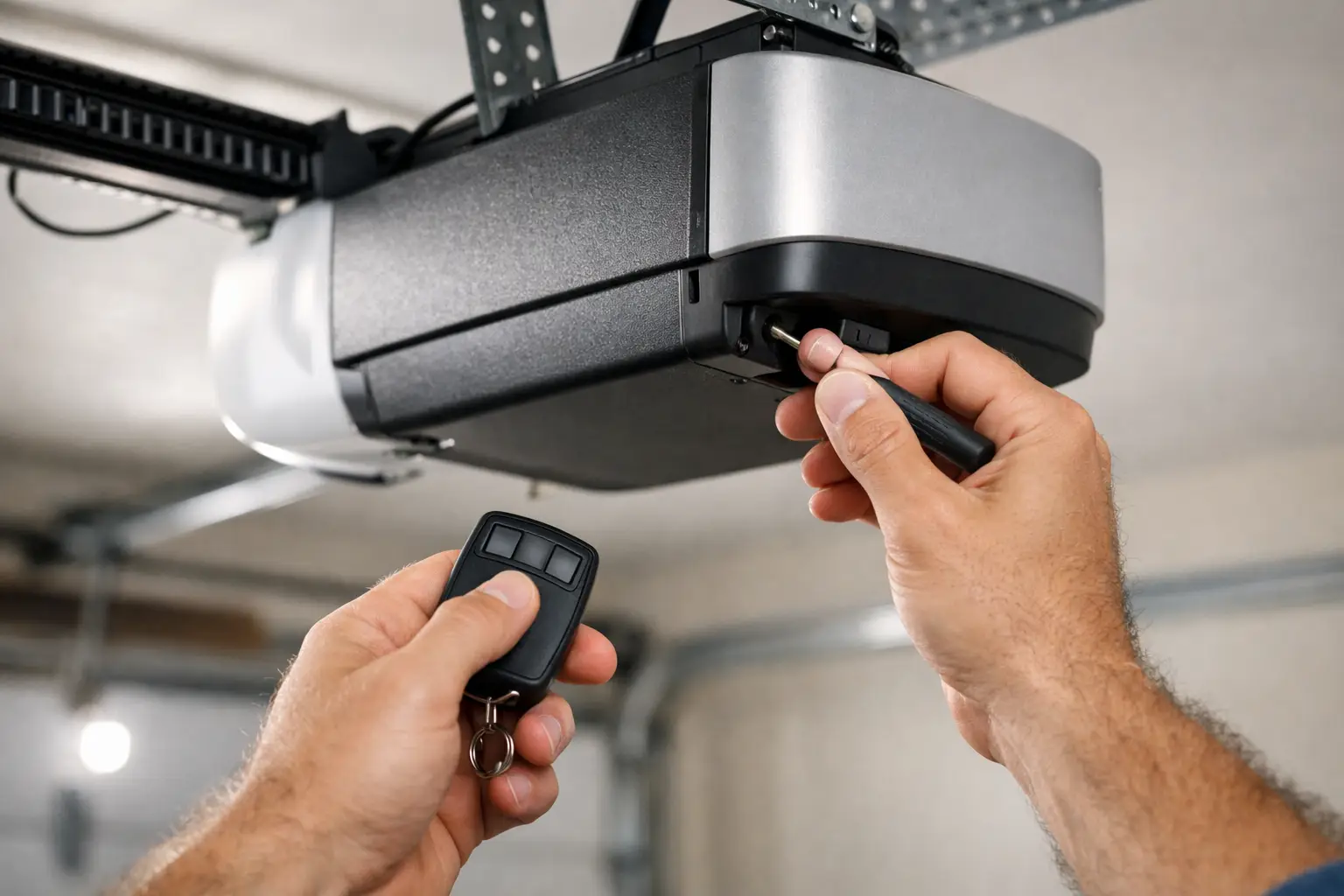
After the mechanical repair, the operator is reconnected and tested through multiple open-and-close cycles. The safety photo eyes and reversing function are checked, the travel limits are adjusted if needed, and the door is watched for smooth movement at the top and bottom of its travel.
The dock can return to service only after the door runs evenly, seals properly, and reverses as it should when a safety device is triggered. That full sequence matters more than simply getting the door closed before the next truck arrives.
Repair or Replacement? It Depends on the Damage
Not every damaged dock door needs replacement. If the issue is limited to rollers, cables, hinges, a single track section, springs, or an operator component, repair is often the sensible choice. It can restore safe operation quickly and avoid the cost and downtime of a full door installation.
Replacement becomes more practical when several panels are crushed, the sections no longer align, the door has repeated structural damage, or replacement parts are unavailable. A door that has been hit multiple times may still open and close, but recurring track problems and poor sealing can become an ongoing expense.
For a business with heavy truck traffic, a stronger commercial sectional door or rolling steel door may be worth considering. The right choice depends on the opening size, insulation needs, security requirements, available headroom, frequency of use, and whether forklifts or other equipment operate close to the door.
A good technician should explain the repair option and the replacement option in plain language. There should be no pressure to replace a door that can be repaired safely, and no false promise that a badly compromised door will be dependable after a minor patch.
Signs Your Dock Door Needs Service Before It Fails
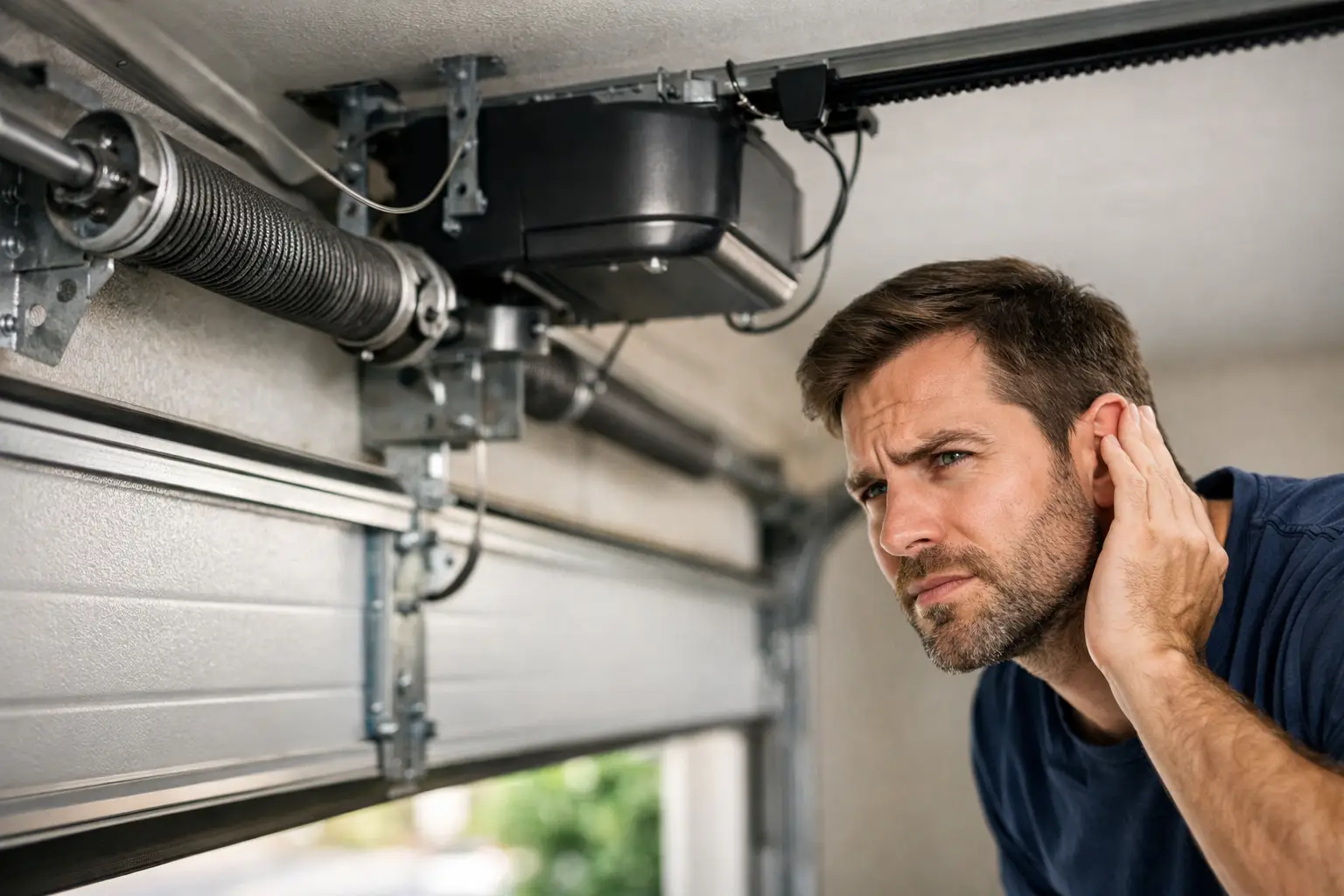
Most loading dock door problems give warning signs before the door becomes stuck. A door may start moving louder than normal, hesitate at one point in its travel, shake on the way down, leave a gap along the floor, or require the operator to work harder than usual.
Pay attention if workers report that the remote or wall control is inconsistent. The issue could be electrical, but it could also be a mechanical door problem causing the operator to trip its safety settings. Likewise, a cable that looks loose, a roller that is visibly worn, or a track that has been bumped should be inspected before the next delivery rush.
Commercial doors handle repeated cycles, vibration, temperature swings, dirt, and occasional impacts. Scheduled maintenance helps catch loose hardware, worn rollers, spring fatigue, weak cables, and safety-device problems while repairs are still manageable. For a business that relies on one or two dock doors, preventive service is often far less disruptive than an emergency shutdown.
What Not to Do With a Stuck Commercial Door
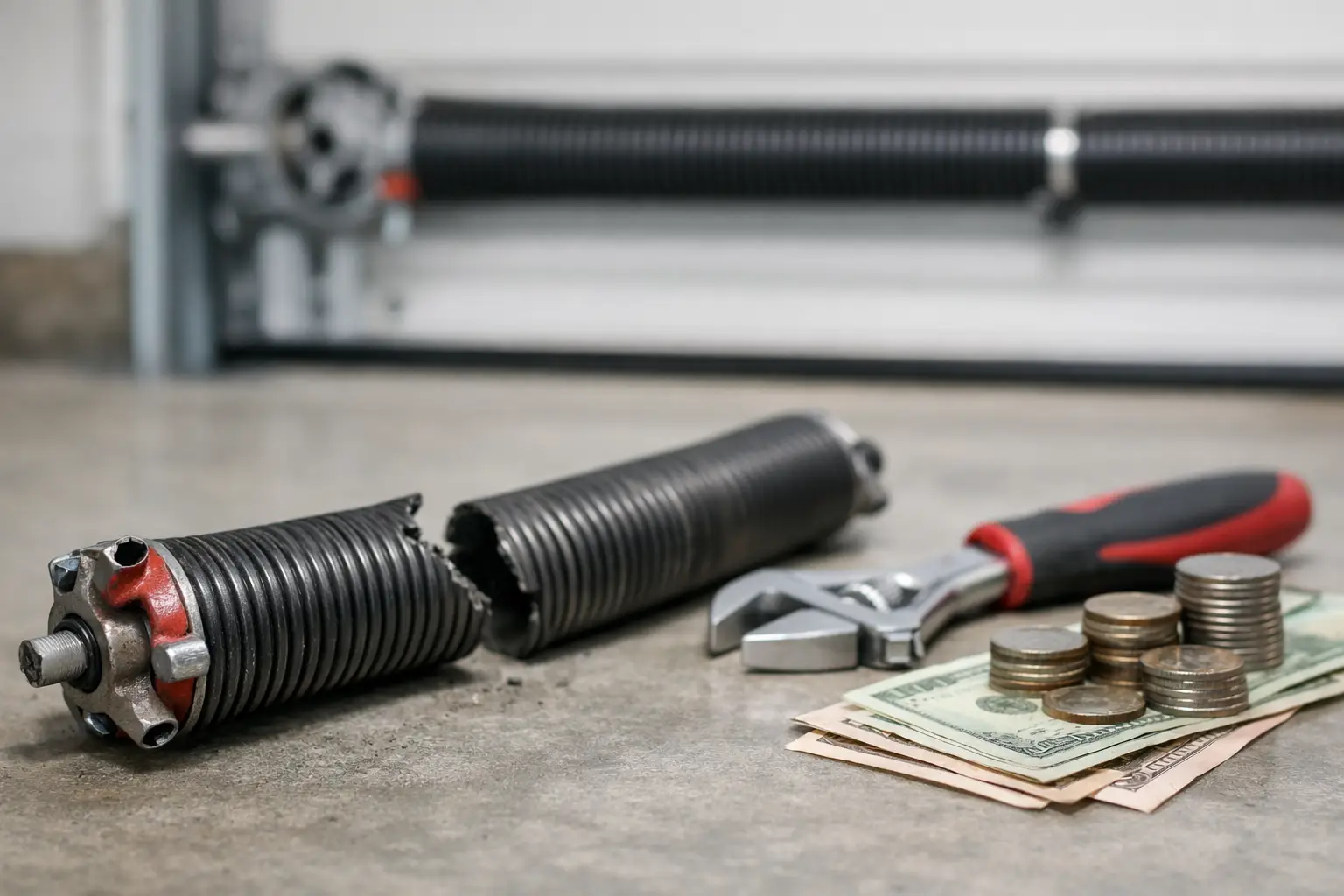
Do not ask employees to lift a heavy dock door by hand, especially if cables or springs look damaged. Do not keep pressing the opener button in hopes that it will straighten itself out. Repeated attempts can burn out an operator or pull a door farther off track.
Avoid clamping, tying, or improvising a repair around moving door parts. Springs and cables carry high tension, and commercial doors are heavy enough to cause major damage if they fall or shift. If the door must stay open temporarily for operations, keep the area controlled and have a qualified technician assess how it can be secured safely.
For businesses in Greeley, Evans, Windsor, and Ault, a local commercial door team can often diagnose the issue quickly because stocked service trucks carry many common rollers, cables, hinges, and operator parts. If a part is not suitable for a safe same-day repair, you should get a clear explanation of what is needed and what the next step will be.
A Better Outcome Than a Quick Patch
The best loading dock door repair is the one that lets your crew get back to work without wondering whether the door will fail at the next delivery. Greeley Garage Door Repair by Mike approaches commercial calls with that standard: identify the cause, explain the work and pricing upfront, and repair the door correctly whenever a safe repair is possible.
If your dock door is dragging, noisy, crooked, off track, or stuck open, treat it as an operational problem now rather than a later inconvenience. A timely inspection can protect your employees, your building, and the deliveries waiting on the other side of the door.