
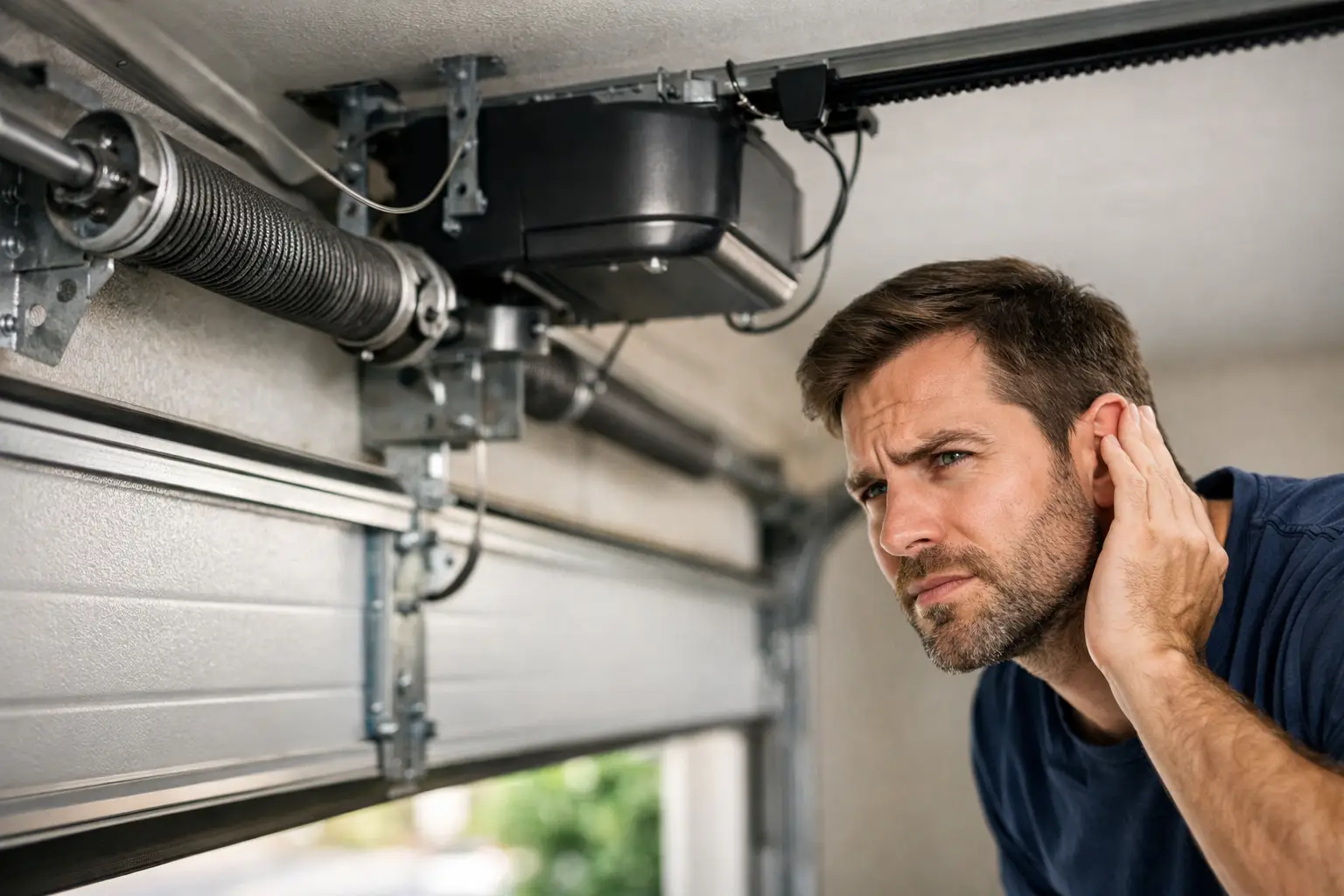


That grinding, squealing, or rattling sound is more than an annoyance when you leave for work early or come home late. A loud door can be the first warning that a roller, hinge, spring, cable, or opener part is wearing out. If you want to stop noisy garage door sounds before a small issue turns into a stuck door, start by identifying when the noise happens and what it sounds like.
Some noises have a simple fix. Others point to parts under extreme tension that should only be handled by a trained technician. The goal is not to make the door quiet for a week. It is to find the cause, correct it safely, and help the door keep running reliably through Northern Colorado weather.
What a Noisy Garage Door Is Trying to Tell You
Garage doors are heavy moving systems. They have hinges, rollers, tracks, springs, cables, brackets, and an opener all working together. A little operating sound is normal, especially with an older steel door. Sudden, sharp, or steadily worsening noise is not.
A squeak or squeal usually comes from dry metal parts. Hinges and rollers need the right lubrication to move without rubbing and chirping. A rumbling or grinding sound is more concerning. It can mean worn rollers, a damaged track, loose hardware, or an opener that is working harder than it should.
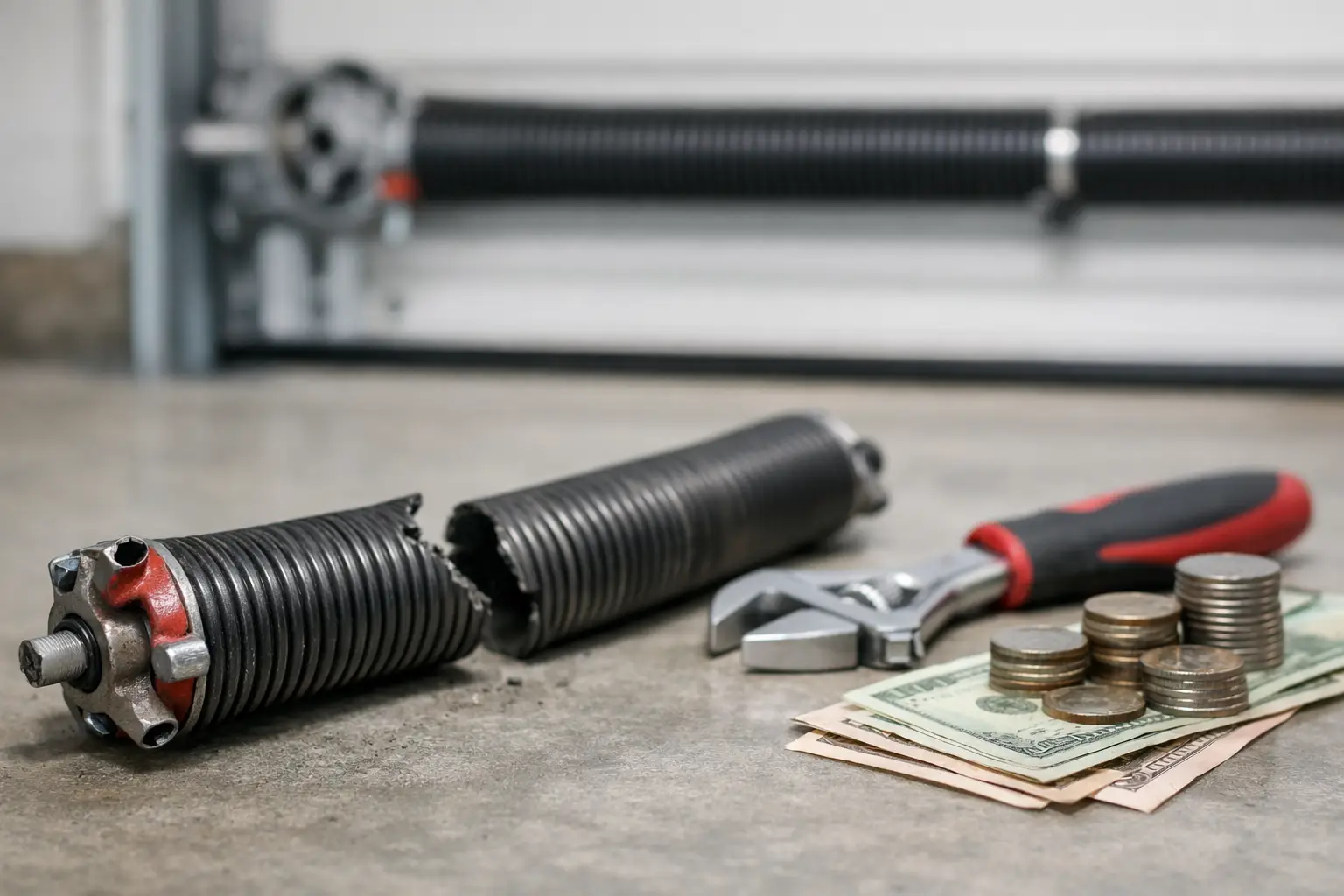
Banging, popping, or a loud snap needs prompt attention. Springs can make popping sounds as they weaken, and a broken torsion spring may create a loud bang that sounds like something hit the garage. Do not try to lift the door if you suspect a broken spring. The opener is not designed to carry that weight on its own, and the door can become unsafe quickly.
Pay attention to timing, too. Noise only when the opener runs may be an opener, chain, belt, or drive-gear issue. Noise while moving the door by hand points more toward the door hardware, rollers, tracks, or springs.
Safe Steps to Stop Noisy Garage Door Problems
Before touching anything, close the door fully. If the door is crooked, off its tracks, hanging on one side, or has a visibly loose cable, leave it alone and call for repair. Those conditions can get worse with one more cycle.
For a normally operating door, you can safely handle basic inspection and maintenance.
Tighten visible hardware
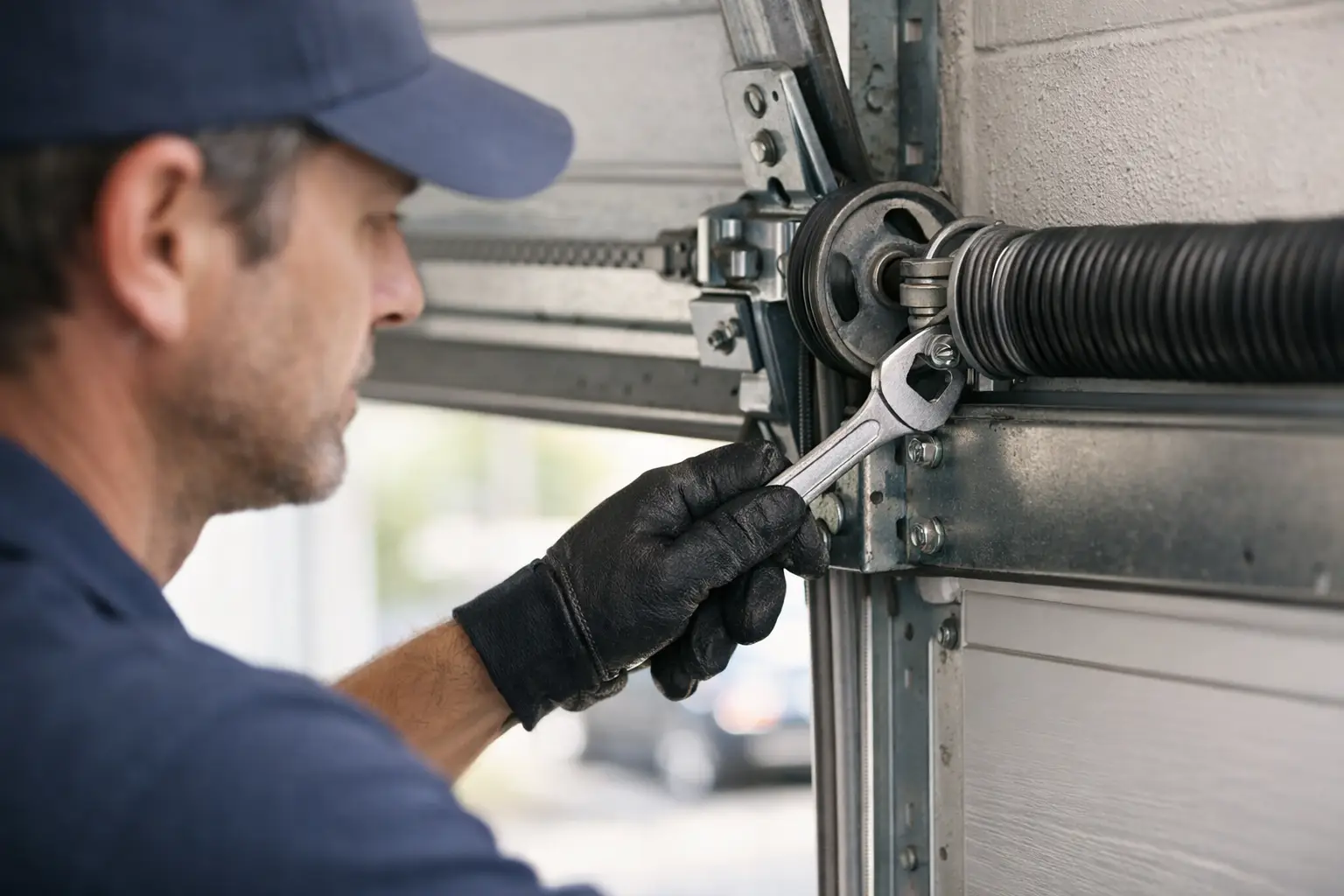
Daily use and vibration can loosen bolts and nuts along the hinges, roller brackets, and track supports. With the door closed, use a socket wrench to snug up loose fasteners. Do not overtighten them, and do not adjust the bottom roller brackets. Bottom brackets are connected to the lift cables and spring tension. Removing or loosening them can cause serious injury.
Also look at the horizontal and vertical tracks. They should be firmly mounted and free of obvious dents or bends. Do not assume every track needs to be perfectly level by eye. Garage door tracks are set to specific positions, and moving them without experience can create binding and alignment problems.
Lubricate the moving parts correctly
A quality garage door lubricant, typically a silicone- or lithium-based product made for moving door parts, is the right choice. Regular household oil can attract dust and dirt, while heavy grease can gum up rollers and tracks.
Apply a light coat to the roller bearings, hinge pivot points, torsion spring coils, and the opener’s chain if your opener manufacturer calls for it. Wipe away excess. The goal is a thin protective layer, not a dripping coating.
Do not spray lubricant inside the tracks. The tracks guide the rollers, and lubricant there often collects grit that creates more noise and wear. Clean the track interior with a dry cloth instead.
After lubrication, run the door a few times. A dry squeak should improve quickly. If the sound remains, it is likely not just a lubrication issue.
Check the rollers and hinges for wear
Worn rollers are one of the most common reasons a garage door gets loud. Older metal rollers can rattle, scrape, and vibrate as they travel through the tracks. Nylon rollers are usually quieter and can reduce the sound noticeably, but they still wear out over time.
Look for cracked nylon, wobbling wheels, missing bearings, or rollers that do not turn smoothly. Hinges may show cracks, elongated holes, rust, or movement around their mounting points. These parts are replaceable, but correct roller replacement requires care because some rollers sit near spring-loaded hardware.
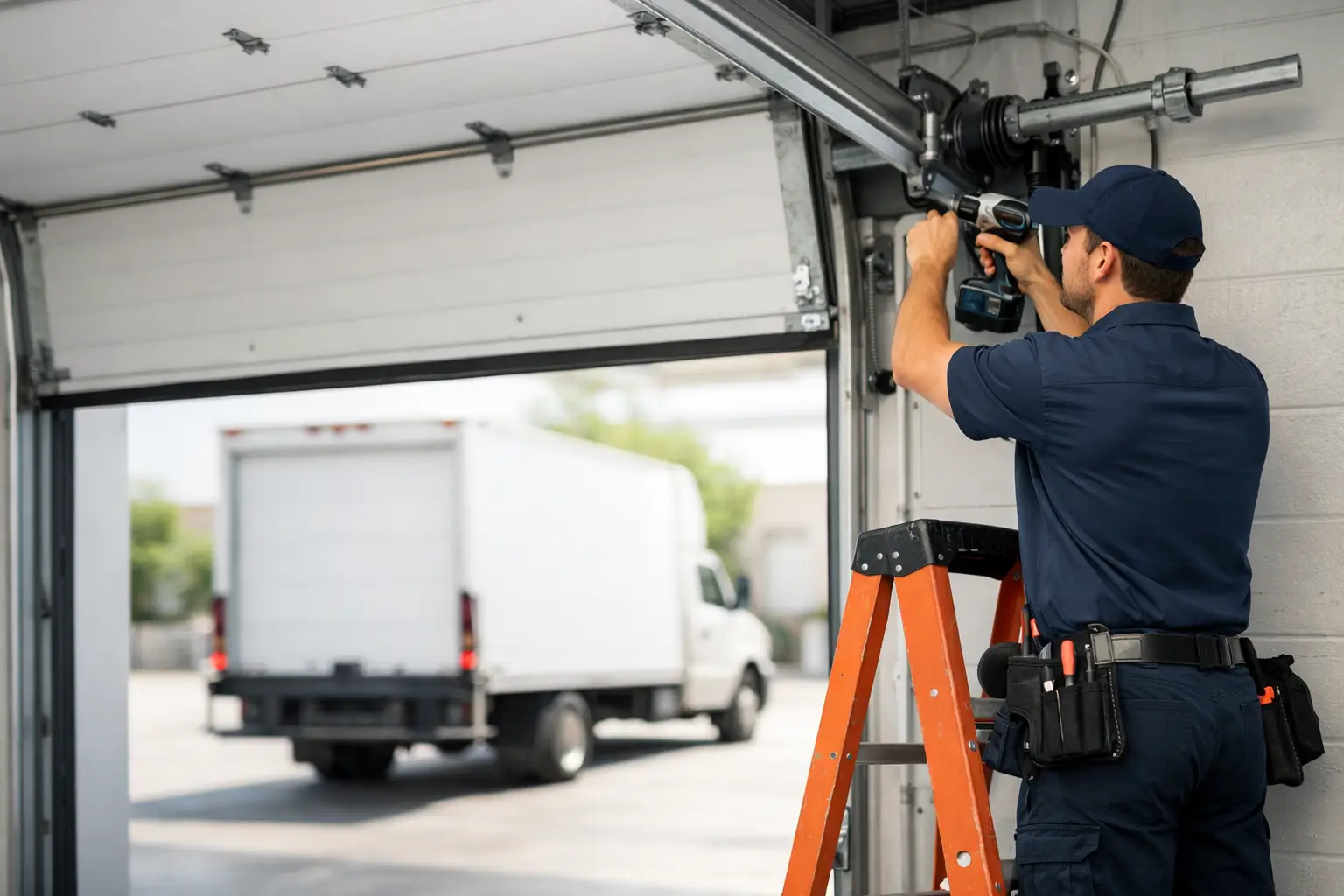
A technician can inspect the whole door, replace worn rollers and hinges, and make sure the door remains properly balanced after the work is done.
When the Opener Is the Source of the Noise
Sometimes the door itself is fine, but the opener is making a racket. Chain-drive openers are durable and common, but they are generally louder than belt-drive models. If your opener has always made a steady chain sound and the door moves smoothly, that may simply be the trade-off of the equipment.
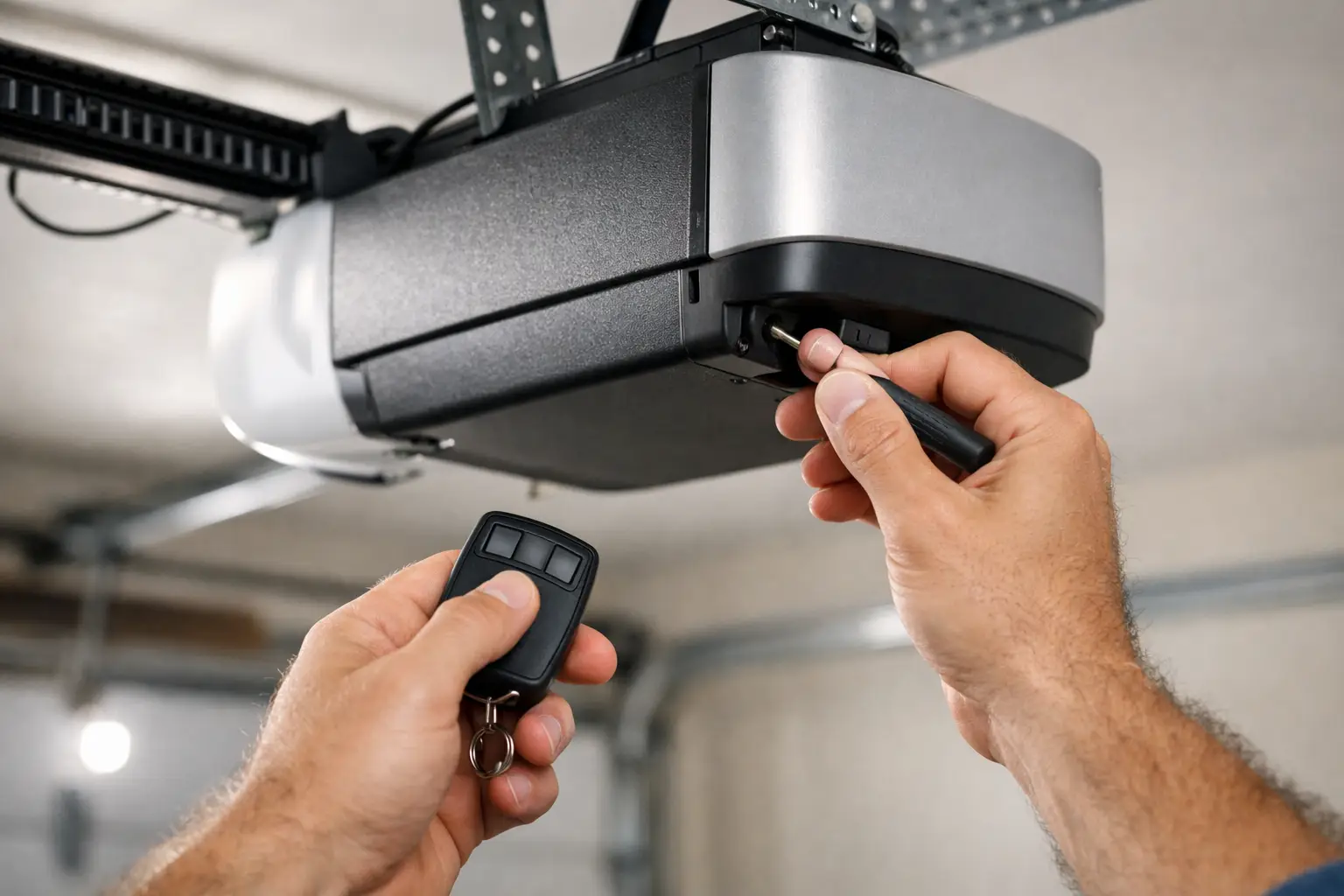
A new grinding, clicking, or straining noise is different. The opener may have a worn drive gear, loose chain, tired motor, or internal component failure. If the opener hums but the door does not move, stop pressing the remote. Repeated attempts can damage the motor or gear assembly further.
Check the opener mounting brackets as well. A loose opener can vibrate against the ceiling supports and make the entire garage sound louder than it is. Tightening accessible mounting hardware may help, but a sagging support or damaged rail needs a professional repair.
If quiet operation is a priority, especially for an attached garage near bedrooms, a belt-drive opener is often worth considering. It costs more than a basic chain-drive unit, but it runs with less vibration and noise. The right choice depends on your door weight, usage, budget, and whether the current opener is otherwise reliable.
Do Not Ignore Balance and Spring Problems
A properly balanced garage door should feel surprisingly manageable when disconnected from the opener. Testing balance is useful, but it should only be done when the door is fully closed, the opener is disconnected using the emergency release, and the door is in safe working condition.
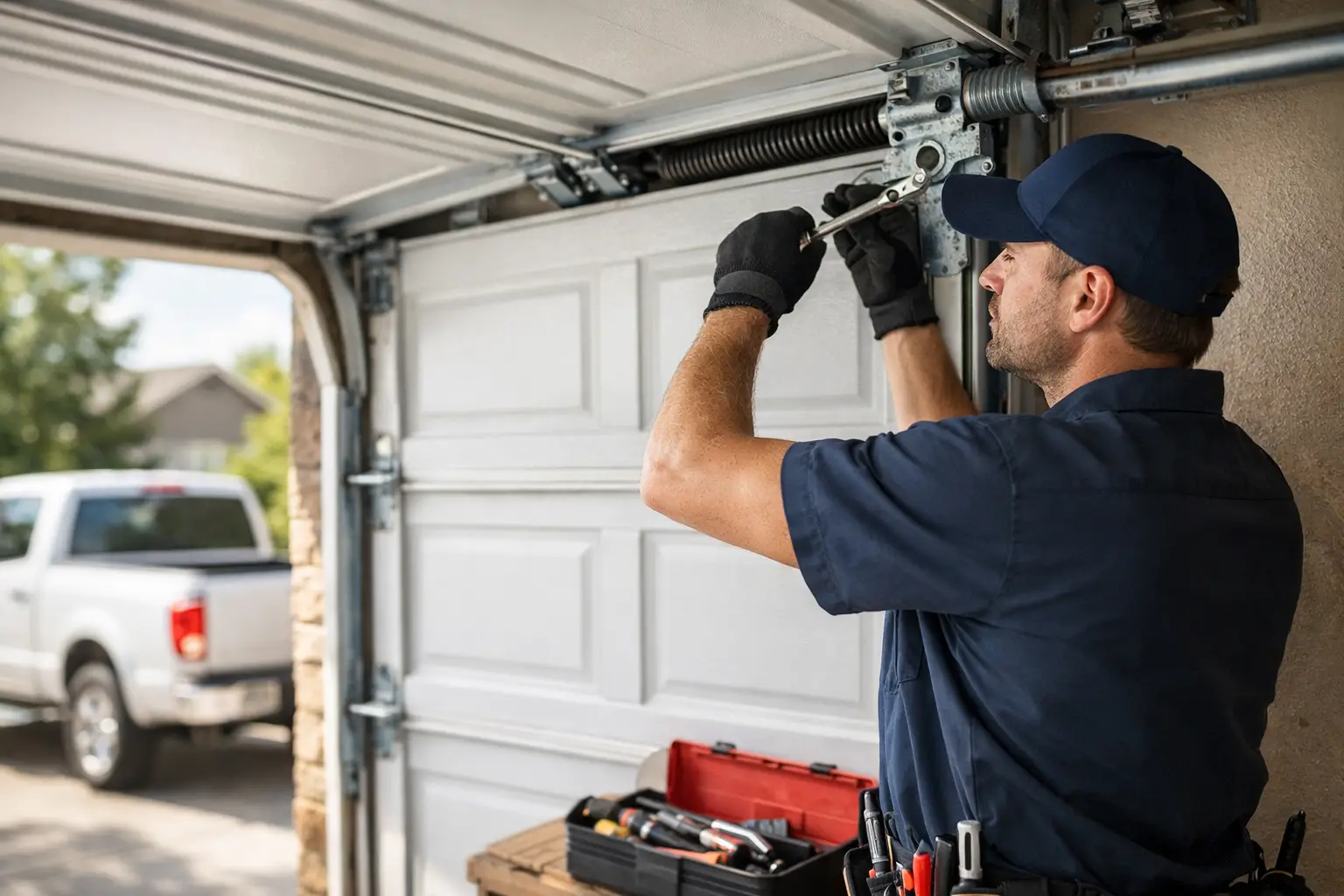
Lift the door manually to about halfway and carefully let go. It should stay roughly in place. If it crashes down, shoots upward, feels extremely heavy, or cannot be lifted comfortably, reconnect the opener and schedule service. Do not adjust a torsion spring or extension spring yourself.
Springs store enough force to lift a several-hundred-pound door. Replacing or adjusting them without the right tools and training is not a good DIY project. The same goes for frayed cables, loose drums, bent tracks, and doors that have come off track.
In Greeley, temperature swings can expose worn springs and stiff hardware fast. Cold weather can make an already weak part fail, while wind and moisture can add wear to doors that are not maintained. A noisy door is often the best opportunity to address those issues before the car is trapped inside or the garage is left unsecured.
When to Call a Garage Door Technician
Call for same-day repair if the door makes a loud bang, will not open, moves unevenly, reverses unexpectedly, shakes hard, or has a broken spring or loose cable. You should also call if basic lubrication does not reduce the sound or if the noise returns after a few days. That usually means a worn component needs replacement rather than more spray lubricant.
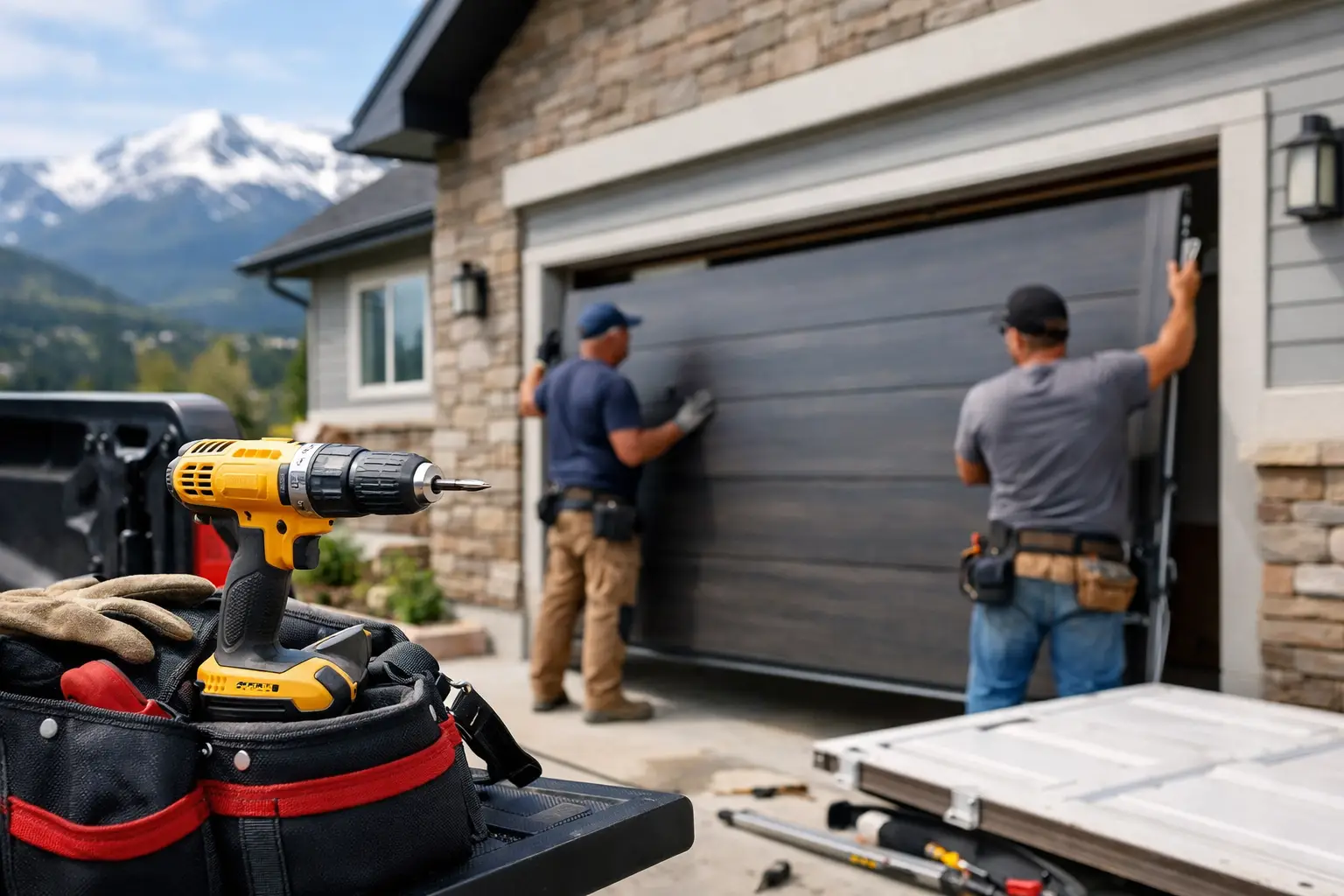
A good repair visit should include more than silencing the noise. The technician should inspect the rollers, hinges, cables, tracks, springs, bearings, opener settings, and safety sensors, then explain what is worn and provide the price before work begins. At Greeley Garage Door Repair by Mike, that means a local technician, straightforward options, and repairs backed by a lifetime workmanship warranty.
Keep the Door Quiet Before It Becomes an Emergency
A quick visual check and proper lubrication twice a year can prevent many noisy garage door issues. Listen for changes each time the door runs. A sound that begins as a minor squeak can become a damaged roller, broken hinge, or overloaded opener if it is left alone.
The quietest garage door is not necessarily brand-new. It is one that is balanced, lubricated, aligned, and repaired before worn parts have a chance to damage the rest of the system. If the sound does not make sense or the door does not feel safe, stop using it and have it checked before the next opening becomes the one that fails.