

A search for weather seal replacement garage door service usually starts with a small nuisance: a cold draft at the floor, leaves blowing in, or a strip of daylight under the door. In Northern Colorado, that small gap can turn into water damage, snow buildup, pests, and higher heating bills fast. A worn seal is not always an emergency, but it is worth fixing before the next hard rain, freeze, or windstorm finds its way into your garage.
The good news is that weather sealing is usually a straightforward repair when the door itself is in good shape. The key is figuring out which seal has failed and whether the gap is caused by the seal, the track, the concrete floor, or a door that is no longer closing evenly.
Signs Your Garage Door Weather Seal Needs Replacement
Walk into the garage during daylight and close the door fully. Light showing around the bottom or sides is the most obvious clue, but it is not the only one. You may also notice cold air near an attached wall, puddles after a storm, dust collecting along the perimeter, or insects and mice getting in where they should not.
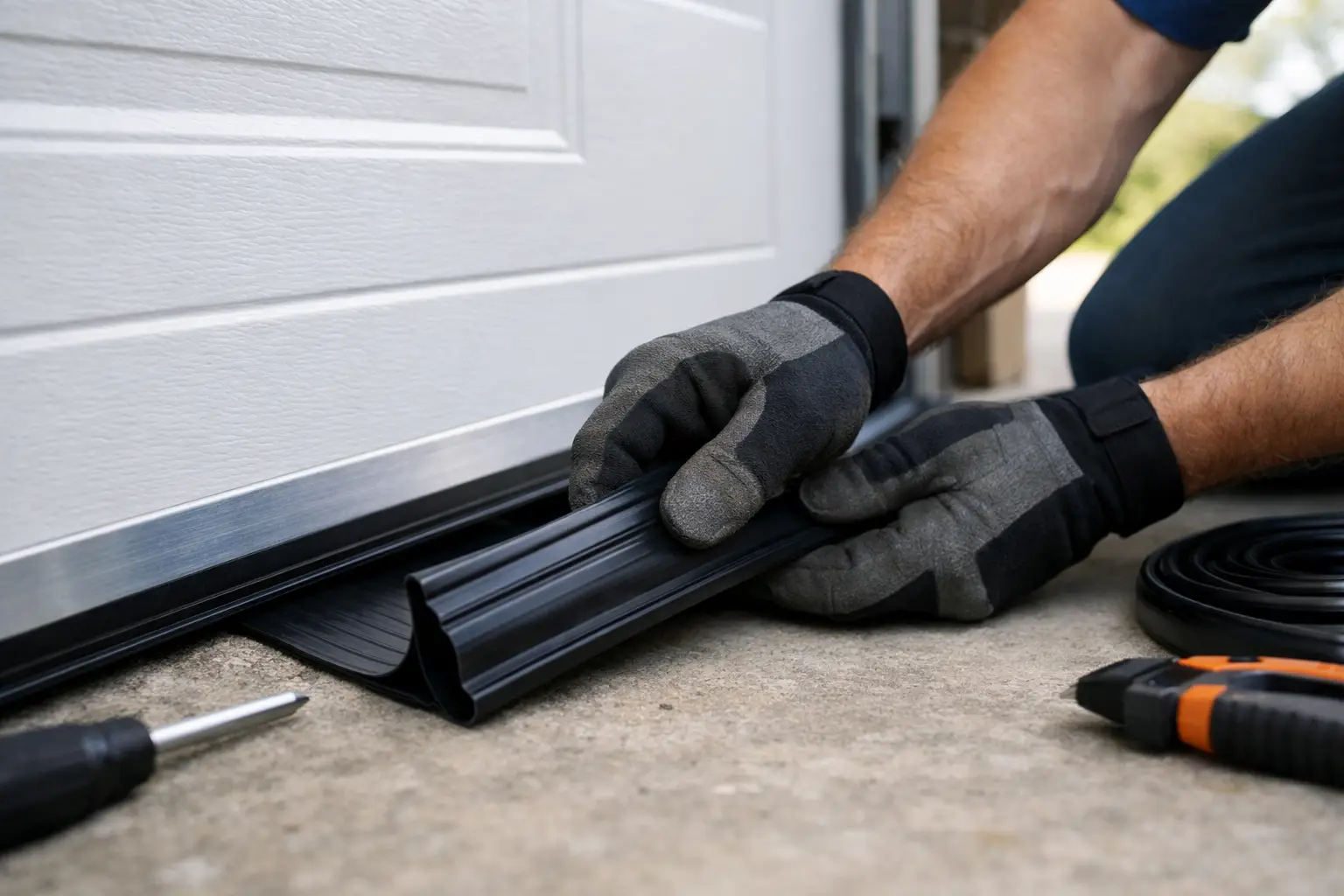
Look closely at the bottom seal. Healthy rubber or vinyl should sit flat against the concrete and flex when the door closes. If it is brittle, flattened, cracked, torn, or pulling out of its retainer, replacement is likely due. Cold Colorado winters can make older vinyl hard and prone to splitting, especially on a door that sees daily use.
Side and top weatherstripping can fail too. This trim-mounted seal should lightly contact the face of the door when it is closed. If it is crushed, missing sections, curled away from the door, or visibly letting in wind and daylight, it is no longer doing its job.
One important distinction: a new seal will not correct a door that is crooked, off track, or stopping short of the floor. If the gap is larger on one side, the door may need adjustment or repair first. Forcing a thicker seal onto an uneven door can hide the issue temporarily while putting extra strain on the opener and hardware.
What Is Included in a Weather Seal Replacement Garage Door Repair?
Most residential garage doors use more than one type of seal. The bottom seal, also called an astragal, slides into an aluminum or steel retainer along the lower edge of the door. It creates the main barrier between the door and the driveway or garage floor.
Perimeter weatherstripping is installed along the exterior sides and header above the opening. It closes the small space between the door and the jambs. Some homes also need a threshold seal on the concrete floor, particularly when the slab is uneven or water tends to run toward the garage.
A proper repair starts with checking the door’s closing position, rollers, tracks, and bottom retainer. The old material is removed, the retainer is cleaned, and the correct seal profile is fitted to the door. This matters because bottom seals are not one-size-fits-all. T-style, bulb-style, bead-end, and U-shaped seals fit different retainers, and using the wrong one can leave a gap or cause the seal to pull free.
For a steel residential door, replacing a damaged bottom seal can be a simple service call. If the retainer is bent, corroded, or damaged, replacing that component may be the better long-term fix. On wood doors, the seal may be fastened directly to the bottom edge, which calls for a different approach.
When a New Seal Is Enough and When It Is Not
If the garage door closes level, runs smoothly, and has only minor gaps, fresh weatherstripping is often all you need. It is a practical repair that helps keep the garage cleaner, quieter, and more comfortable.
But water entering under one corner can point to a floor issue rather than a failed bottom seal. Concrete settles over time, leaving low spots that allow rain or melting snow to move under the door. A threshold seal may help redirect water, but drainage outside the garage should also be considered. If water is pooling against the door, gutters, grading, or driveway slope may need attention.
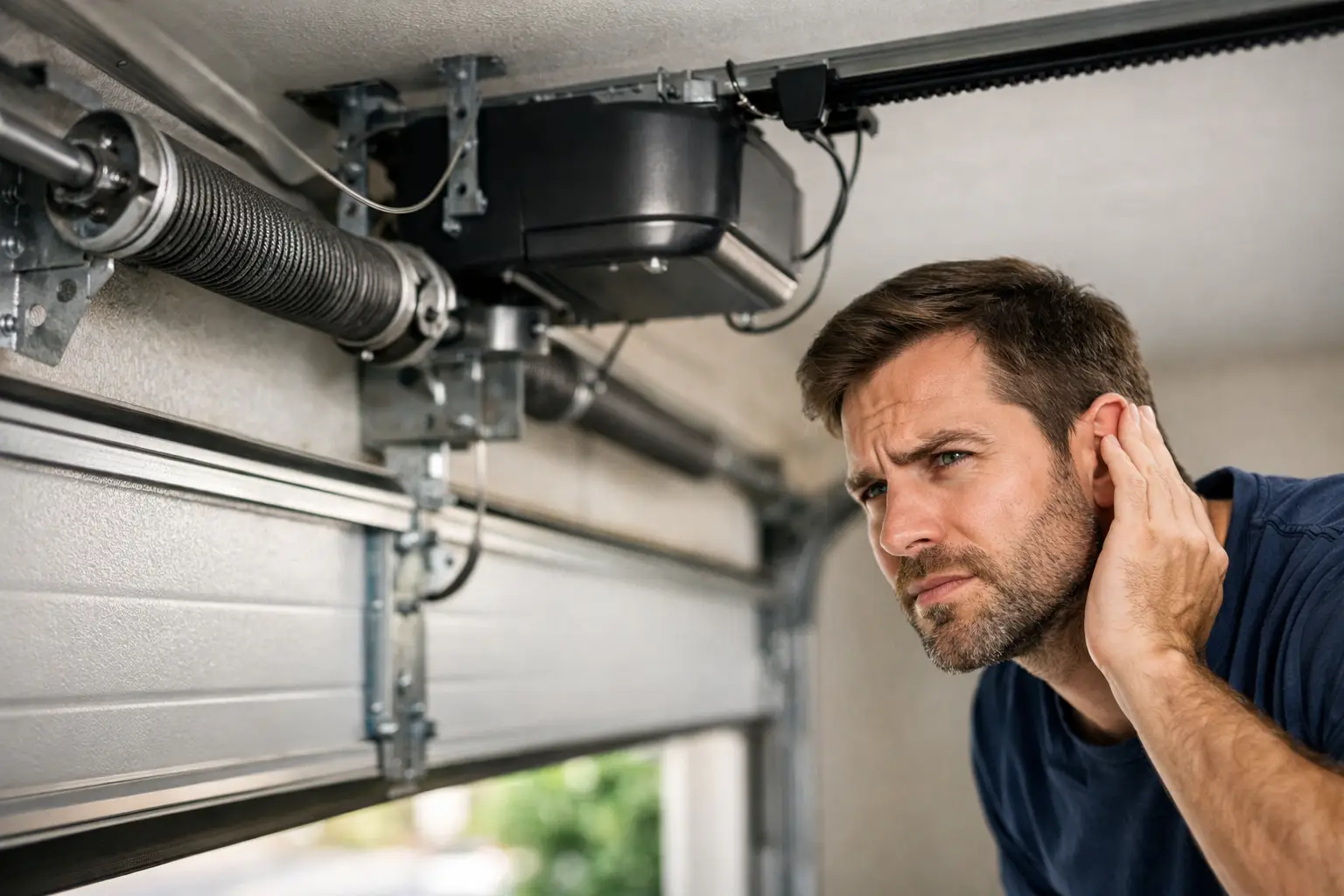
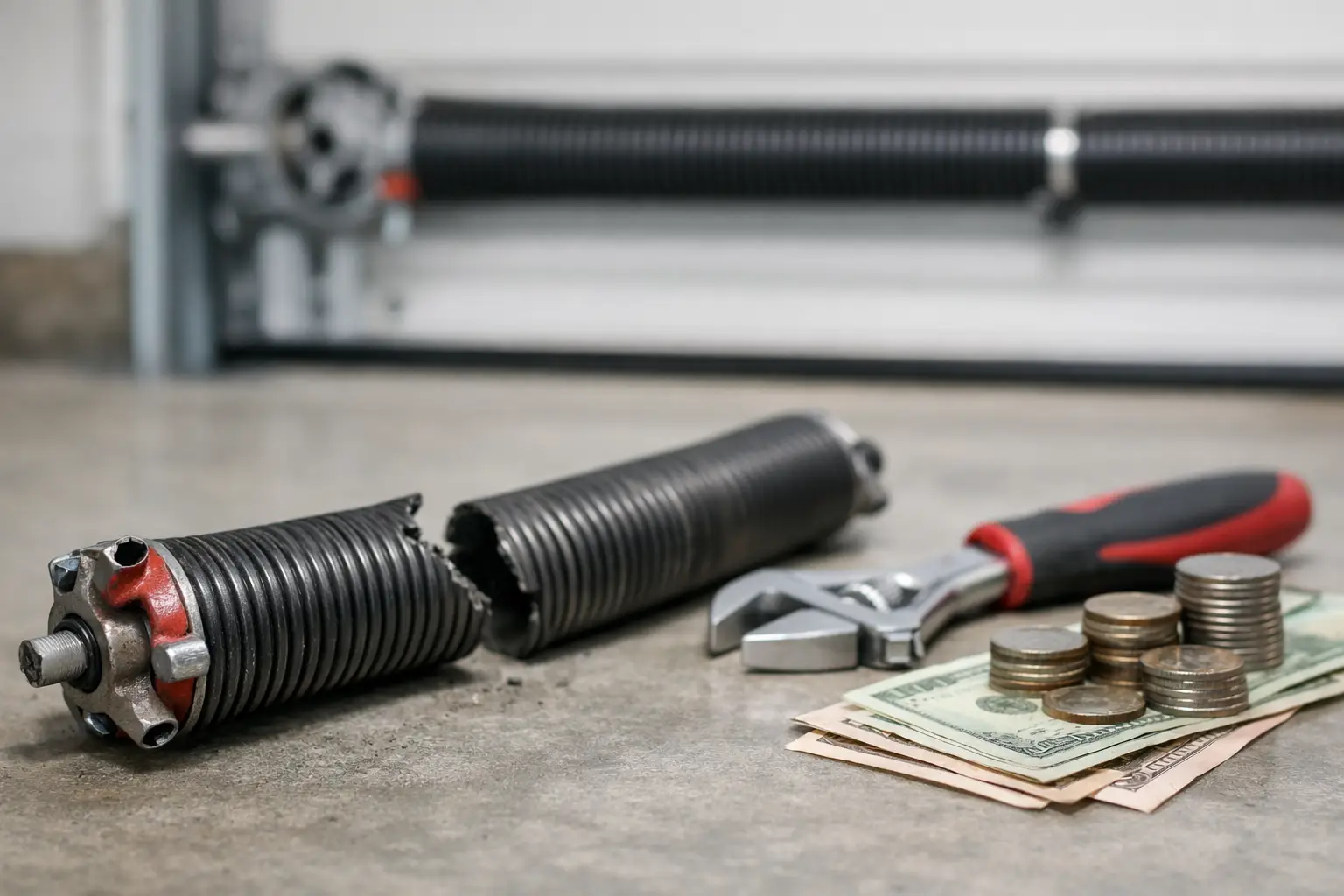
A gap that changes from day to day can be a door operation problem. Worn rollers, loose cables, damaged tracks, or a weak spring system can affect how the door sits at the floor. Those repairs should come first. Garage door springs and cables carry high tension and are not safe for DIY adjustment.
For attached garages, insulation deserves a realistic look as well. New weather seals reduce drafts, but they do not make an uninsulated door perform like an insulated one. If the garage shares walls with bedrooms, a living space, or a home office, an insulated door and complete perimeter sealing can make a noticeable difference in comfort.
Typical Weather Seal Replacement Costs
The final price depends on the door width, seal type, condition of the retainer, and whether the door needs adjustments. For many standard single- or double-car garage doors, a professional bottom seal replacement commonly costs around $100 to $250. Replacing exterior side and top weatherstripping may run roughly $150 to $350, depending on the opening and materials.
A complete sealing job with a new bottom seal, perimeter trim, threshold work, or retainer replacement can cost more. Commercial overhead doors also vary widely because openings are larger and may use heavier-duty components.
The lowest material price is not always the best value. A seal that does not match the retainer, is cut too short, or is installed without addressing an uneven closing issue can fail early. Ask for an upfront price that explains what is being replaced and whether any door adjustment is recommended. That is more useful than a vague quote that leaves parts and labor unclear.
Can You Replace a Garage Door Weather Seal Yourself?
Many homeowners can replace a bottom seal themselves if the door is operating properly and the retainer is undamaged. The work is easier with a helper because a long seal can snag or twist while being fed through the track. The garage door should remain closed and secured while you work.
Before buying material, measure the door width and inspect the retainer profile. Do not assume a universal seal will fit. A common DIY mistake is buying a seal by width alone, then discovering the bead or T-end is wrong for the channel.
Side and top weatherstripping is also manageable for a handy homeowner, but placement matters. It should touch the door without pressing so hard that it creates excessive resistance. Over-tight weatherstripping can make an opener work harder and cause the door to bind.
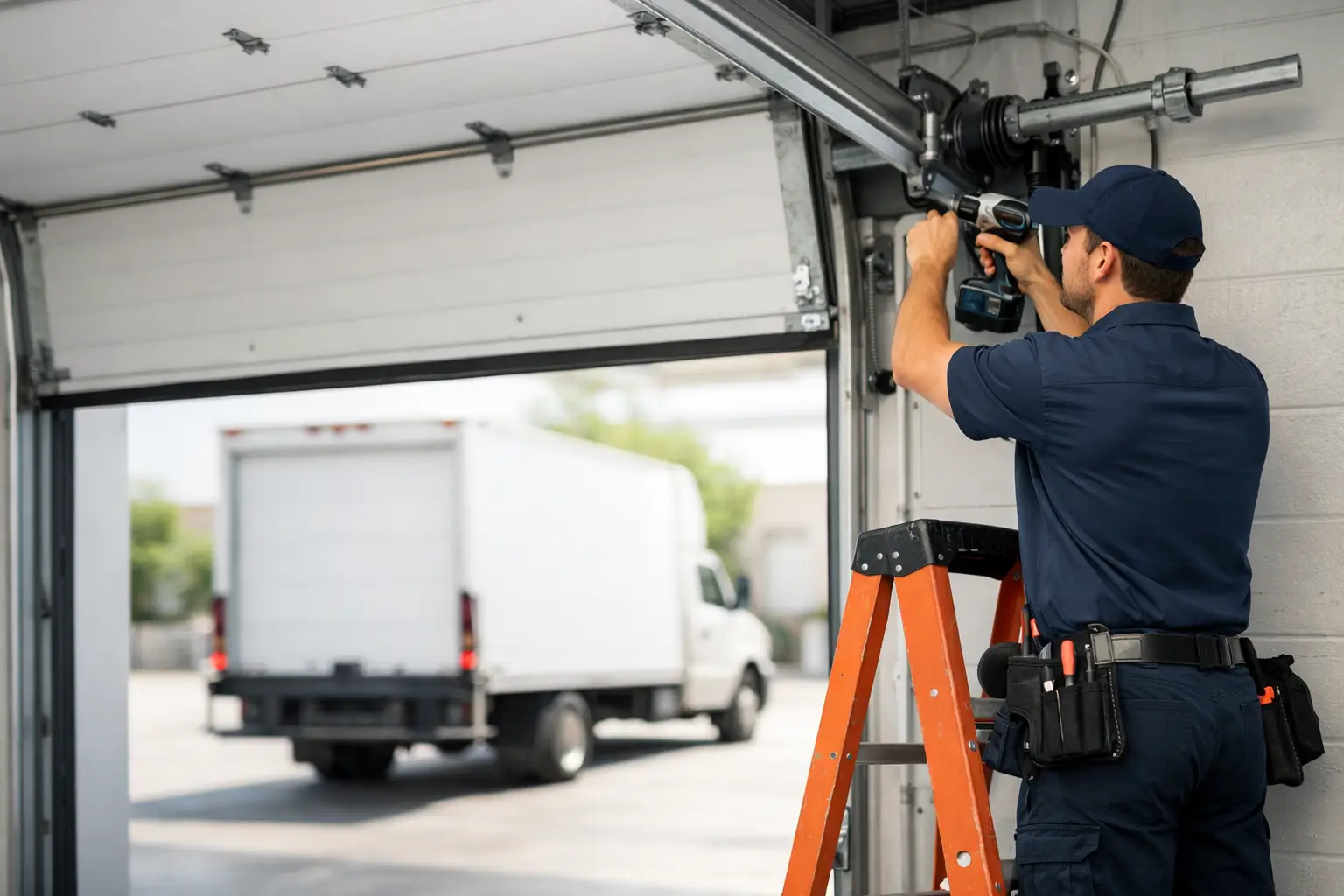
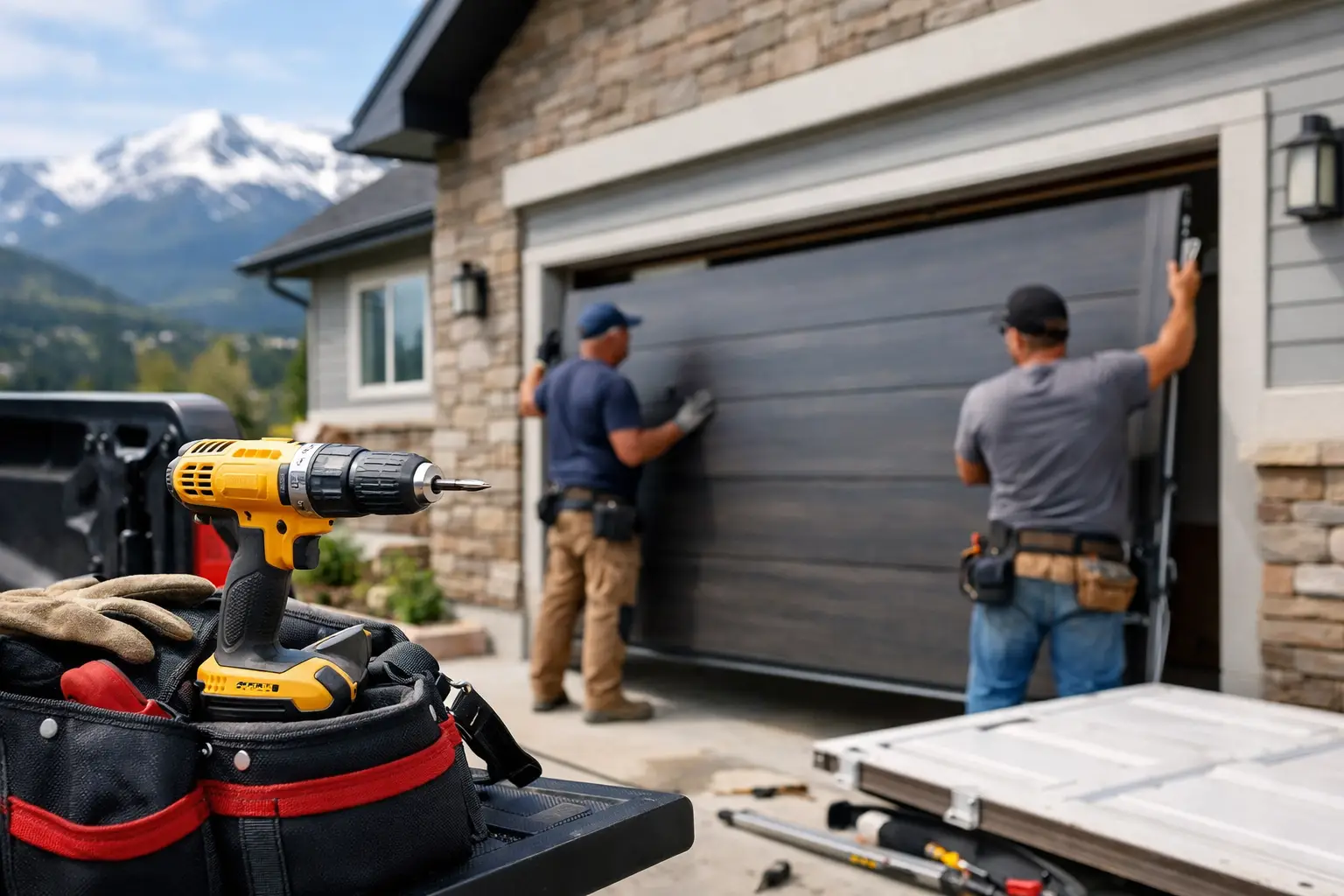
Call a professional instead if the door is heavy to move, slams shut, reverses unexpectedly, has a visible cable issue, or leaves a large uneven gap. Those are door-system problems, not just seal problems. Greeley Garage Door Repair by Mike can inspect the full setup, explain the repair clearly, and handle the work without turning a simple weather seal job into an unnecessary upsell.
Choosing the Right Seal for Northern Colorado Weather
Vinyl seals are common and affordable, but they can stiffen in prolonged cold. Flexible rubber or EPDM-style material generally handles temperature swings better and may be a better choice for garages exposed to winter wind and direct sun. The right material depends on your door, retainer, budget, and how exposed the opening is.
For homes in Greeley, Evans, Windsor, and Ault, wind-driven dust and snow are often as frustrating as rain. A bottom seal with a wider contact surface can help on a slightly imperfect floor, while a threshold may be worthwhile where melting snow regularly reaches the door. It depends on the condition of the concrete and where the water is coming from.
Do not wait until a storm is pushing water under the door to inspect the seals. Close the door, look for daylight, and run your hand near the edges on a windy day. Catching a worn seal early is a small repair that helps protect the garage, the items stored inside it, and the comfort of the rooms next to it.