
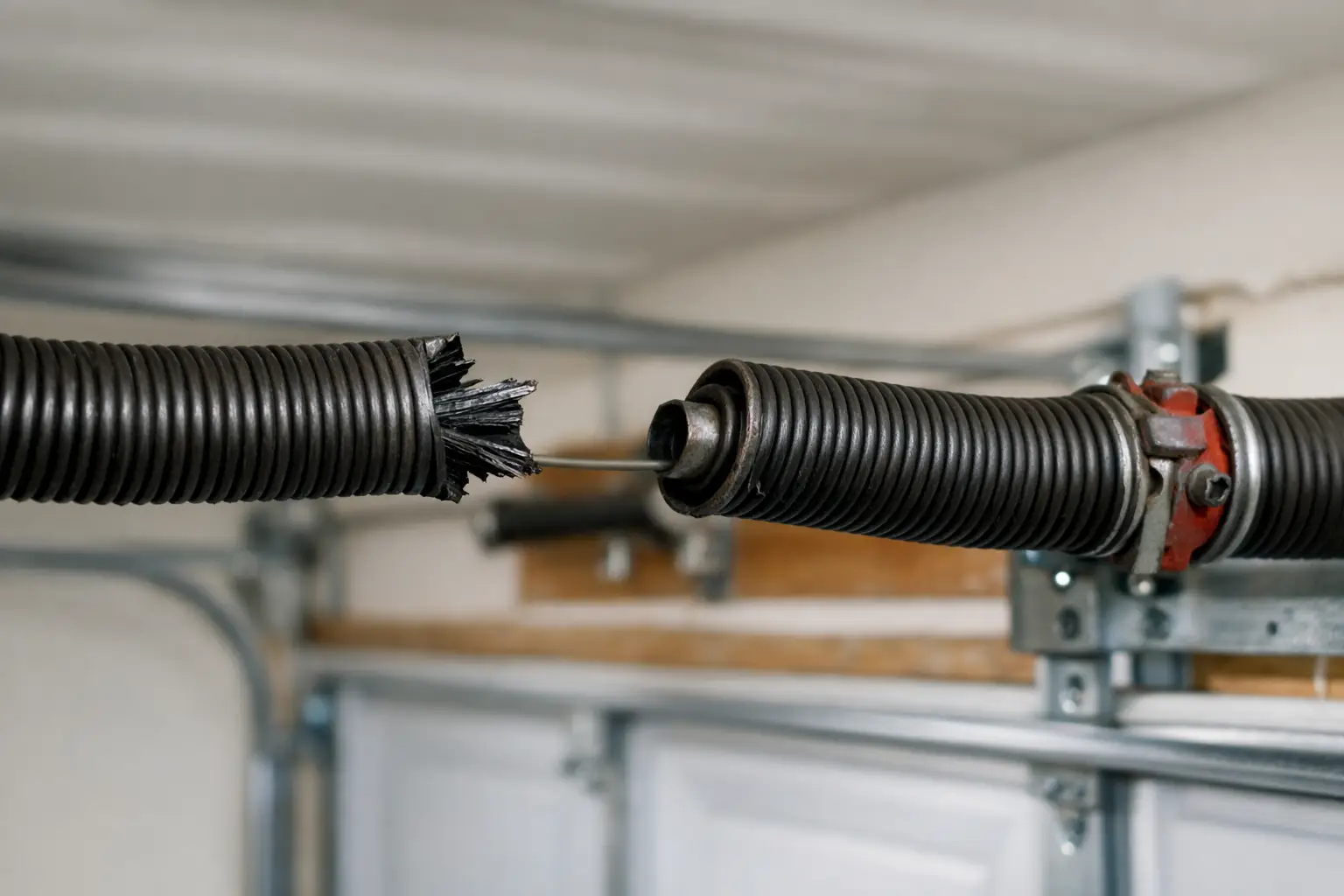
One loud bang from the garage can sound like something hit the house. Then you try the door, and suddenly it feels heavy, crooked, or won't move at all. If you're asking why did my garage spring snap, the short answer is that springs wear out under tension, but the real reason usually comes down to age, rust, cold weather, poor balance, or using the wrong spring for the door.
A broken spring is one of the most common garage door problems homeowners deal with, and it almost always shows up at the worst time - when you're late for work, trying to get the kids out the door, or coming home to a garage that won't close. The good news is that spring failure is usually explainable. The better news is that once you know what caused it, you can make smarter choices about repair and maintenance going forward.
Why did my garage spring snap all of a sudden?
Most people say the spring snapped "all of a sudden," but in reality, the failure was building for months or years. Garage door springs open and close under extreme tension every time you use the door. That repeated strain slowly weakens the metal until one day it reaches its limit.
If your spring broke without much warning, age is the first thing to consider. Standard torsion springs are rated for a limited number of cycles. One cycle is one full opening and closing of the door. If your household uses the garage as the main entrance, those cycles add up fast. A spring that might last many years in one home can wear out much sooner in another.
Weather also plays a role. In Northern Colorado, temperature swings can be hard on metal parts. Cold weather doesn't automatically break a healthy spring, but it can make a worn spring more brittle and more likely to fail. That's why some homeowners notice a break during a cold morning after the spring was already near the end of its life.
The most common reasons a garage spring breaks
Normal wear and tear
This is the big one. Springs are consumable parts. They are built to work hard, not to last forever. If your garage door has been opening and closing multiple times a day for years, a snapped spring may simply mean it reached the end of its service life.
That can feel frustrating, but it doesn't always mean something was wrong with the rest of the system. Sometimes the spring did exactly what springs do after enough use.
Rust and corrosion
Rust shortens spring life more than many homeowners realize. When rust forms on the coils, it increases friction during movement and slowly eats away at the metal. That combination weakens the spring and puts extra stress on each cycle.
Garages that deal with moisture, snowmelt from vehicles, or poor ventilation may see this sooner. If your spring looked rough, flaky, or orange before it broke, corrosion likely helped cause the failure.
Poor door balance
A garage door should be properly balanced so the springs carry the load evenly. If the door is too heavy for the spring setup, or if one side is pulling harder than the other, the springs wear out faster.
This is one reason spring replacement is not just about swapping in a similar-looking part. The spring has to match the door's size, weight, and use pattern. A spring that is undersized or improperly adjusted may work for a while, but it will usually fail early.
Wrong spring type or poor past repair
Not every previous repair is done right. We've seen doors with the wrong springs installed, mismatched pairs, or low-cycle parts used on high-use doors. Those shortcuts can save money upfront, but they usually cost more later when the spring breaks early or causes strain on the opener.
If the spring failed sooner than expected, there is a good chance the original spring was not the right fit for the door.
Lack of maintenance
Garage doors don't need constant attention, but they do need occasional service. A neglected system can create extra wear on the springs. Dry bearings, worn rollers, loose hardware, and track issues all affect how smoothly the door moves. When the door doesn't move cleanly, the spring has to work harder.
Maintenance won't make a spring last forever, but it can help the whole system run with less stress.
Signs your garage spring was about to snap
Some springs fail with almost no obvious warning. Others give clues first. If you notice the door getting heavier, moving unevenly, jerking during operation, or making louder than normal noises, the spring may already be weakening.
You might also see gaps in the torsion spring, stretched extension springs, or the opener struggling to lift the door. Another common sign is a door that only opens a few inches and stops. In many cases, the opener is fine - it's the broken spring that removed the lifting support.
If your garage door suddenly slams shut or won't stay in place when partially open, stop using it until it's inspected. That kind of movement can be dangerous.
Can I still open the door if the spring broke?
Maybe, but that doesn't mean you should.
A garage door with a broken spring becomes extremely heavy because the spring is what offsets most of the door's weight. On a double door, that can mean hundreds of pounds. Trying to force it open with the opener can burn out the motor, damage the rail, or bend other parts. Trying to lift it by hand can cause injury or make the door come down fast.
If your car is trapped inside, people are often tempted to muscle the door open. That decision depends on the door size, the spring setup, and whether the door is stable on the tracks. In many cases, the safest move is to leave it alone and call for repair.
Why a snapped spring is not a DIY job
This is one of those repairs where confidence can get people hurt. Garage springs are under serious tension, and removing or winding them the wrong way can lead to sudden release of force. Even handy homeowners who are comfortable with tools often underestimate the risk.
Spring repair also requires more than just installing a new part. The technician needs to identify the correct spring size, inspect cables and drums, check door balance, and test the opener after the repair. If any of those steps are skipped, the new spring may wear out early or the door may still operate unsafely.
That is why this job is best left to a trained garage door pro with the right tools and parts on the truck.
What happens during professional spring replacement?
A proper spring replacement starts with confirming exactly what failed and whether other components were affected. On some doors, a broken spring also puts stress on cables, bearings, rollers, or the opener. Replacing the spring without checking the rest of the system can leave another problem behind.
Once the correct spring is selected, the old hardware is removed safely, the new spring is installed and wound to the right tension, and the door is tested for smooth, balanced travel. If the door is properly set up, it should open evenly, close cleanly, and put less strain on the opener.
For homeowners in Greeley and nearby communities, fast service matters because a broken spring can leave the home unsecured or the vehicle stuck inside. That's why local same-day response makes a real difference on this kind of call.
How to help your next garage spring last longer
You can't stop spring wear completely, but you can avoid some common causes of early failure. Annual service helps catch rust, imbalance, and worn moving parts before they turn into a full breakdown. If your door gets used heavily, higher-cycle springs may also be worth asking about.
It's also smart to pay attention to small changes. A noisy door, slower movement, or an opener that sounds strained may not seem urgent, but those are often the early signs that the system is under stress. Taking care of the issue early is usually cheaper than dealing with an emergency later.
If you're replacing an older spring, this is also a good time to make sure the door was sized correctly in the first place. A properly matched spring system gives you better performance and longer life.
When to call right away
If the spring has already snapped, the door is crooked, the cables are loose, or the opener is straining, don't keep testing it. Shut off the opener if needed, keep people clear of the door, and get it inspected.
At Greeley Garage Door Repair by Mike, this is the kind of problem we handle every day - clear pricing, fast response, and repairs done right without the runaround. When a spring breaks, you don't need a sales pitch. You need someone who can get the door safe again and explain exactly what happened.
A snapped spring usually isn't random bad luck. It's your garage door system telling you a hard-working part finally wore out or was under more stress than it should have been. Once you know the cause, the next step gets a lot simpler.